Crossing Paths: What Are the Boating Right of Way Rules?
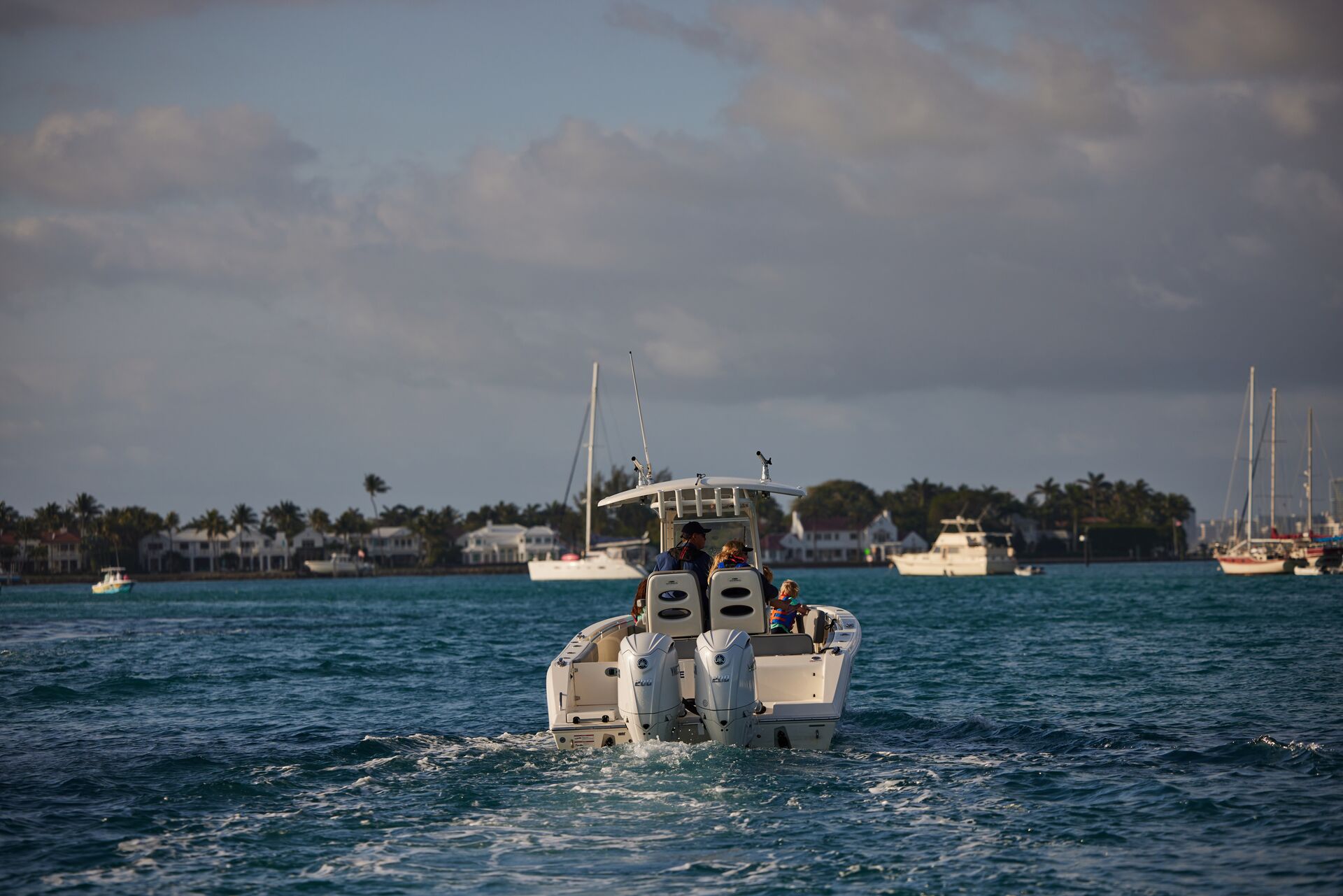
Keeping yourself and others safe on the water is crucial for a great boating season. Understanding boating right of way rules and using them every time you take your vessel out can help you reach your destination safely and efficiently.
Here's what to consider when you're learning about navigation and right-of-way so you can do your part to reduce boating accidents and improve your experience on the water.
What Are the Specific Boating Right of Way Rules on the Water?
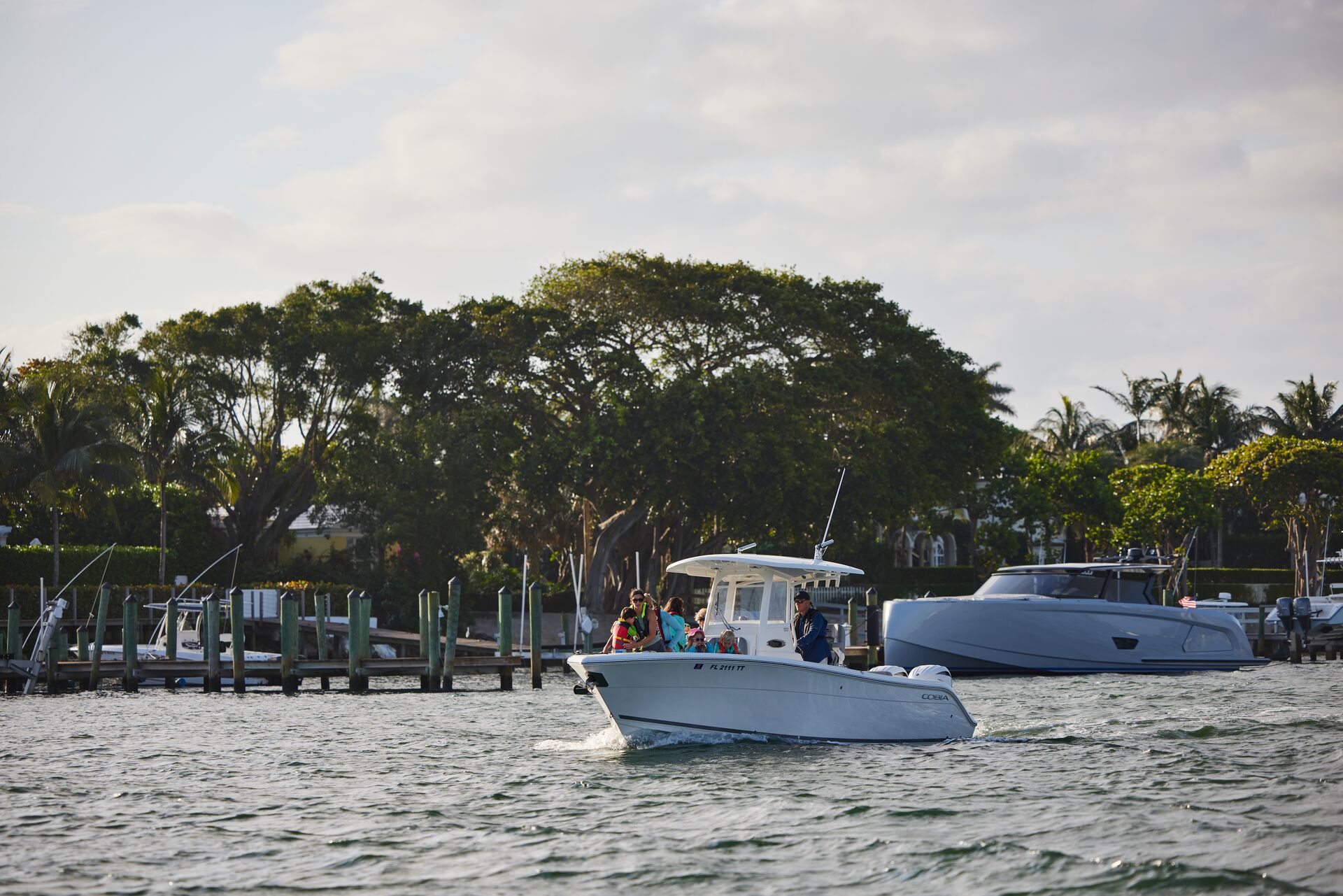
The rules for boating right of way are designed to ensure safety by preventing collisions and establishing predictable patterns for boat traffic. The International Regulations for Preventing Collisions at Sea (COLREGS) govern boating right of way rules, which apply to all boats, including commercial, recreational, sail, and power-driven vessels.
Let's explore how boating right of way rules apply to various situations.
Head-On Encounters
When two boats approach each other head-on, both vessels should alter their course to starboard (right) to pass port-to-port. If you're in doubt about the other vessel's intentions, you should sound the appropriate horn signals or slow down.
Crossing Situations
The vessel with a boat on its starboard (right) side is the give-way vessel, and the vessel with another boat on its port (left) side is called the stand-on vessel. If possible, avoid crossing ahead of another vessel.
Overtaking
According to boat passing rules, the overtaking vessel is always the give-way vessel. The boat being overtaken is the stand-on vessel, and that vessel should always maintain its course and speed.
Power vs Sail
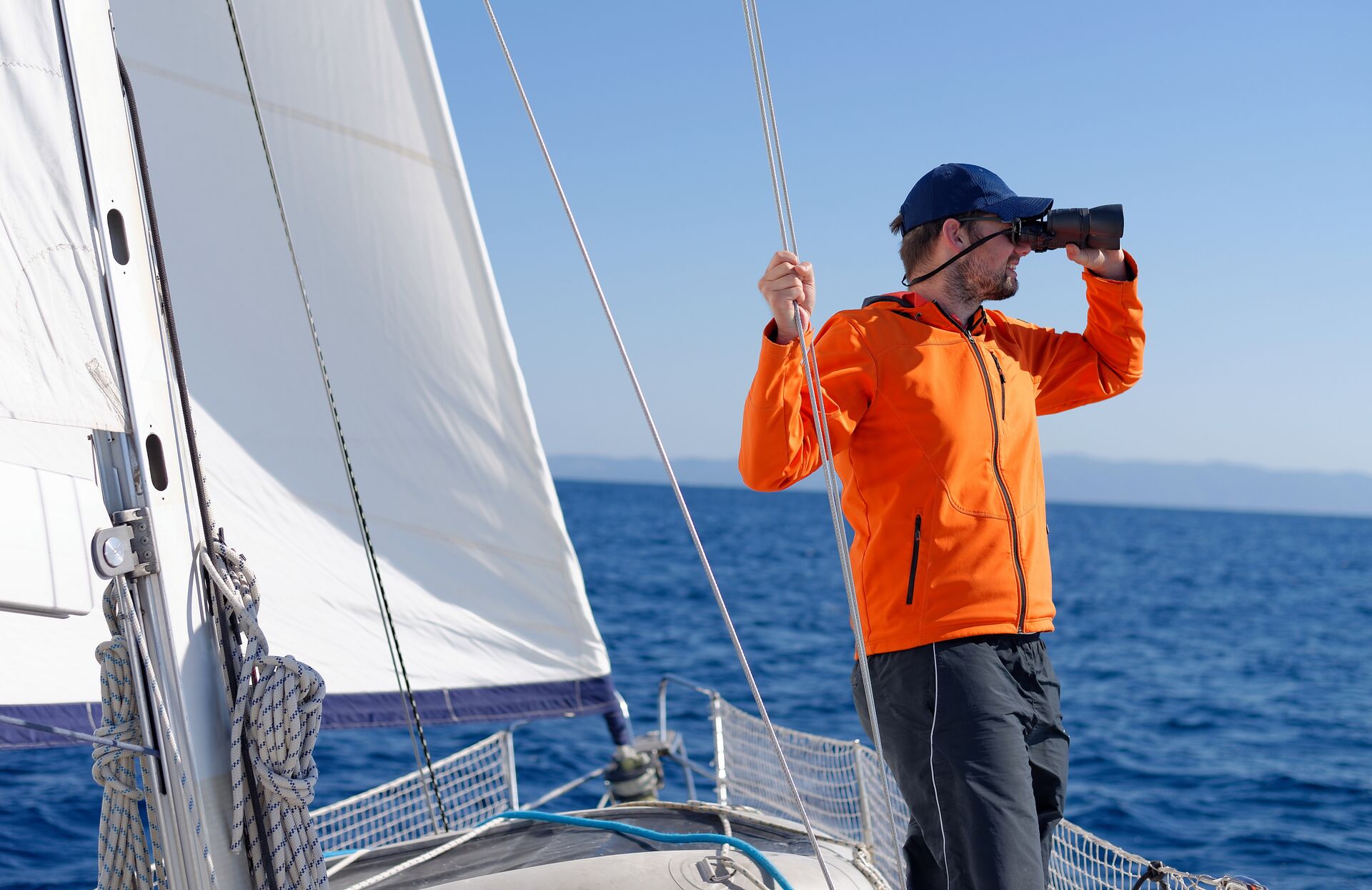
Sailboats under sail alone generally have the right of way over power-driven vessels. However, if your sailboat is using an engine—even if your sails are up—it's considered a power-driven vessel.
Vessels in Channels
All vessels should keep to the starboard side of a narrow channel. If you're in a smaller or recreational boat, it's essential to ensure you don't impede larger vessels that are constrained by draft.
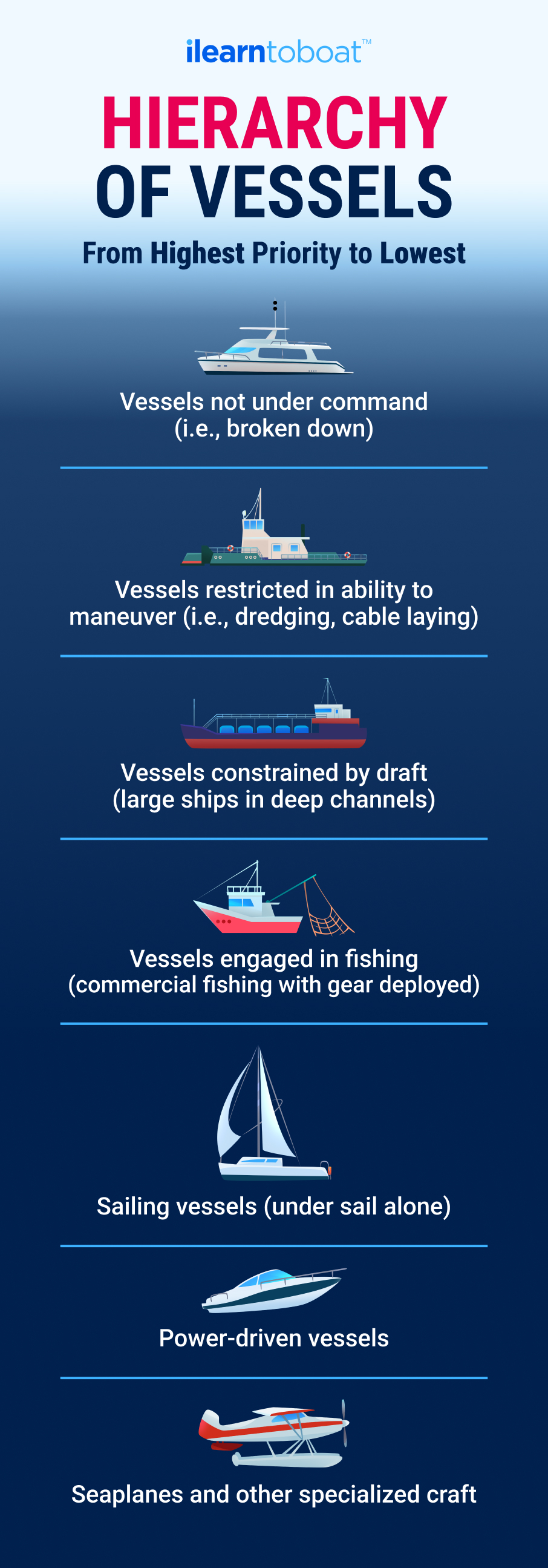
Vessel Pecking Order (Hierarchy of Vessels)
Boating right of way rules have a hierarchy based on vessel type.
From highest priority (most restricted) to lowest, this is:
- Vessels not under command (e.g., broken down).
- Vessels restricted in their ability to maneuver (e.g., dredging, cable laying)
- Vessels constrained by draft (large ships in deep channels)
- Vessels engaged in fishing (commercial fishing with gear deployed)
- Sailing vessels (under sail alone)
- Power-driven vessels
- Seaplanes and other specialized craft
Here's how the rules affect different types of boats.
Vessels Not Under Command
If you can't maneuver due to a breakdown, loss of steering, or other issues, you have the highest right of way, since you're not able to move out of the way to avoid other vessels.
Vessels Restricted in Ability to Maneuver
If you're performing an activity such as dredging, cable laying, or buoy servicing, other vessels need to keep clear, as you don't have the freedom to change course.
Vessels Engaged in Commercial Fishing
Any vessel actively using gear, such as nets, lines, or trawls, has priority over sailing and power-driven vessels. Keep in mind that sport fishing boats are considered regular power-driven vessels.
Sailboats
Power-Driven Vessels
These are the lowest on the pecking order (except seaplanes) and are required to give way to vessels of higher priority, both when crossing or overtaking.
Overtaking Vessel
Regardless of your vessel type, the overtaking boat is always the give-way vessel. If you're overtaking, it's your responsibility to pass safely without causing a risk of collision.
Who Is Responsible for Avoiding a Collision Between Two Boats?
Both vessels share responsibility for collision avoidance.
The give-way vessel must take early, decisive action. The stand-on vessel should maintain its course and speed, but it also needs to take action to avoid a collision if the give-way vessel fails to maneuver out of the way.
How to Avoid a Collision: Boating Rules of the Road
To avoid boating accidents, follow COLREGS and navigation rules that accompany buoys and markers. Slow down, change course early, and communicate your intentions to the other boaters around you.
When in doubt, give way, even if you're following boating right of way rules and another vessel is not.
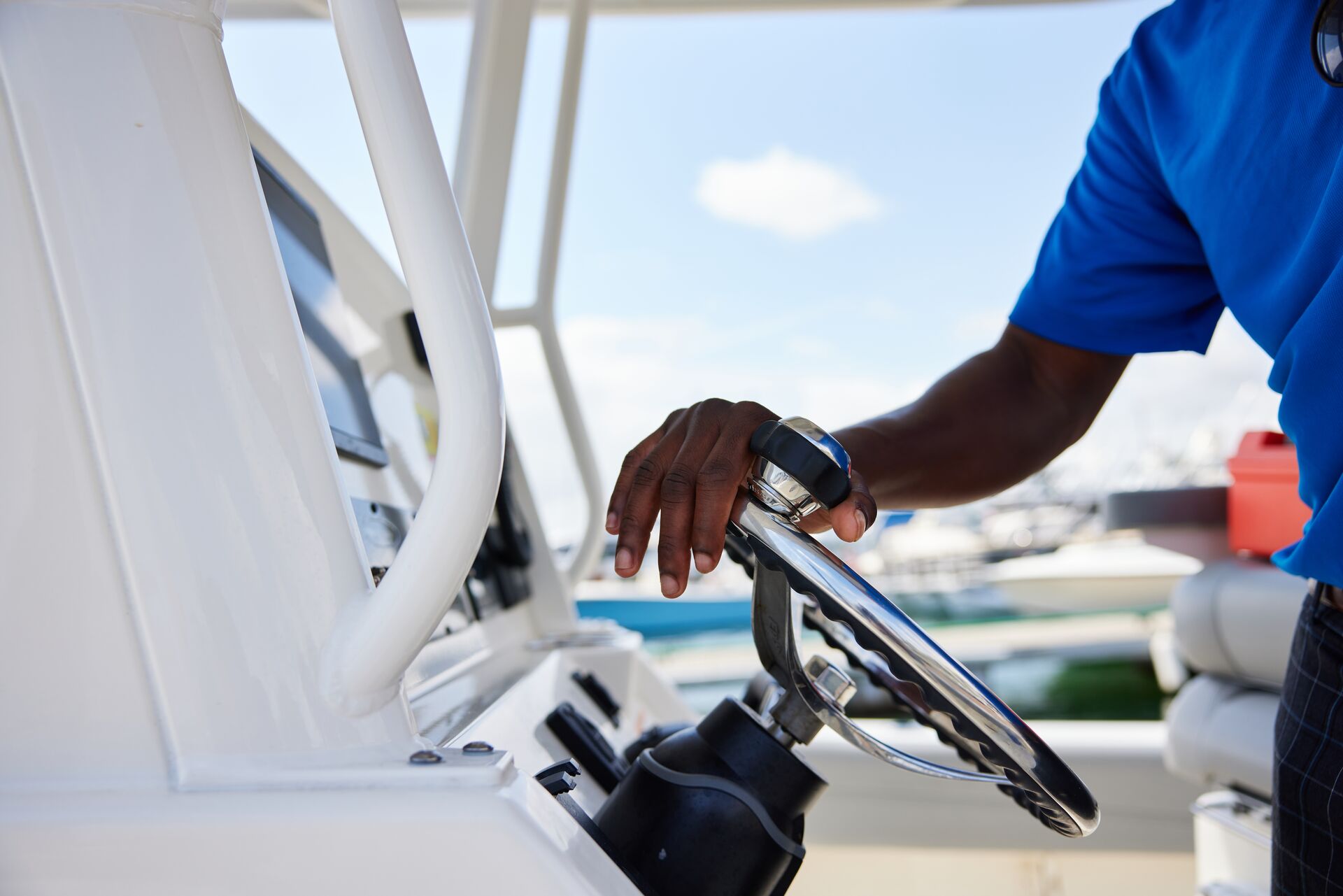
Remember to maintain a proper lookout and safe speed to reduce collision risk and avoid other vessels.
Stand-On vs Give-Way Vessel
The stand-on vessel maintains its course and speed, and the give-way vessel must take action to avoid a collision. However, the stand-on vessel must act if the give-way vessel does not maneuver out of the way.
Safety Is Crucial
Rules are vital for structure, but avoiding danger should always come first where boating right-of-way is concerned. No matter what's happening around you, every vessel operator should take the necessary action to prevent a collision.
Being "right" doesn't matter if it leads to an accident.
Using Navigation Lights at Night
Your boat's lights help others understand your vessel type, direction, and status. The boating rules of the road require specific lights, including:
- Red (port) and green (starboard) sidelights
- A white sternlight visible from behind
- Masthead light(s) on power-driven vessels
Proper vessel navigation lights help others see if your vessel is overtaking, crossing, or approaching head-on so they can maneuver accordingly.
Learn the Boating Rules of the Road With a Boater Education Course
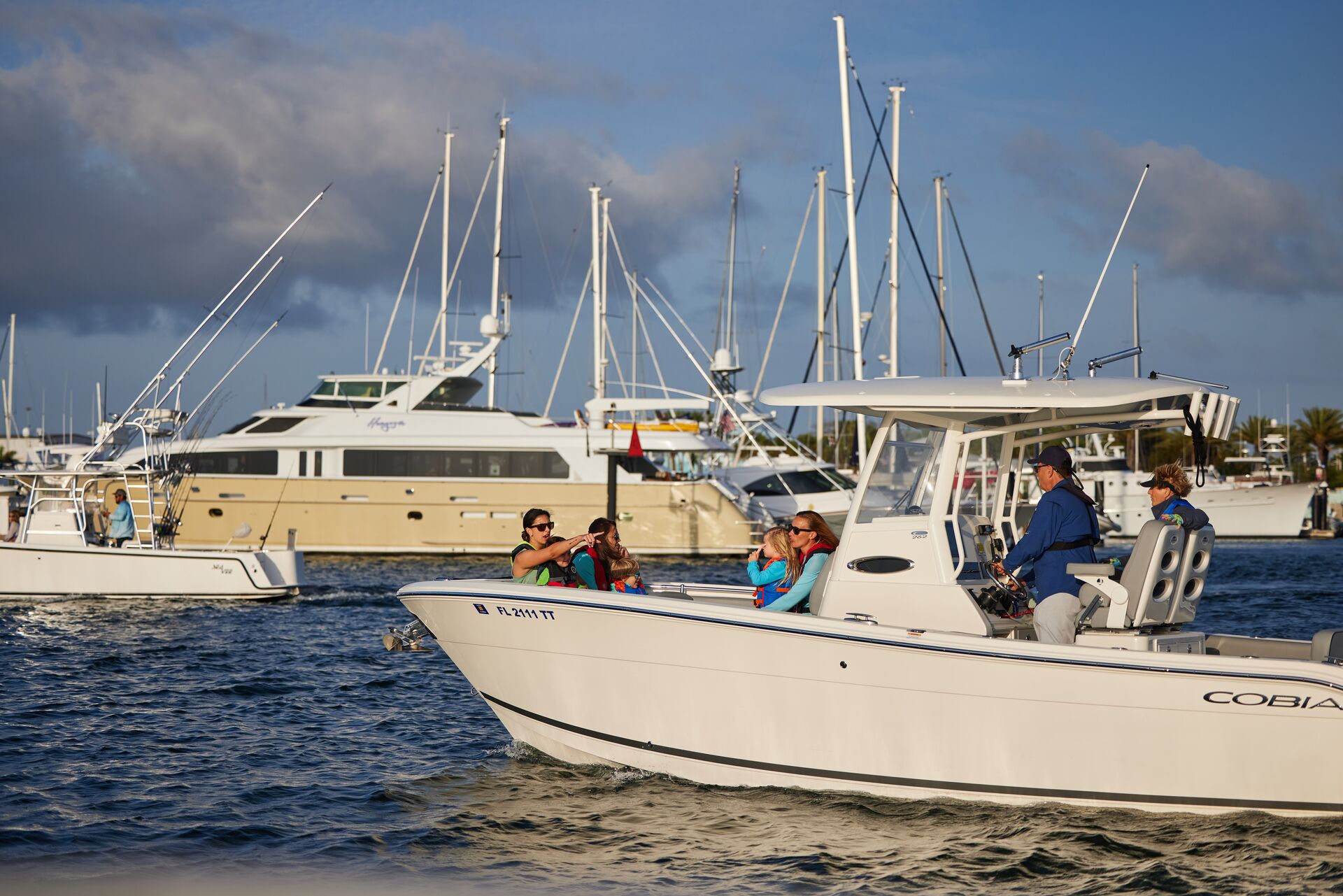
The boating rules of the road are crucial for maintaining safe conditions on the water. Following these rules helps you navigate safely while avoiding collisions (and injuries) when operating a vessel on the waterways.
To learn more about boating rules, navigation, etiquette, emergencies, and more, take a boater education course through ilearntoboat! You'll learn vital information to help you boat safely and with confidence.
Plus, most states require boat operators to take a boater safety course and carry a safety certification (or license). ilearntoboat is an easy, fast, and fun way to do that!
Take the boater education course for your state, then boat safely and legally in your area.
Frequently Asked Questions (FAQs)
We have answers to your questions about boating right of way rules.
Q: Who has the right of way when boating?
A: The “stand-on” vessel (the one that keeps its course and speed) has the right of way. The “give-way” vessel must take early action to avoid a collision.
Q: Which way do you yield in a boat?
A: When two powerboats meet head-on, both should steer to the right (starboard) to pass safely.
Q: When boating, which side do you pass on?
A: Normally, passing is port-to-port (left side to left side). If passing on the starboard side (right), signal your intention clearly.
Q: Do bigger boats have the right of way?
A: Not automatically. But less maneuverable vessels (like large ships, tugboats with tows, or sailboats under sail) usually have the right of way over smaller, more maneuverable boats.
Q: When one boat is overtaking another, which boat must give way?
A: The overtaking vessel (the one coming from behind) must give way and pass safely on either side.
Take the boater education course for your state, then boat safely and legally in your area.