Boat Fires: What to Do if It Happens to You

Boat fires demand immediate action. They can quickly lead to devastating consequences. Fumes can easily get trapped in a boat; this, combined with a fuel source, makes boat fires very dangerous very quickly.
Do you know what to do if a fire breaks out on your boat? Do you have the right safety equipment and fire extinguishers to act quickly and save your boat and passengers?
Today, we talk about what to do if boat fires happen on board so you can respond appropriately.
What Causes a Boat Fire?
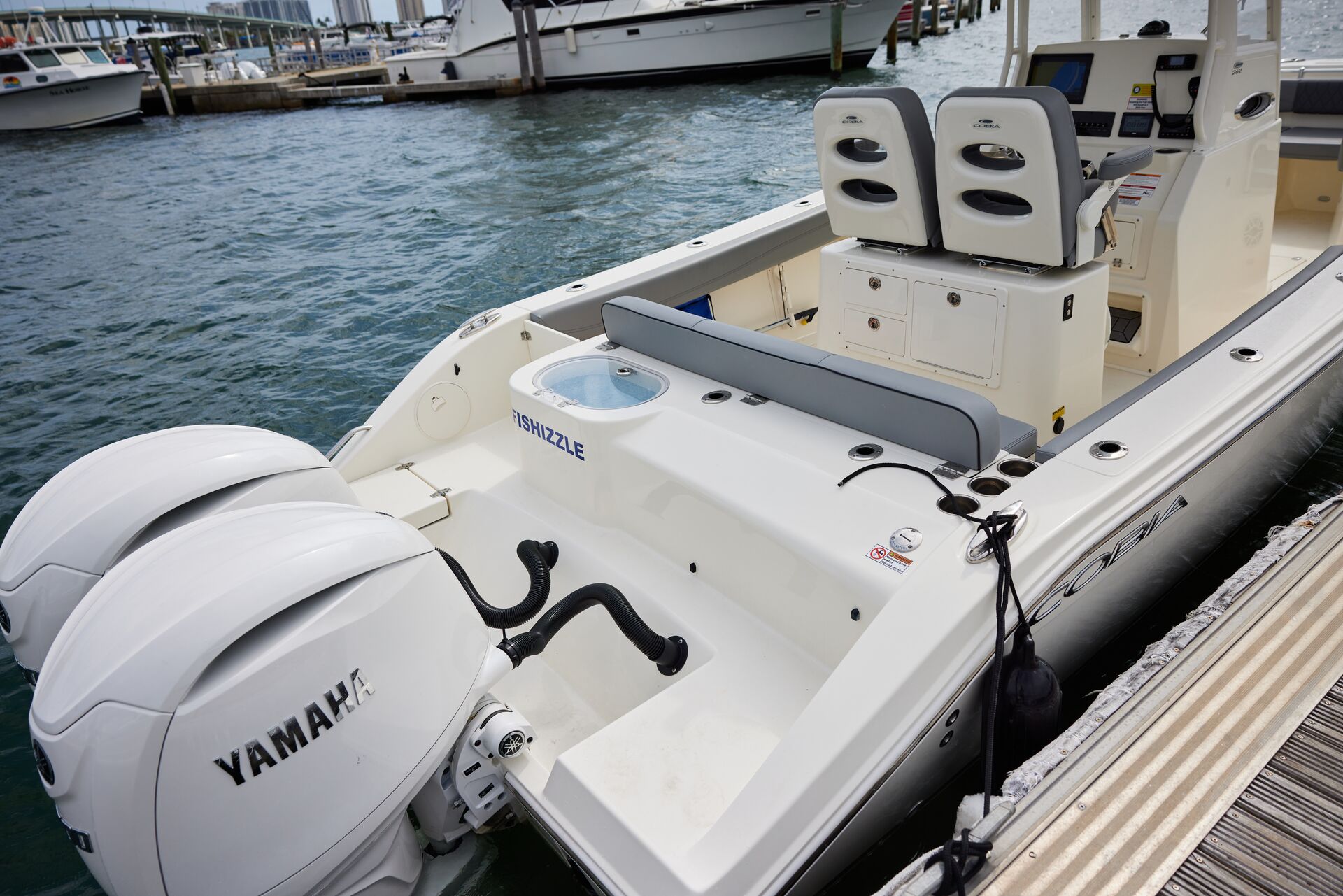
Non-motorized boats are at a lower risk of catching fire than boats with motors. There are no gas or electrical components that could spark or combust and lead to flames.
However, when operating a motorized vessel, there are plenty of opportunities for a fire to happen on board — especially if you have a kitchen (or galley) on your boat.
The primary causes of boat fires include:
- Electrical fires
- Engine fires
- Galley fires
Understanding how to operate and maintain the type of engine on your boat is one way to prevent engine fires. Keeping an eye on your boat's electrical components and wiring can also help you avoid a fire from crossed or frayed wiring.
If your boat has a galley, make sure you and anyone who prepares food in it knows how to do so safely. A galley fire can quickly overtake the enclosed space and get out of control.
While boat insurance can help you repair or replace your vessel and recover afterward, you need to know how to respond if a fire happens onboard.
How to Respond to a Marine Fire
Let's cover what to do if you experience a fire on your watercraft. As the boat operator, you must take the lead and act quickly to curb the fire and save lives.
If a fire starts while you are on board a boat:
- Immediately stop the engine.
- Position the boat so that the wind blows the fire away from the boat. This will help minimize its spread and smoke inhalation.
- Shut off the gas to the engine and disconnect the gas tank, if possible. Remove any additional fuel sources.
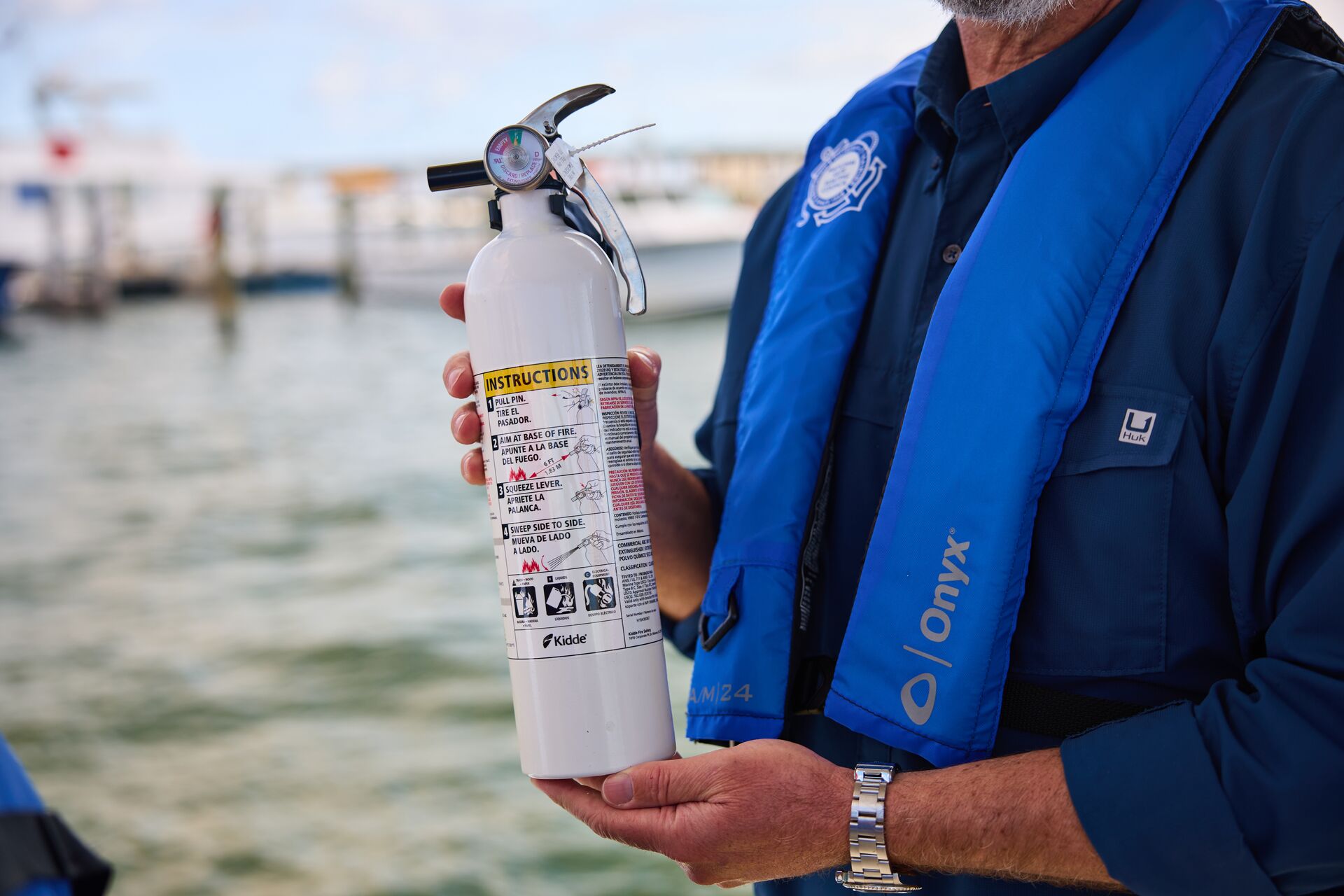
- Use your marine-rated fire extinguisher.
- Aim for the base of the fire.
- Pull the pin and squeeze the two levers together to engage the extinguisher.
- Continue using it until the fire is completely extinguished.
If your boat adventure includes friends or family on board, make sure they also know what to do if a fire happens. Show them where you've placed the fire extinguishers and walk through the steps above so everyone knows how to stay calm and respond appropriately to prevent extensive damages or injuries.
After a fire, if your boat is still in working order, return to the dock and assess the damage. If you're unable to return under the boat's power, call for help — especially if there are any injuries on board.
Learn More About Boat Safety and Responding to Emergencies With ilearntoboat
Boat fires can be serious and dangerous occurrences. While we hope it never happens to you, keep the tips above in mind just in case. It's better to be prepared to deal with a fire quickly than to assume it won't (or can't) happen to you.
Boat operators must know how to respond quickly and appropriately when emergencies happen on the water. A boat fire isn't the only thing that can go wrong. So, to be prepared for other emergencies, take a boating education course to learn more about preventing incidents or responding when something goes wrong.
The right response can save lives — and ilearntoboat is here to help. Our state-approved courses are a fun way to learn boating safety essentials. Plus, the gamified format makes it fast and enjoyable, with many people completing the course in about three hours.
So, before you head out onto the open waters again, make sure you're prepared with the safety information you need! Take the course for your state and learn how to protect yourself and others on the water.
First published in 2021. Content most recently reviewed and updated for accuracy and relevancy October 25, 2024.