Inflatable PFDs [What They Are and How to Use Them]

Wearing a life jacket is one of the best ways to stay safe when boating. Life jackets (or personal flotation devices) save lives — but only when worn.
It's also crucial to wear the right type of personal flotation device (or PFD) based on the activity you participate in while on the water. You'll need a different type of PFD when calmly cruising on waters near shore vs. riding a personal watercraft or waterskiing behind a boat.
When is the right time to wear inflatable PFDs? Keep reading to learn about inflatable life jackets, how they work, and when they're ideal for your boating or water fun.
What is an Inflatable PFD?
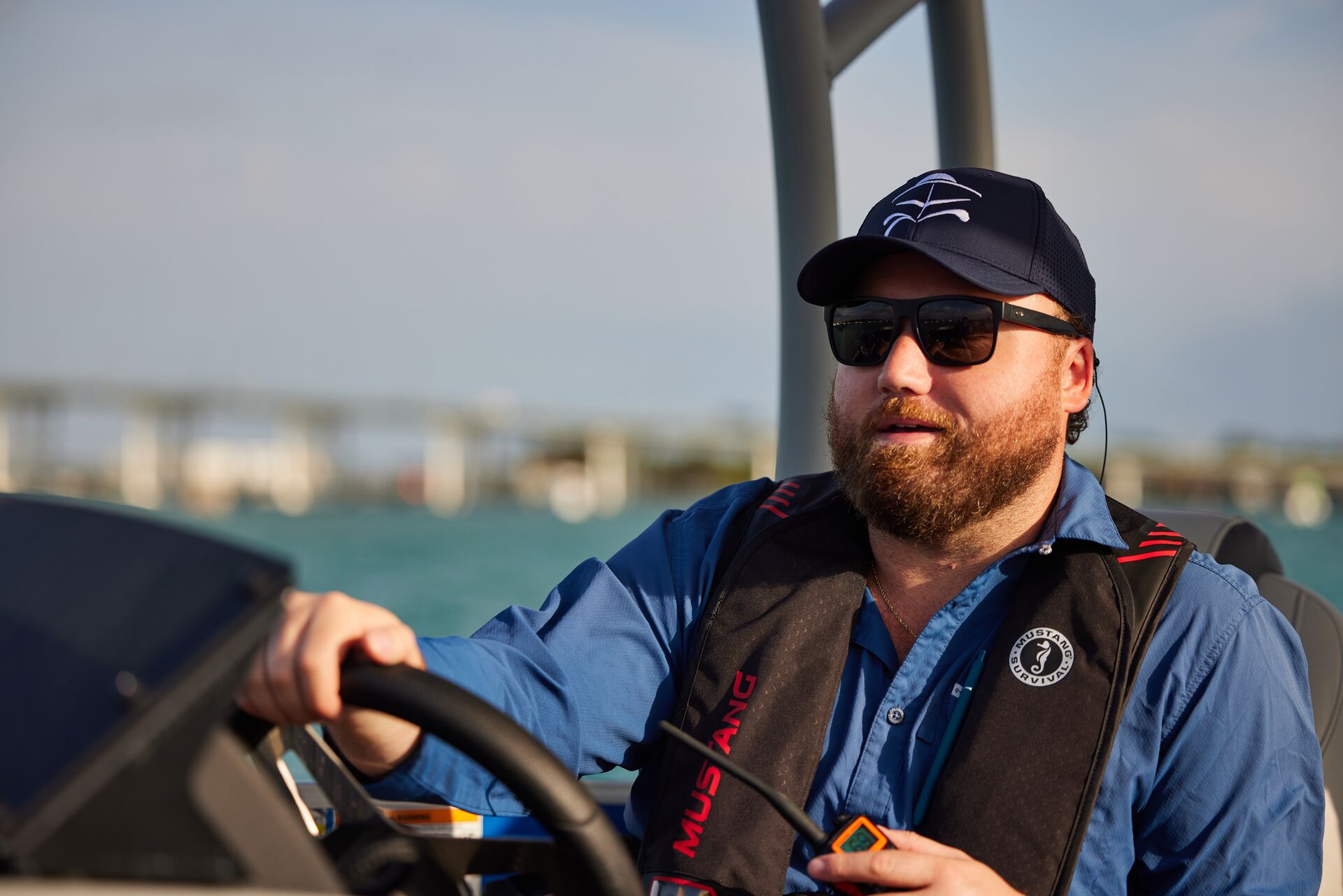
These types of PFDs come in Types I, II, III, and V. Type IV, also known as the throwable type, is the only type that does not come in an inflatable form.
Inflatable PFDs are not as buoyant as other types and may not float unless inflated. For this reason, inflatable life jackets are not authorized for use by anyone under the age of 16 or recommended for those who can't swim.
When to Use an Inflatable PFD
Inflatable PFDs should be avoided for use during high-impact activities. If a day on the water involves waterskiing, tubing, operating a PWC (personal watercraft), or white-water rafting, choose another type of PFD that's more likely to keep you afloat if you need it.
However, inflatable jackets are lighter and often more comfortable to wear, making them a popular choice for boaters engaged in light activity on the water. They can be the ideal option for a calm day on the lake!
How to Use Inflatable PFDs
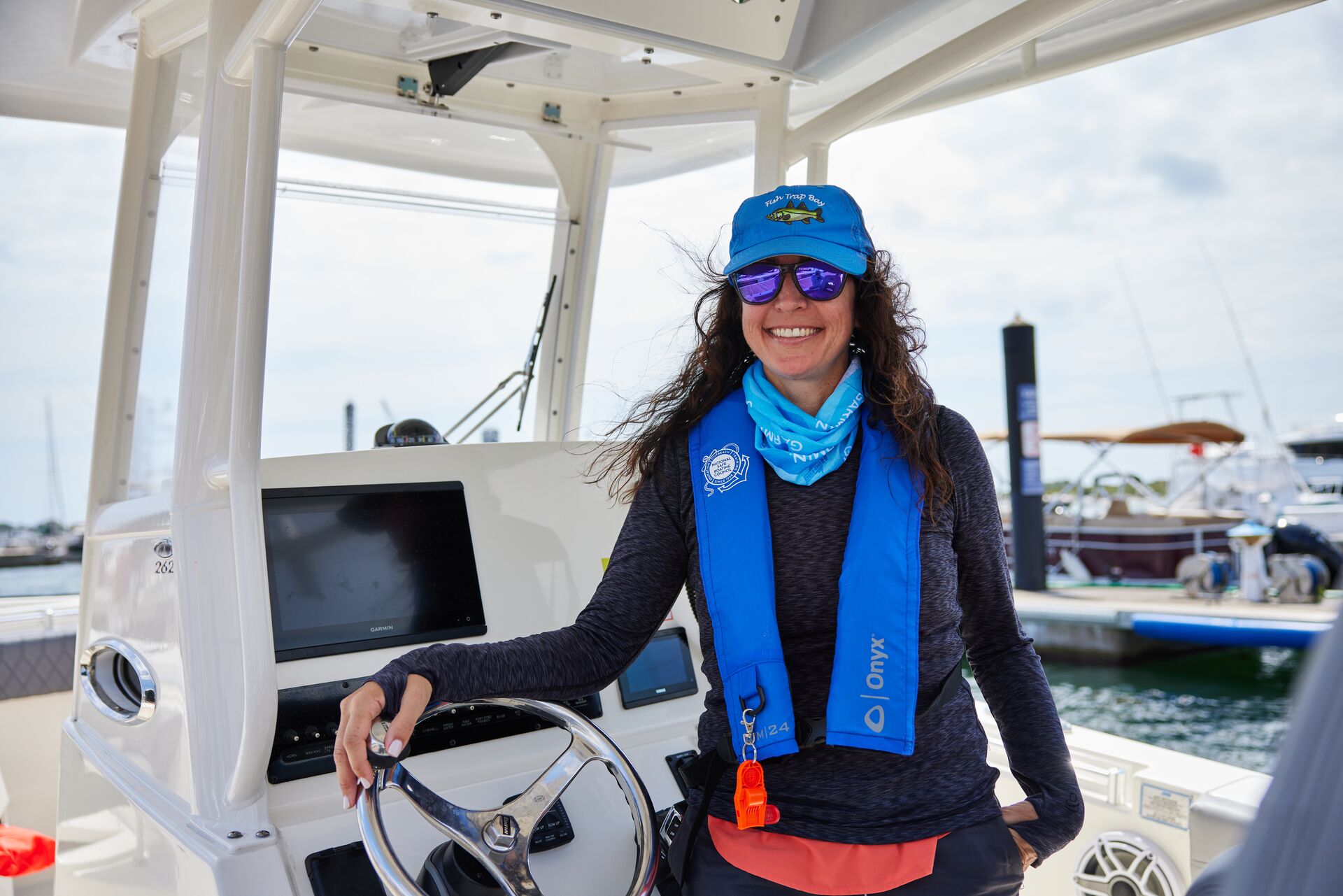
These life jackets must be inflated to keep the wearer afloat. While some PFDs can inflate automatically upon impact with the water, others require manually inflating it.
This is one reason why they're not ideal when riding a jet ski or waterskiing. If you're thrown from your skis or a PWC, you may not be able to react quickly enough to inflate your life jacket before hitting the water. This could potentially lead to drowning before anyone can get to you for a rescue since your life jacket isn't inflated or buoyant enough to keep you aflots.
When wearing an inflatable belt pack:
- Pull on the inflation cord.
- The vest will inflate.
- Adjust to fit.
When wearing an inflatable vest:
- Make sure the vest is properly fastened.
- Pull on the inflation cord.
- The vest will inflate.
You'll need to be conscious and able to work through these actions to get an inflatable life vest to keep you afloat.
Keep Your PFD Water-Ready
Inflatable PFDs can lose buoyancy and require more maintenance than standard PFDs.
To keep your inflatable PFD water-ready:
- Always check for leaks. Inflate the PFD and leave it overnight; you will need a new PFD if it has lost air.
- Check CO2 cartridges regularly. Replace them as soon as they are spent.
If you're not sure that one of these life jackets is working correctly or is the right one for your day on the water, choose a different PFD that doesn't require inflation.
Learn More About Jackets and Boating Safety with ilearntoboat
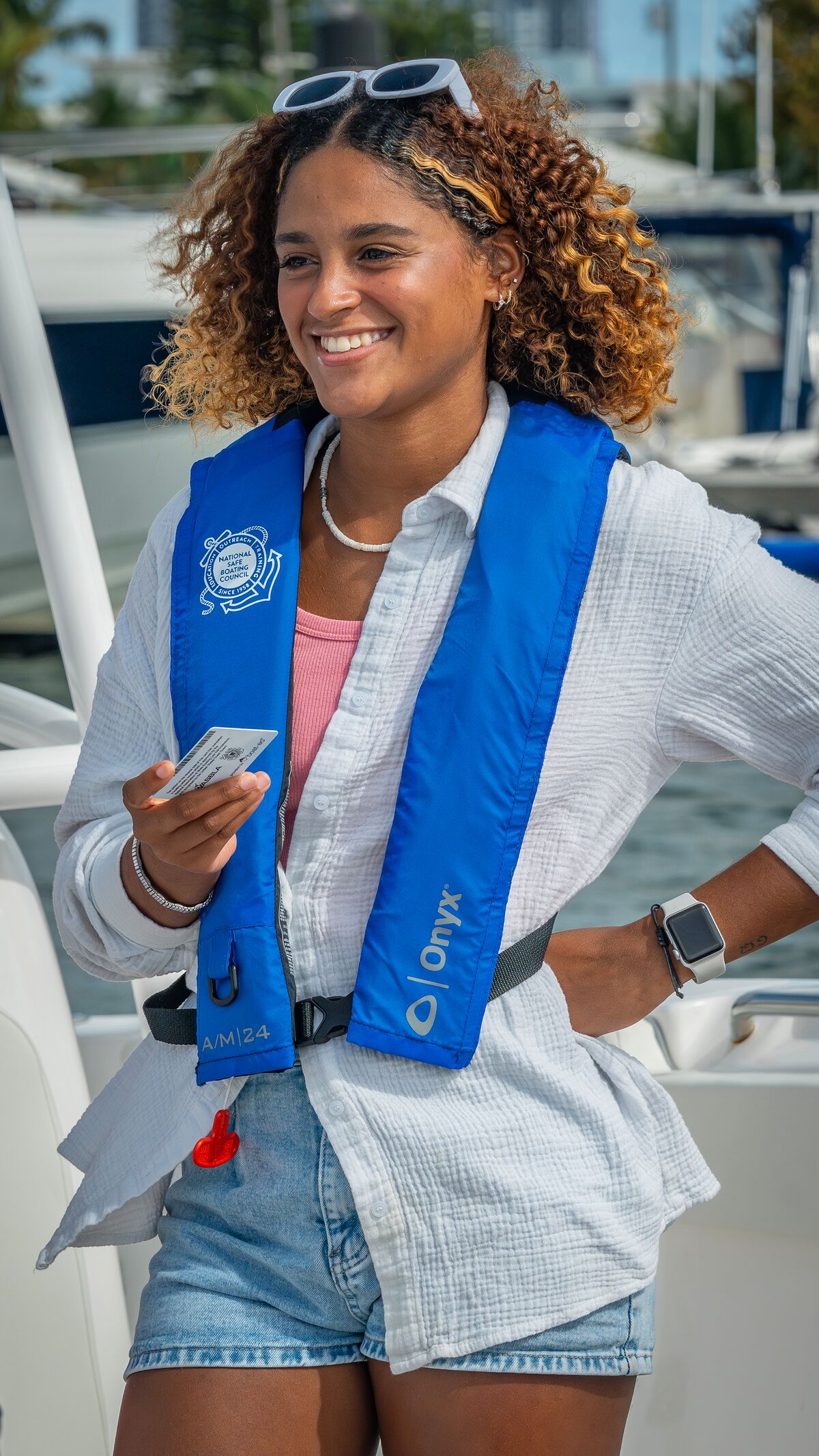
We've covered the highlights of what you need to know about inflatable PFDs today, but there's much more to learn about other types of life jackets and boating safety.
Why not have fun while learning? Choosing a boater education course through ilearntoboat is a fun and fast way to learn everything you need to know to stay safe on the water. You'll also be able to take and pass the certification exam for your state to get your boater education card and hit the water safely and legally.
Choose the course for your state, start learning, and then enjoy boating this season!
Published originally in February 2021. Content most recently reviewed and updated for accuracy and recency November 15, 2024.