How To Avoid Common Boating Accident Injuries
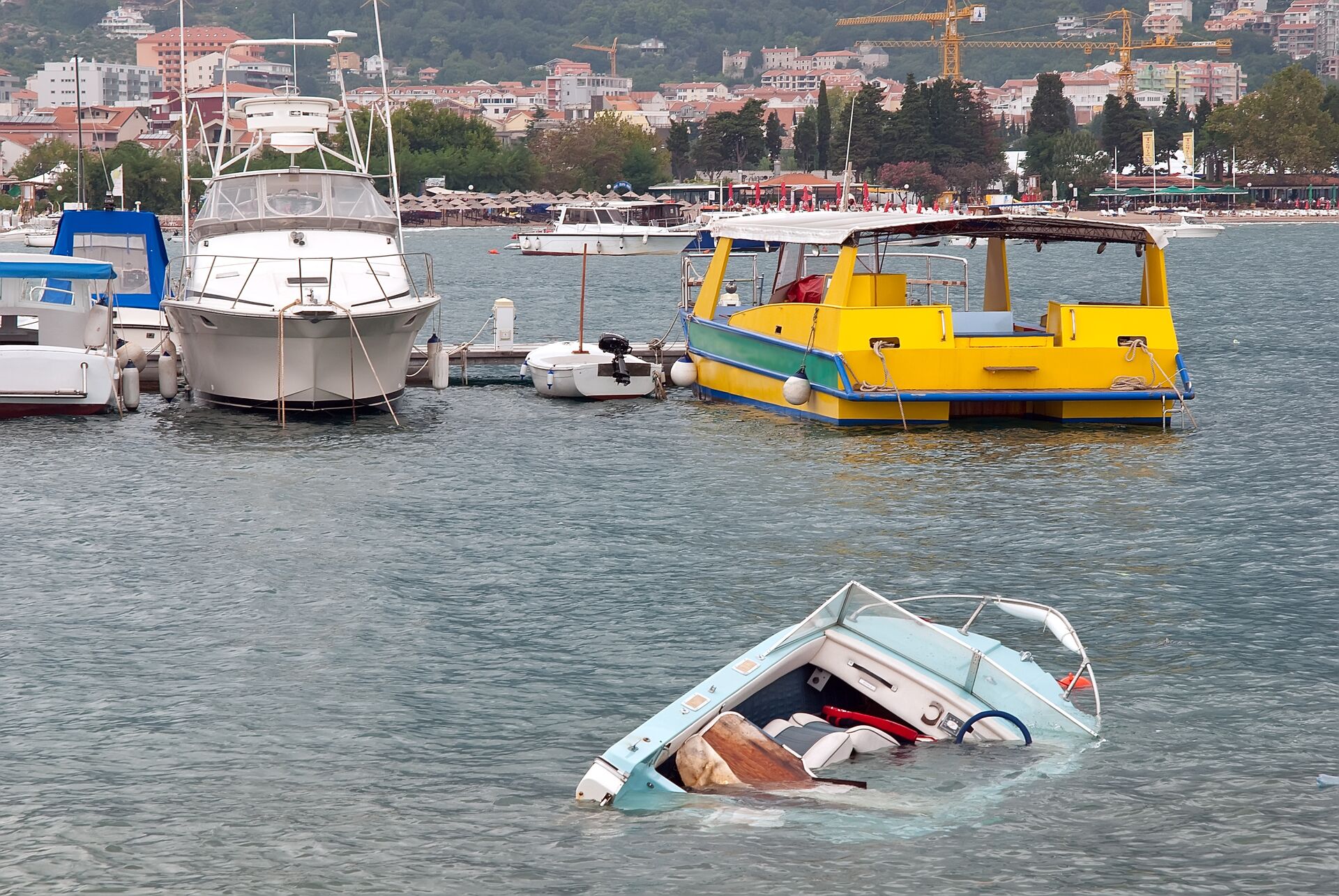
Boating accidents can be devastating, and they often happen when you least expect them. While they're not always possible to avoid, you can significantly reduce your risk of common boating accident injuries with a few simple precautions.
By learning more about boating accidents, the most common boating accident injuries, and ways to protect yourself and your passengers, you can help to create safer experiences on the water. Keep reading to learn about boating injuries and how to prevent them.
What Are the Most Common Boating Accident Injuries?
Boaters face unique safety challenges, and some boating-related injuries are more common than others.
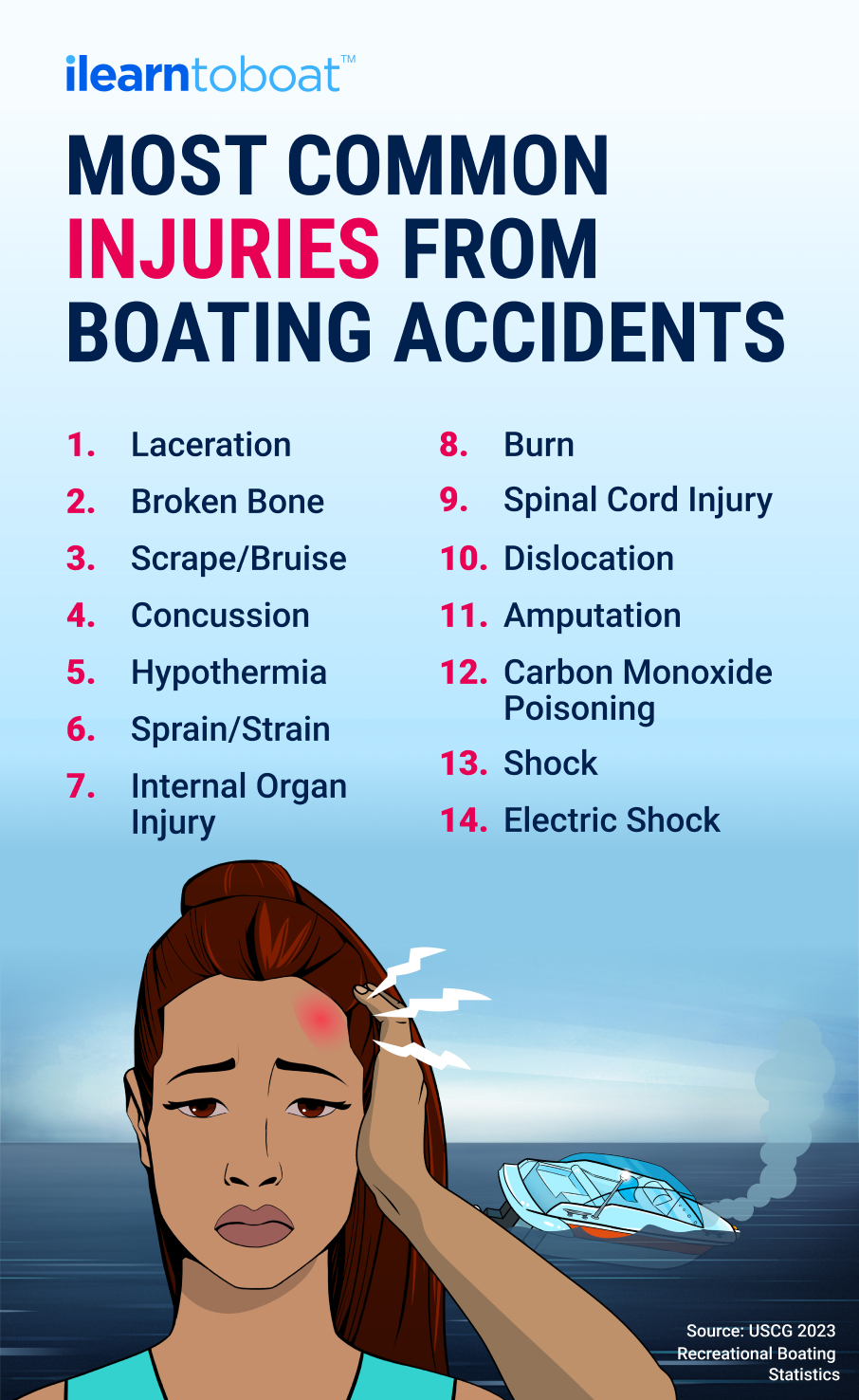
The most common injuries include:
Most Common Boating Accident Injuries | |
| 1. Lacerations | 8. Burns |
| 2. Broken Bones | 9. Spinal Cord Injuries |
| 3. Scrapes and Bruises | 10. Dislocation |
| 4. Concussion | 11. Amputation |
| 5. Hypothermia | 12. Carbon Monoxide Poisoning |
| 6. Sprains and Strains | 13. Shock |
| 7. Internal Organ Injuries | 14. Electric Shock |
From minor cuts to a potentially life-threatening boat propeller injury, boating accidents can affect anyone. Knowing the most common causes of boating accident injuries can help you protect yourself and others.
The worst "injury," of course, is death. In 2024, the Coast Guard reported 556 incidents involving death—an increase of 1.4% over 2023.
What Are the Most Common Causes of Boating Accidents?
It is essential to understand the most common causes of boating accidents to reduce the likelihood of severe injury.
- Operator inattention or distraction, inexperience, and inadequate training all contribute to boating accident injuries. When someone lacks the necessary knowledge or experience to operate a boat, they can unintentionally harm others.
- Excessive speed is another significant factor in boating accidents.
- Operating a vessel while under the influence of alcohol or drugs can make conditions even more dangerous.
- Speeding and/or being intoxicated when driving a boat can lead to poor judgment calls that put others at risk. A boat propeller injury, a broken bone, or other serious harm can occur quickly when moving too fast or not having complete control.
- Weather changes or hazardous water conditions can also pose problems. Be sure to always check the marine weather forecast before going on the water, and ensure you file a float plan to let someone know your location and the route you're taking.
Other causes of boating accidents include violating navigation rules, interfering with other vessels, and mechanical failure or equipment issues.
Taking a boater education course can help you learn about right-of-way requirements, boat maintenance, and other essential details—such as how and when to file a boating accident report—so that you can boat safely.

What Is the Leading Cause of Fatal Boating Accidents?
The top contributing factor in fatal boating accidents is operator impairment due to alcohol use, and the leading cause of death in boating accidents is drowning.
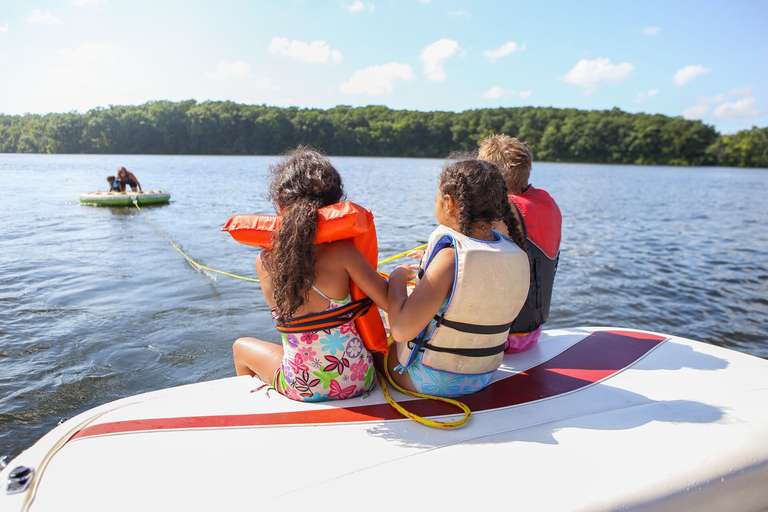
Boat operators and their passengers tend to have better outcomes in serious accidents when wearing life jackets properly.
How Can You Prevent Boating Accident Injuries?
There are many ways to reduce the chances of an accident and prevent boating accident injuries. To keep yourself and others safe, make sure to:
- Always complete a boater safety course before you operate a vessel.
- Check the weather before you head out, and continue to monitor conditions while you're on the water.
- Create a float plan and share it with someone on land.
- Inspect your boat and boating safety equipment before each trip to ensure they are functioning correctly.
- Know your limits and avoid taking risks that exceed your skills or comfort level.
Playing it safe and taking it slow are great ways to protect yourself and your vessel, helping everyone enjoy the waterways together.
On the Water Best Practices
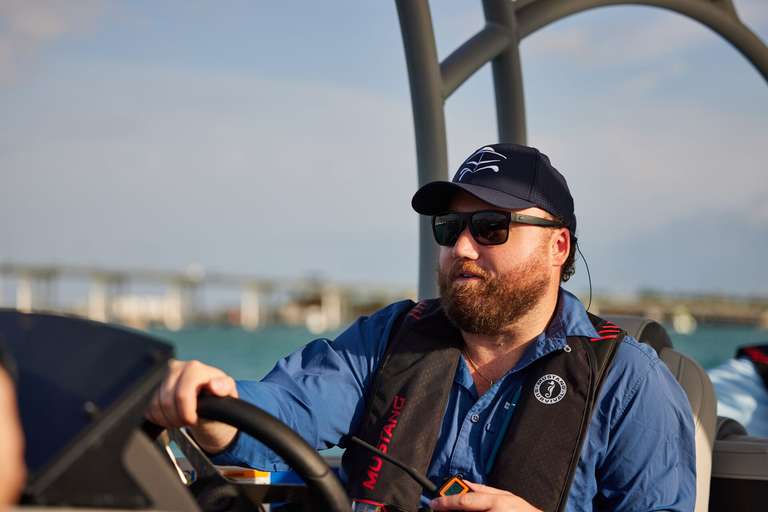
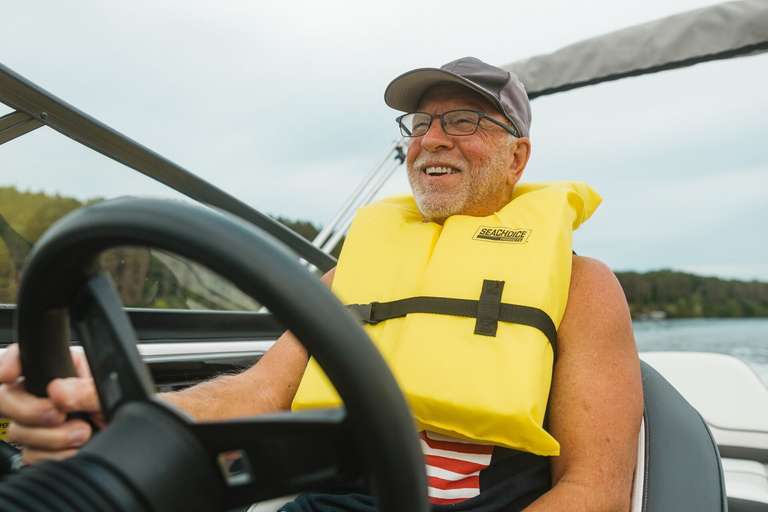
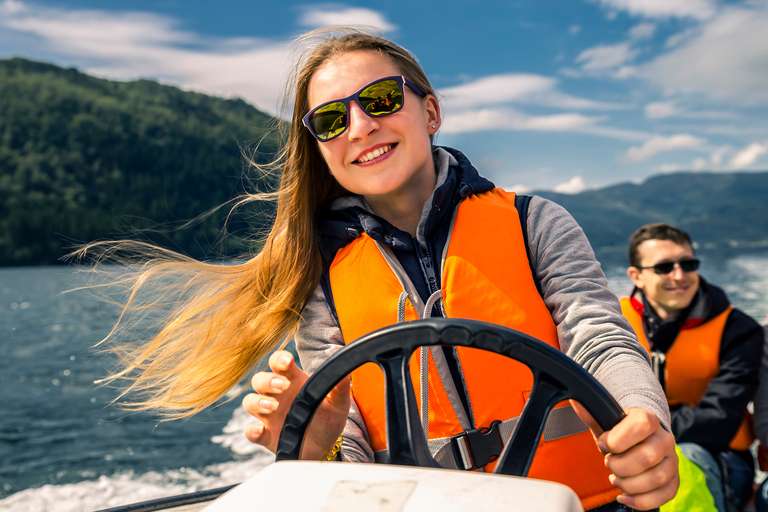
When you're on the water, always wear your life jacket. It should fit correctly and be in good shape.
Never drink and boat: alcohol is a leading factor in fatal boating accident injuries, and staying sober on the water can help to keep you and others safe.
Maintain a safe speed for marine traffic and weather conditions, and always be alert and aware of the boats and obstacles around you. To avoid collisions, follow proper navigation rules and use a secondary lookout who can help spot other boats or hazards in the water.
Expect the unexpected and be as prepared as possible: having an emergency plan in place can help you know what to do if something goes wrong.
What Boating Safety Equipment Should Be on Every Vessel?
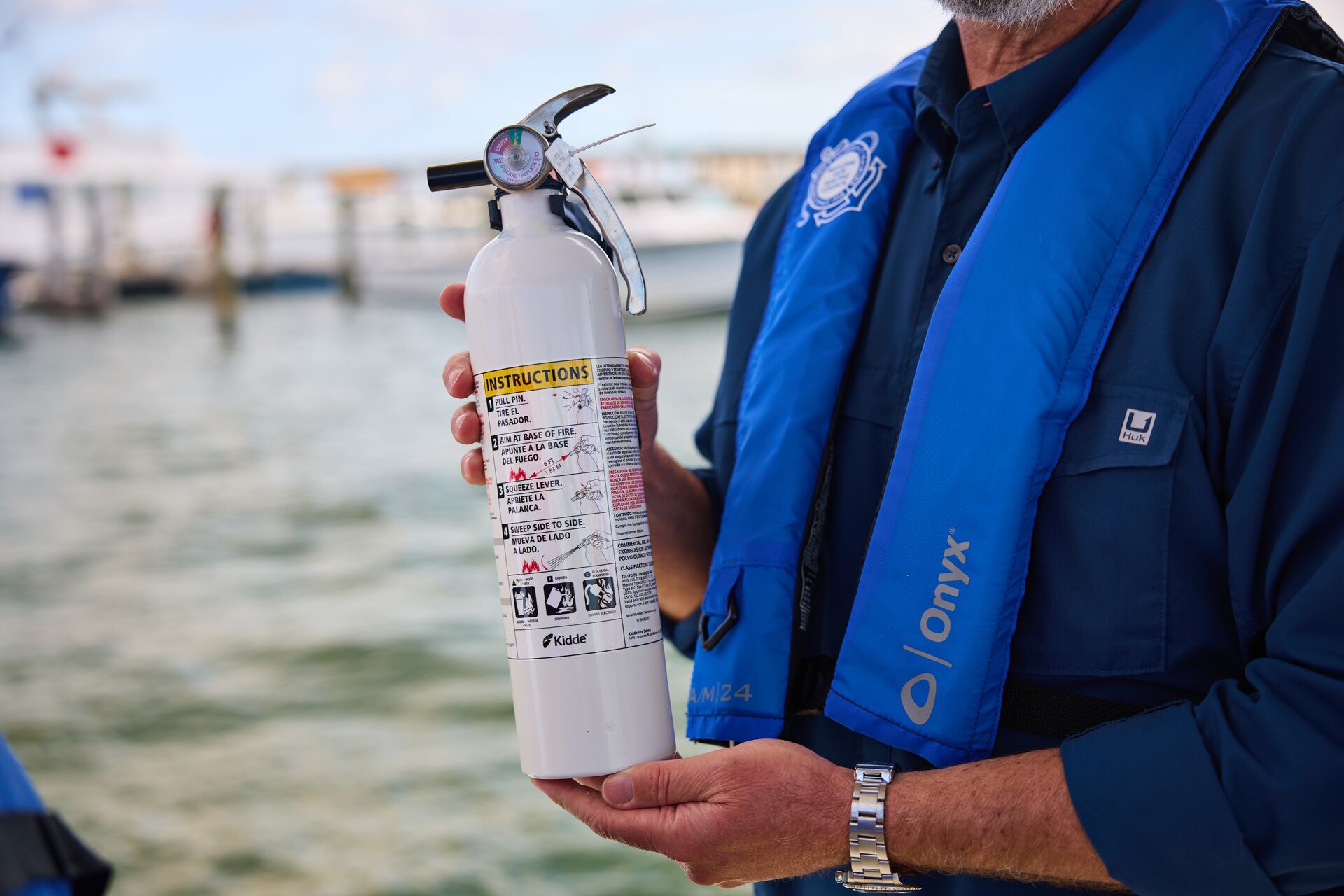
The right boating safety equipment can make a difference between safe recreation and boating accident injuries. Before you take your boat out, consult a checklist to ensure you have:
- A U.S. Coast Guard–approved life jacket (PFD) for each passenger
- A throwable flotation device (Type IV)
- A fire extinguisher (or more than one, depending on vessel size)
- A sound-producing device, such as a whistle, horn, or bell
- Visual distress signals, such as flares, flags, and lights
- A first aid kit
- An anchor and plenty of line
- Navigation lights, if you plan to boat at night or in low-visibility conditions
- A communication device, such as a VHF radio or a cell phone in a waterproof case
Larger vessels may have more detailed requirements for the number of flotation devices, fire extinguishers, signal options, and communication devices. Ensure you're following regulations for the type and size of the vessel you're operating.
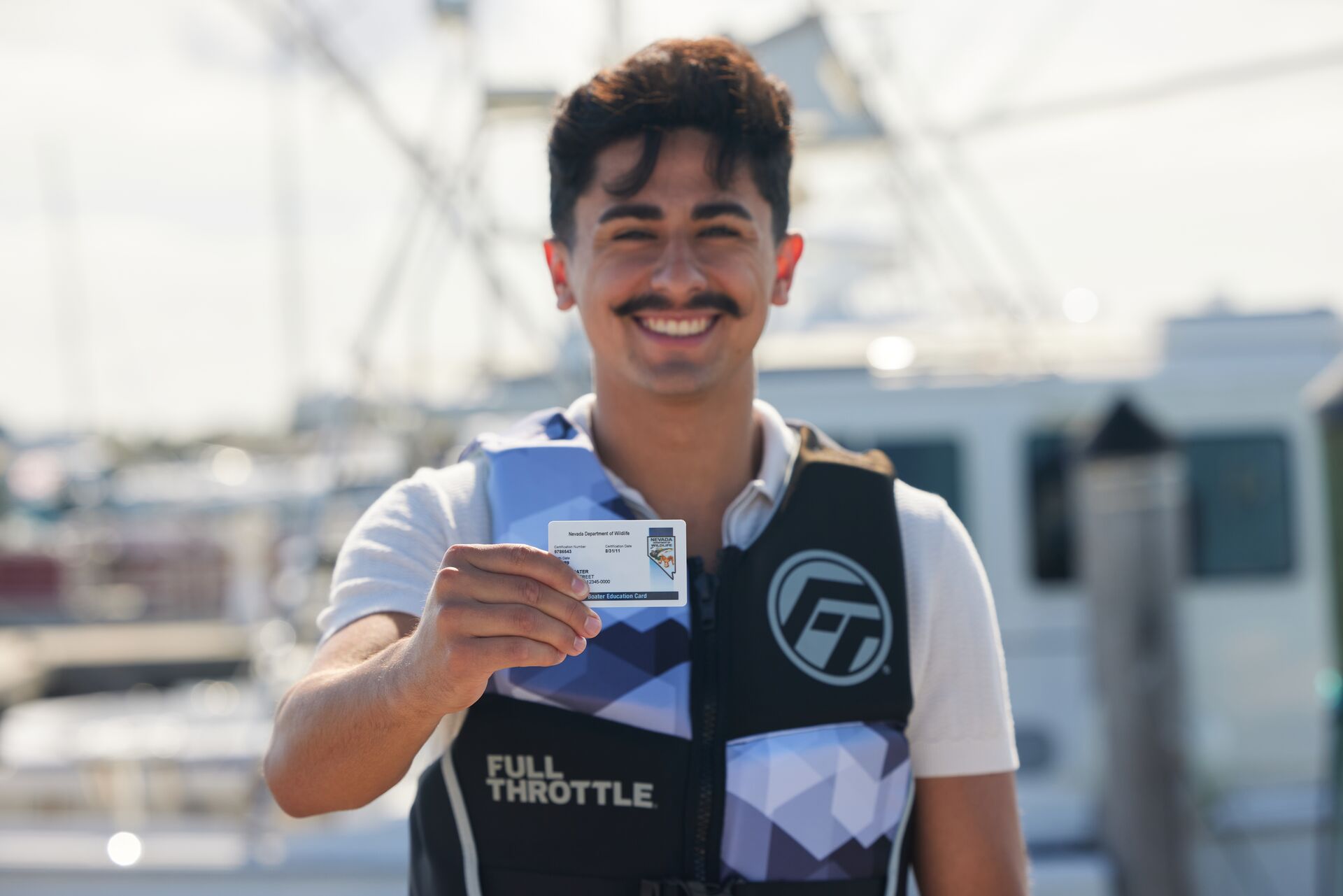
Help Prevent Boating Accident Injuries With a Boater Education Course
We hope you never experience an accident or injury on the water! Following these tips will help you avoid boating accident injuries so you stay safe and enjoy more boating adventures.
In addition to the tips we shared today, one of the most effective ways to reduce accidents is to take a boater education course. You'll learn about safety on the water, navigation rules, vessel maintenance, and other essential information so that you can boat confidently.
ilearntoboat is here to help! Our online, state-specific courses help you learn everything you need to know about safe boating practices, but they also meet your state's requirements for boater education before hitting the water.
So, before you hit the water, make sure you know how to avoid accidents and injuries.
Take the ilearntoboat course for your state, get your safety certification, then enjoy the waterways!
Frequently Asked Questions (FAQs)
We have answers to your questions about boating accident injuries!
Q: What are the most common causes of boating accidents?
A: The most common causes include operator inattention, inexperience, excessive speed, alcohol use, and mechanical failure.
Q: How can you prevent boating accident injuries?
A: Follow navigation rules, always wear a life jacket, avoid alcohol, maintain a safe speed, and make sure the boat is properly maintained.
Q: What safety gear should be on every boat?
A: Every boat should have life jackets for all passengers, fire extinguishers, a first aid kit, visual distress signals, a sound-producing device (like a whistle or horn), and navigation lights.
Q: What is the leading cause of fatal boating accidents?
A: The leading cause is impairment due to drugs or alcohol, leading to accidents, causing drowning, most often due to not wearing a life jacket.
Q: What qualifies as a traumatic injury?
A: A traumatic injury is any serious physical injury caused by an external force, such as a blow, fall, or collision, often resulting in broken bones, head injuries, or internal damage.
Take the ilearntoboat course for your state, get your safety certification, then enjoy the waterways!