One Blast or Two: What to Know About Boat Horn Sounds
Whether you're a seasoned boater or just getting started, understanding boat horn sounds is essential for safe and courteous navigation on the water. These audible signals aren't just noise. They're part of a standardized communication system used to prevent collisions, indicate intentions, and ensure smooth interactions between vessels.
Here's what to know about what different horn signals mean, when to use them, and why every boater should know the rules behind the blast.
Why Boat Horn Sounds Matter
Boat horn signals are an essential part of communicating on the water. They're crucial when you're maneuvering your boat close to others or visibility is poor.
Not only can horn signals alert other vessels to your intentions, but they can also help prevent accidents and keep everyone safer.
What Does a Boat Horn Sound Like?
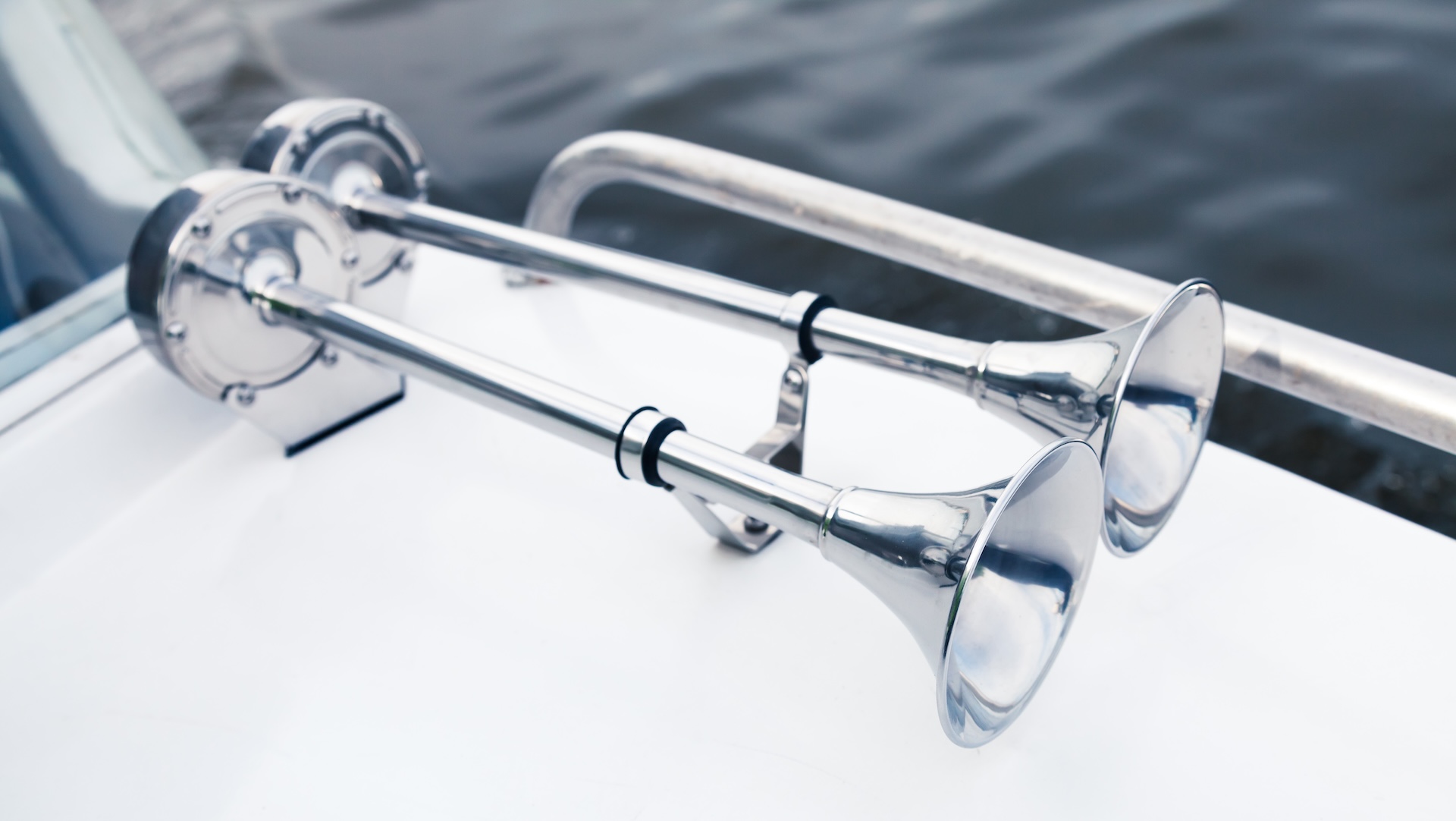
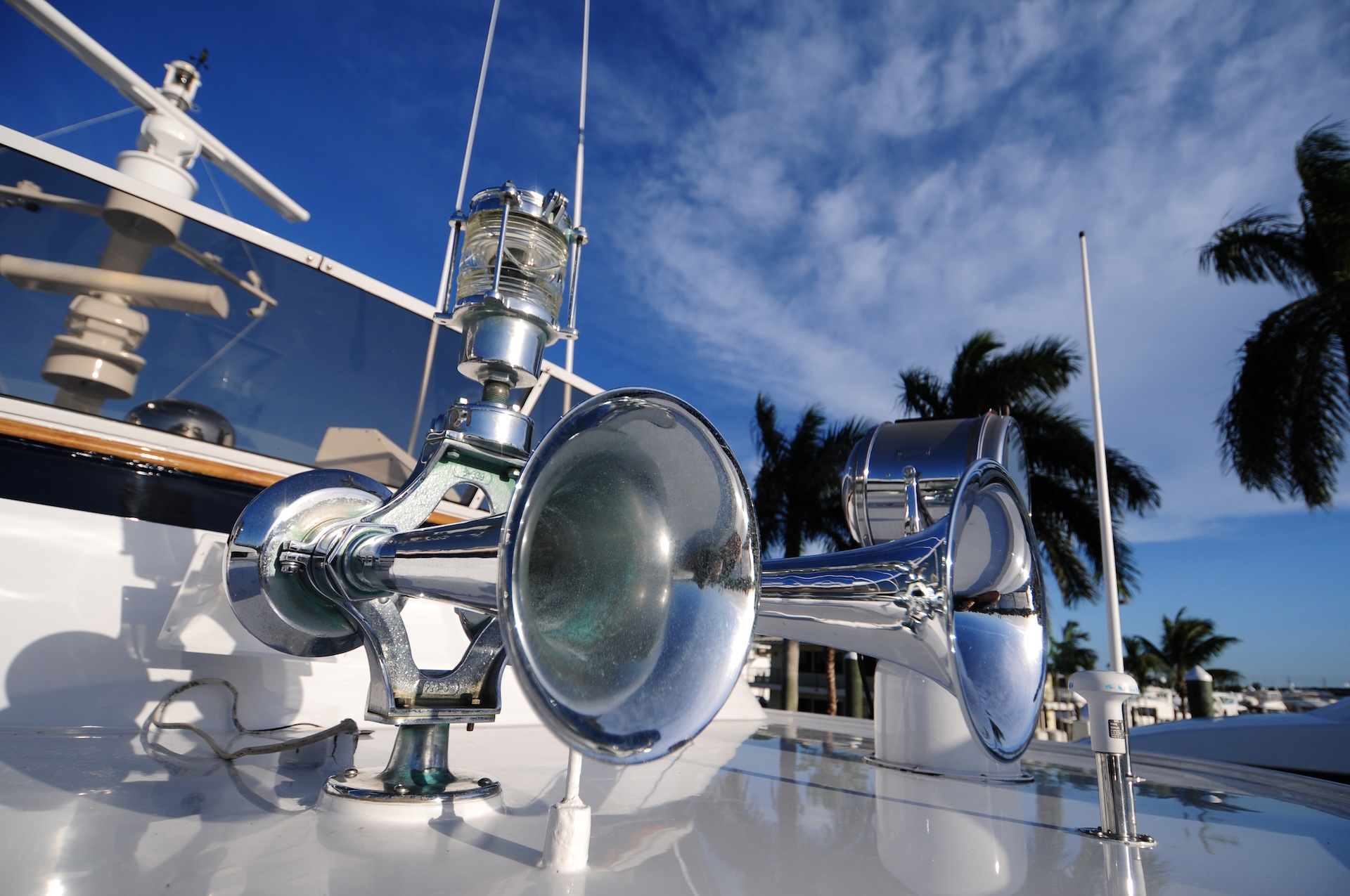
Not all boat horns sound the same, but they're generally similar. The majority of boat horns emit a trumpet-like sound that's loud and clear. It's designed to carry across the water so it can be heard from a long distance away.
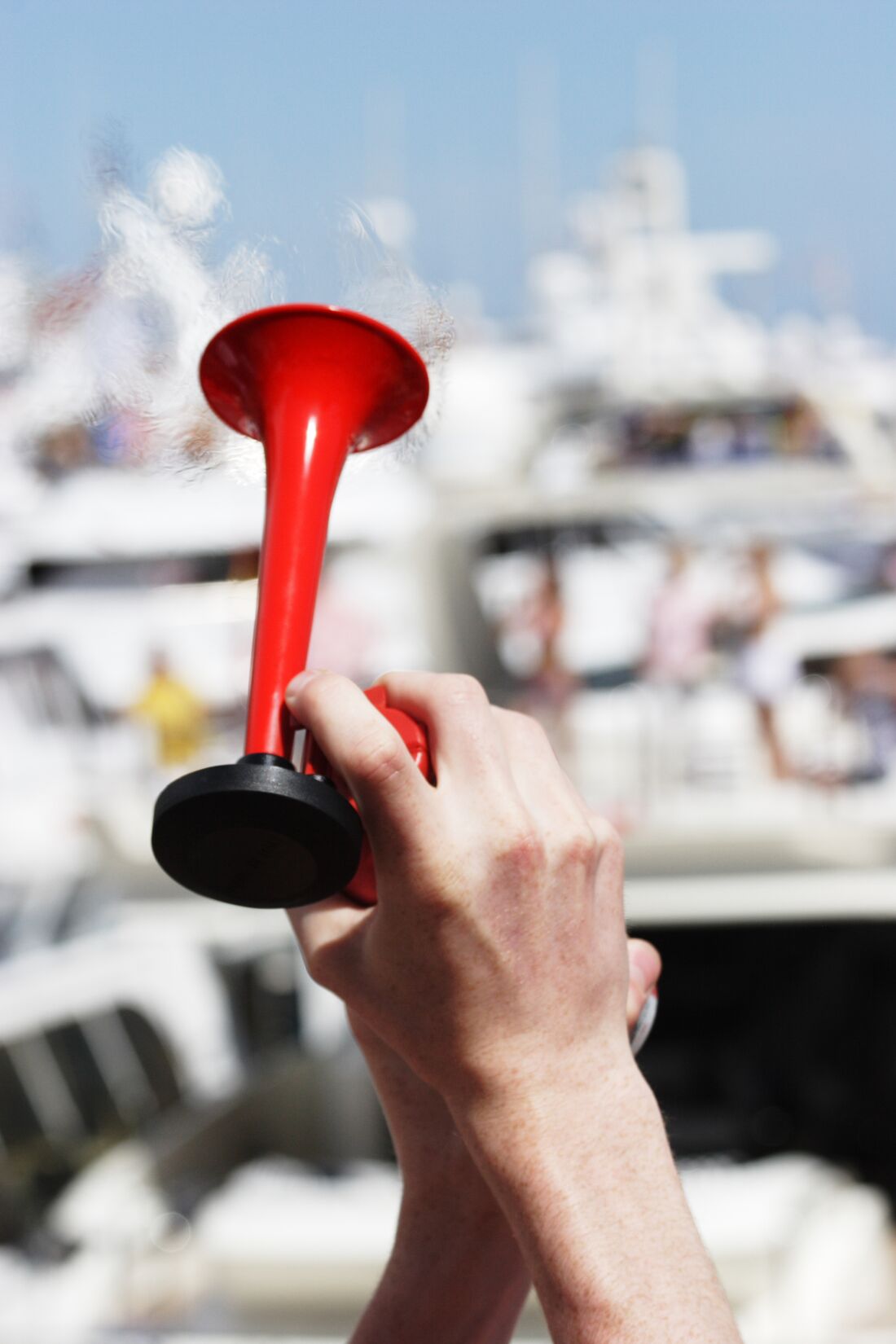
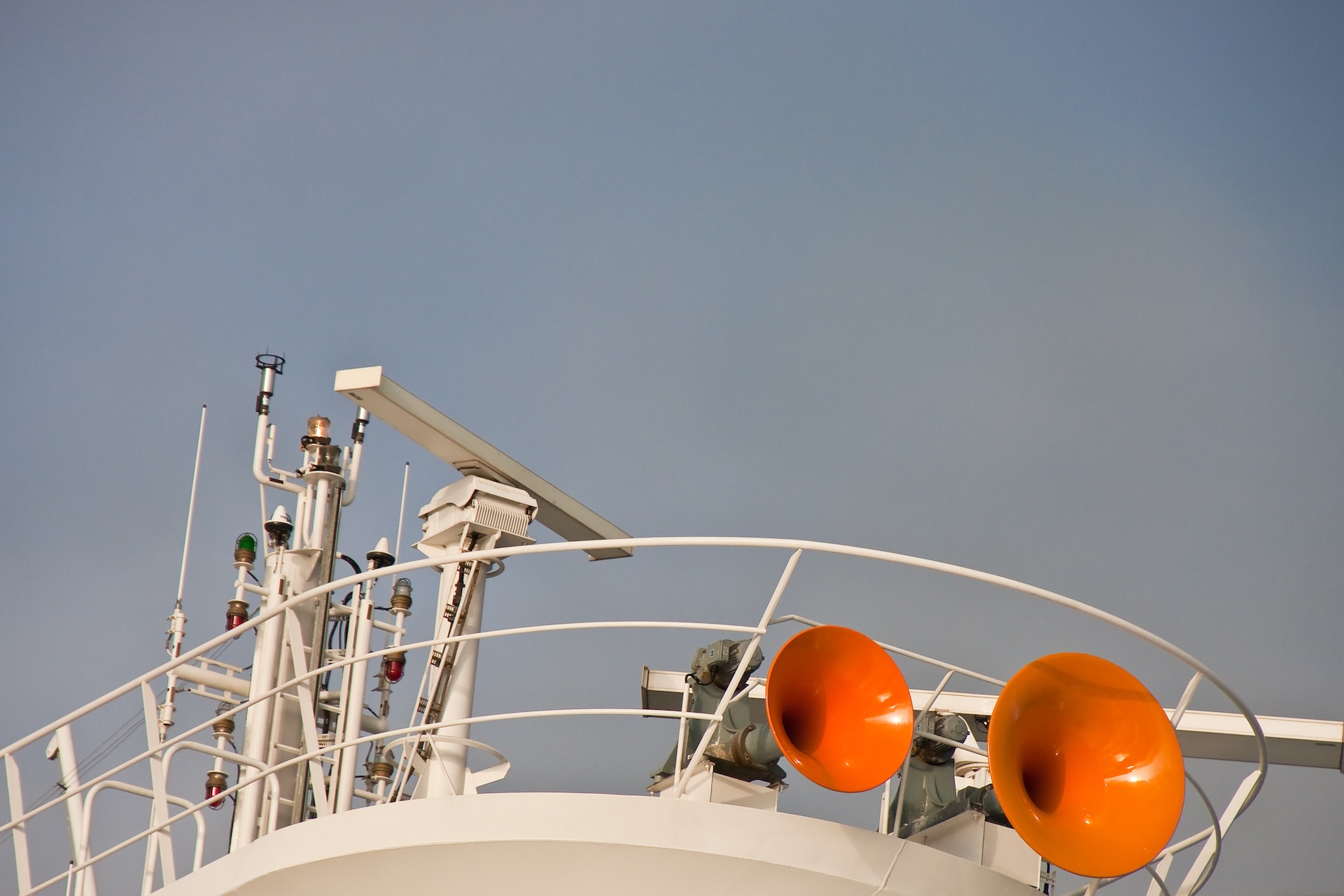
The sound will vary to some extent based on the size and type of the boat. For example, a small boat might use handheld or electric air horns, whereas larger vessels typically employ compressed air horns or whistles that produce deep, resonant tones.
Typically, the tones of a boat horn are between 70 and 110 decibels. Because air quality, fog, wind direction, and other factors can affect how well sound carries, boat horns need to be loud enough to do their job correctly and make sure people around you are aware of your boat's location.
Types of Horn Blasts and Their Meanings
Not all boat horn sounds are equal, and the way you use your vessel's horn conveys critical information to other boats nearby.
Some of the most common horn usages and meanings include:
Boat Horn Sounds | |
| One Short Blast | Indicates that you're altering your course to starboard (right). |
| Two Short Blasts | Warns others that you're altering your course to port (left). |
| Three Short Blasts | This lets those around you know you're operating astern propulsion (in other words, moving in reverse). |
| Five Short Blasts | This is used as a danger signal. It can convey that another boater is in your way, or let others know you don't understand their intentions. |
| Prolonged Blast (4 to 6 seconds) | This is used when you're leaving the dock, or in fog, to signal your location. |
Knowing which horn signal to use at the right time is essential for conveying the intended message. You don't want to indicate that you're altering your course to the right, for example, when you plan to move left. Using the wrong signal at the wrong time could potentially result in a collision with another vessel.
When to Use Boat Horn Signals
Sound signals should only be used when needed and must be used correctly.
The proper times to use your boat's horn include:
- When you're overtaking another vessel
- When you're approaching a blind bend or leaving a dock
- During fog or restricted visibility (per navigation rules)
- To alert other boaters of confusion or danger
It's essential to remember that your boat's horn is a communication device, and you should use it only when necessary. Using it randomly could confuse boaters around you, increasing everyone's risk of an accident on the water.
Day vs. Night Horn Use
What If You Hear a Horn but Can't See the Vessel?
If you hear a horn but don't see the vessel it belongs to, slow down and keep a lookout. Depending on what the other boat is signaling, you may need to respond.
Not seeing the vessel right away is common in fog, so listen carefully for horn sounds and prolonged blasts from nearby boats.
Boat Horn Rules and Regulations
So, what does a boat horn sound like? Are there regulations for using one?
The type of horn you carry and the kind of sound it makes are governed by navigation rules. These include COLREGS for international waters and Inland Rules for U.S. waters.
These rules stipulate that boats exceeding 12 meters (39.4 ft) in length must be equipped with a whistle or horn. For boats over 20 meters (65.6 ft) in length, you also need to have a bell onboard for specific sound signals.
Common Sound Signaling Mistakes Boaters Make
The most common mistakes boaters make include not knowing which horn signal is correct for their maneuver, using a horn when it's not needed or forgetting to use it, and assuming other boaters know what they're about to do, even if they don't signal it.
The best way to overcome these mistakes and use boat horn signals appropriately is to study when and how to use the signals and keep a chart nearby. A boater education course can also help you learn more about using sound signals on the water.
Tips for Boaters When Using Boat Horns
To reduce risk and ensure you're using your boat's horn correctly, make sure that you:
- Practice using your horn before it's needed in a high-pressure situation
- Double-check that your horn works as part of your boating safety equipment checklist and pre-launch procedures
- Teach everyone on board how to use the horn and what the signals mean
Having a properly working horn and passengers who understand how to use it can contribute to your confidence and peace of mind while navigating the waters safely!
Learn More About Water Navigation with a Boater Education Course
Boat horn signals are more than just a formality. They're also a vital part of safe boating. When you learn them and use them properly, you avoid confusion and help yourself and others stay safe on the water.
To learn more about horn signals, water navigation, and other boating safety rules, take time for an online boater education course through ilearntoboat. Our courses teach you safety, etiquette, navigation, and other essential skills so that you can boat with more confidence.
Plus, most states require boat operators to pass a boater education course before taking the helm. Take the ilearntoboat course for your state to hit the water safely and legally!
Frequently Asked Questions (FAQs)
Here are answers to some of the most common questions about boat horn signals!
Q: What do the sounds on a boat horn mean?
A: Boat horn signals communicate a vessel’s intentions or warnings to others. These warnings include passing, turning, or danger.
Q: What do 5 short horn blasts mean on a boat?
A: Five horn blasts mean "danger" or "doubt." You would use this signal if you don’t understand the other vessel’s intentions or believe a collision risk exists.
Q: What does it mean when a boat honks four times?
A: Four short blasts aren’t a standard signal in the International or U.S. rules. It could be a local signal, informal, or an error.
Q: What do three long horn blasts mean?
A: Boaters typically use three long horn blasts as a warning when leaving a dock or moving in reverse.
Q: What does 3 short blasts mean?
A: Using three short blasts means, “I am operating astern propulsion." In other words, the vessel is going in reverse.
Take the ilearntoboat course for your state to hit the water safely and legally!