How to Tie a Boat to a Dock Overnight (Successfully)
It's not difficult to learn how to tie a boat to a dock overnight, but it does take some practice. With that in mind, you want to know the ins and outs of boat knots and the right steps to ensure that it doesn't drift during the night.
Proper tying also reduces damage to your boat (and the dock), as well as unnecessary wear on your cleats and lines.
Among the most significant risks are wind shifts, wakes from other boats, tidal changes, and the current, all of which can affect your boat during the night. Here's what to know about tying your boat to a dock overnight, so you can be prepared and keep your vessel safe and secure.
Choose the Right Dock and Slip
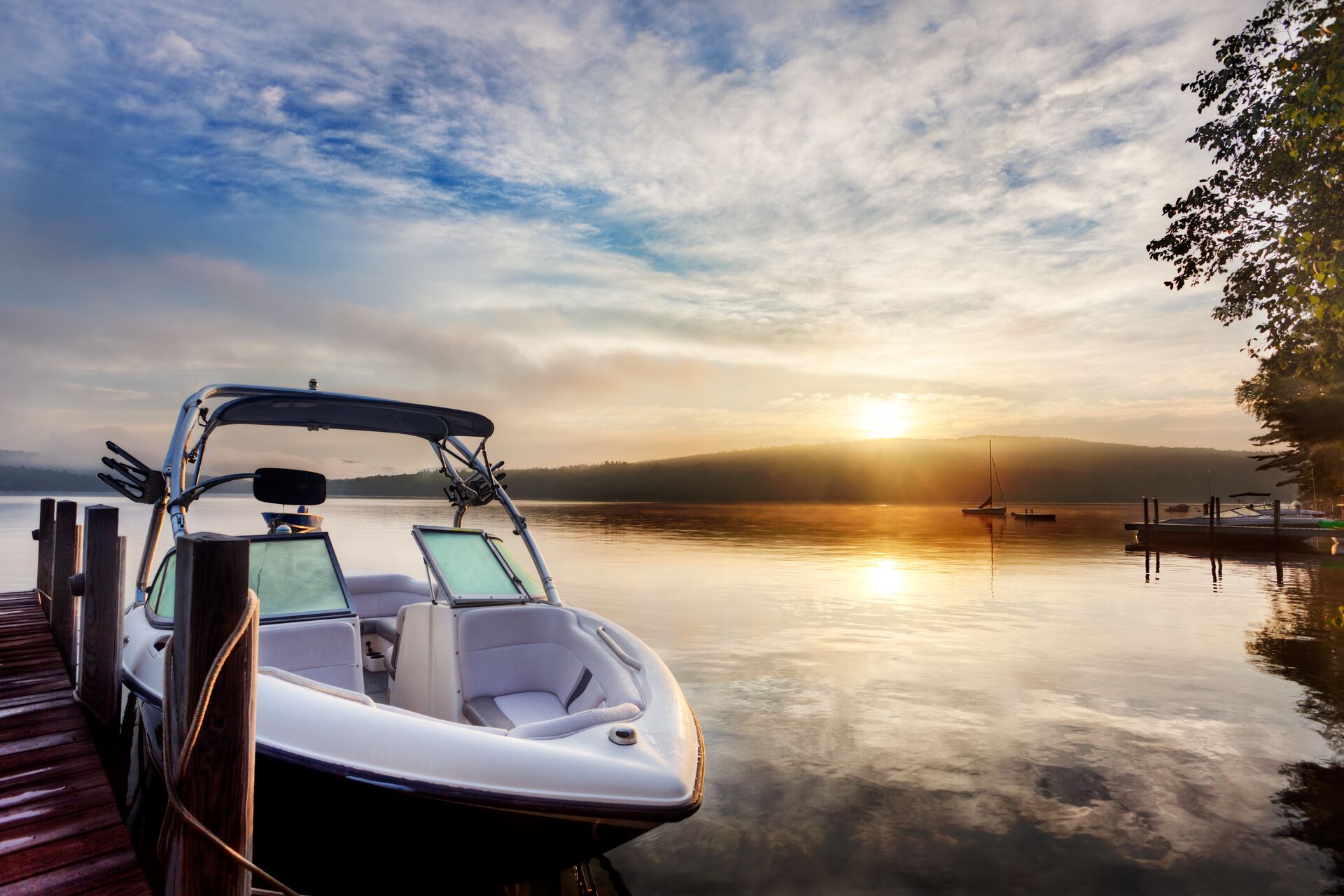
Choosing the right place to dock your boat overnight is crucial. It's best to opt for a protected location, such as a marina, cove, or calm harbor. That gives you minimal exposure to waves and wake, so you have less chance of damage to your boat.
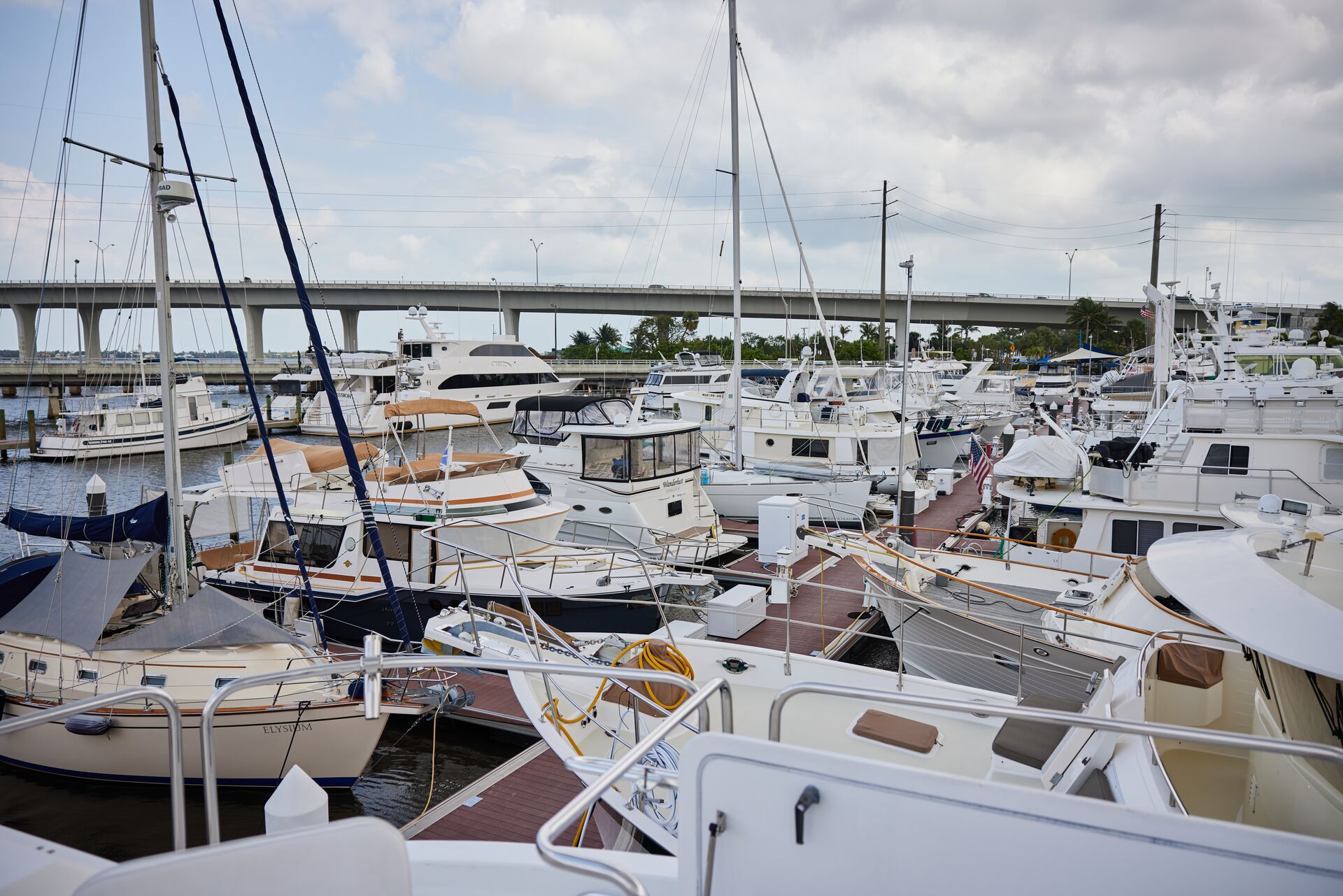
Before you dock your boat for the night, look for dock cleats, pilings, and the available space for fenders. Additionally, make sure you have permission to dock your vessel there overnight. Depending on who owns the dock, you may need paperwork from the marina or additional documentation beyond verbal approval from the owner.
Use Quality Dock Lines for Overnight Boats
When docking your boat overnight, you'll want to use at least four dock lines. There should be one each for the bow and stern, along with two spring lines.
Double-braided nylon lines are a wise choice, as they stretch to absorb shock. These lines should be long enough to adjust for water level or tide changes without allowing your vessel to drift or move away from the dock itself.
Secure the Boat with Proper Line Placement
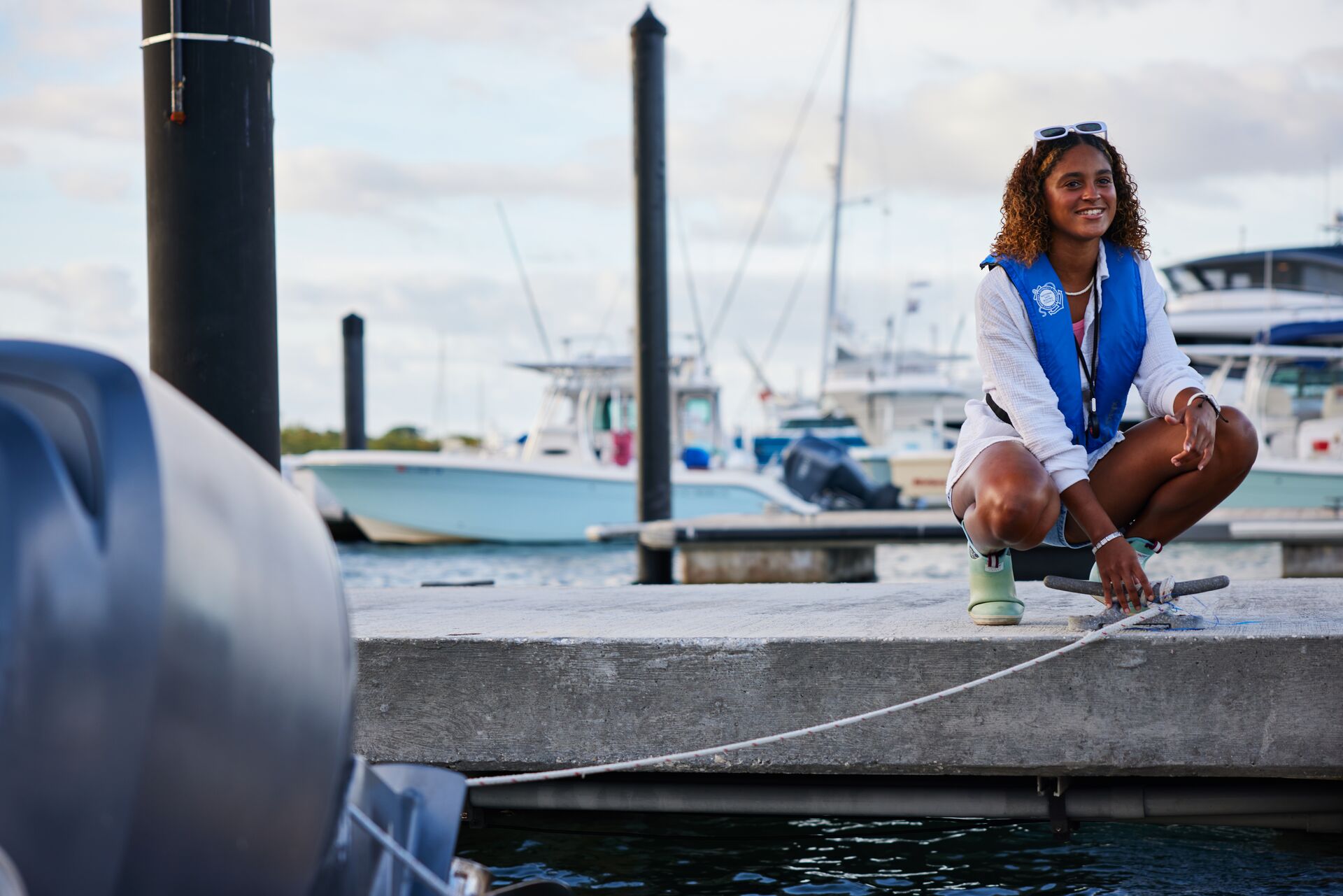
When considering how to tie a boat to a dock overnight, having lines in the proper places is key.
These include:
- Bow Line: This line runs from the boat's front cleat to the dock cleat in front of the boat.
- Stern Line: This line should extend from the vessel's back cleat to a dock cleat located behind the boat.
- Spring Lines: These run diagonally from the boat, which prevents forward or backward movement.
The forward spring line extends from the stern to the dock cleat located forward of the boat, while the aft spring line extends from the bow to a dock cleat aft of the boat.
Use Fenders to Protect the Hull
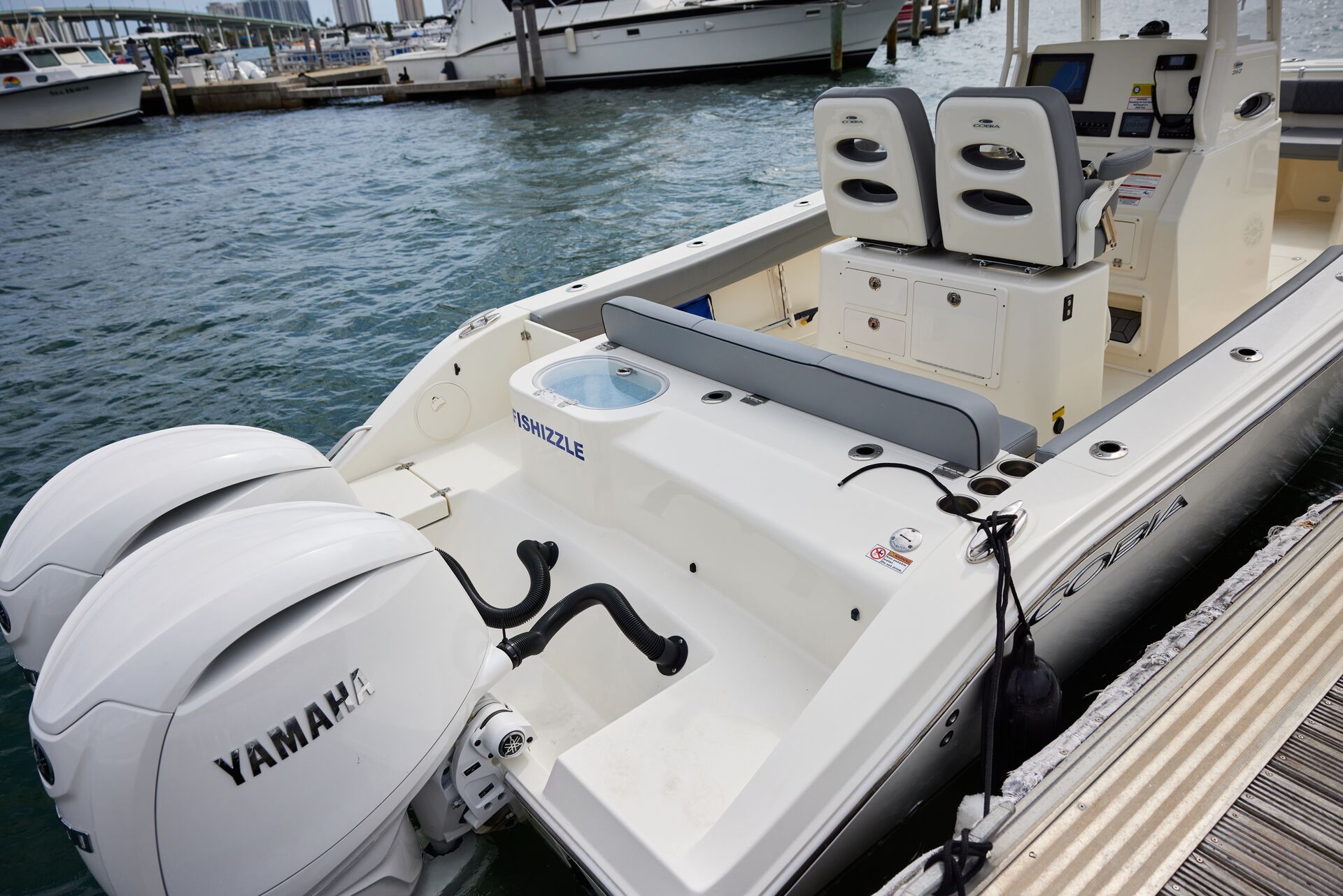
Protecting the hull from rubbing or scraping is crucial when docking your boat overnight. That's where boat fenders come in. By putting them between your boat and the dock, you keep the side of your vessel safe.
You can adjust the fender height based on the type of dock, as using a floating or fixed dock requires different protection. You'll want at least three fenders, as well, since one goes near the stern, one amidships, and one near the bow.
Account for Weather and Water Conditions
Weather and water conditions can affect overnight boats. If you're in a tidal area, for example, tie your lines with some extra slack to allow for a rising or falling tide during the overnight hours.
If it's windy, you'll need extra spring lines, or you can double up on bow and stern lines for increased protection. It's essential to avoid tying any of your lines too tightly, though, as your vessel needs room to move gently and to rise and fall with water patterns while at the dock.
Secure or Stow Loose Items
Anything on your boat that could get damaged or blown away should be stowed or tied down. This includes items such as coolers, canvas covers, and seat cushions.
Additionally, ensure that all windows and hatches are closed and locked. You want your boat protected while at the dock, so you don't have to worry about it overnight.
Check the Boat's Condition Before Leaving
Before you leave your boat for the night, make sure that battery switches are off, bilge pumps are working, and lights are off unless they're needed.
If you're staying aboard your boat and sleeping, make sure shore power is connected securely and safely. You don't want to be at risk of a boat fire or electrical problem, especially in the dark.
Inspect Your Boat in the Morning
Overnight boats should be inspected in the morning for signs of chafing on lines or wear on the fenders. Before heading out again, also take a moment to inspect the cleats and knots.
If something is damaged or broken, fixing it at the dock can be easier than trying to deal with it in open water.
Bonus Tip: Know Your Knots
Knowing how to tie proper boating knots is crucial.
The cleat hitch is a great choice for docking your boat, as it's secure and straightforward. It's also a good idea to learn a bowline knot, so you can create a strong loop that won't slip or slide.
If any of your lines will rub against rough edges overnight and can't be relocated, use towels or sleeves for chafe protection. Doing this can keep your lines in good shape longer and reduce the risk of fraying and breakage.
Boater Education Helps You Learn How to Tie a Boat to a Dock Overnight (and More)
Overnight docking is about protection and preparation. Whether you sleep on the boat or head ashore, a well-tied vessel means you can enjoy more peace of mind while your boat waits for your return.
Another vital thing to do before you head out on your boat is to take a boater education course. An online course through ilearntoboat will help you learn about water safety, navigation, boating knots, emergency procedures, and a lot more. This information can help you know how to tie a boat to a dock overnight (and more)!
Plus, most states require boat operators to pass a boater education course. You can do this quickly (while learning everything you need to know) by taking the ilearntoboat course for your state!
Frequently Asked Questions (FAQs)
We have answers to your questions about overnight boats!
Q: What is the best way to tie a boat to a dock?
A: Use strong dock lines and secure them in a cleat hitch or other reliable knot. Allow a little slack for movement with the waves and tides.
Q: What kind of rope to tie a boat to a dock?
A: Use nylon dock lines (typically braided or three-strand) because they are strong, stretch slightly to absorb shock, and resist UV and water damage.
Q: Where is it legal to tie up your boat?
A: It is only legal to dock your boat at designated docks, slips, or mooring areas where permission is granted. Never tie your boat to private docks, channel markers, or navigation buoys.
Q: How to tie a boat to a dock without cleats?
A: Use pilings, posts, or rings. Secure lines with a clove hitch, round turn with two half hitches, or other dependable boat knots.
Q: How to keep a boat from being stolen from the dock?
A: Use locking dock lines, remove valuables, install a boat alarm or GPS tracker, and secure access with dock gates or cameras when possible.