Boat Insurance 101: What Every Boater Needs to Know

Taking good care of your vessel is one of the most important aspects of being a boat owner, and protecting it is about more than just basic maintenance. Along with spring updates, fall winterizing, and repairs, you should also consider getting boat insurance.
While you may not be legally required to have insurance on your boat, your location and boat financing could make it a wise investment. Here's what you need to know about insurance options and policies available for your boat.
What Is Boat Insurance?
A boat insurance policy offers financial protection from the risks associated with owning or operating a boat, personal watercraft (PWC), or other marine vessel. It's similar to auto insurance, but explicitly for watercraft.
Much like insurance for your vehicle, a boat policy can cover physical damage to the boat, liability for accidents, and other risks. Boat insurance offers peace of mind as well as financial protection, making your boating adventure more enjoyable.
Do I Need Boat Insurance?
Having a boat policy isn't always legally required, but it is always strongly recommended. Some states and marinas may require insurance for your vessel, and lenders may insist on verifiable, valid coverage to finance a boat.
Having boat liability insurance, along with additional coverage options, can protect you from high repair costs, liability claims, and expenses related to unexpected accidents.
What Information Do You Need to Meet Boat Insurance Requirements?
To get marine insurance coverage, you'll need to provide information about yourself and your boat.
These details include:
- Basic personal information, such as your name, address, and level of boating experience
- Specific details about your boat, such as the year, make, model, length, and engine type/horsepower
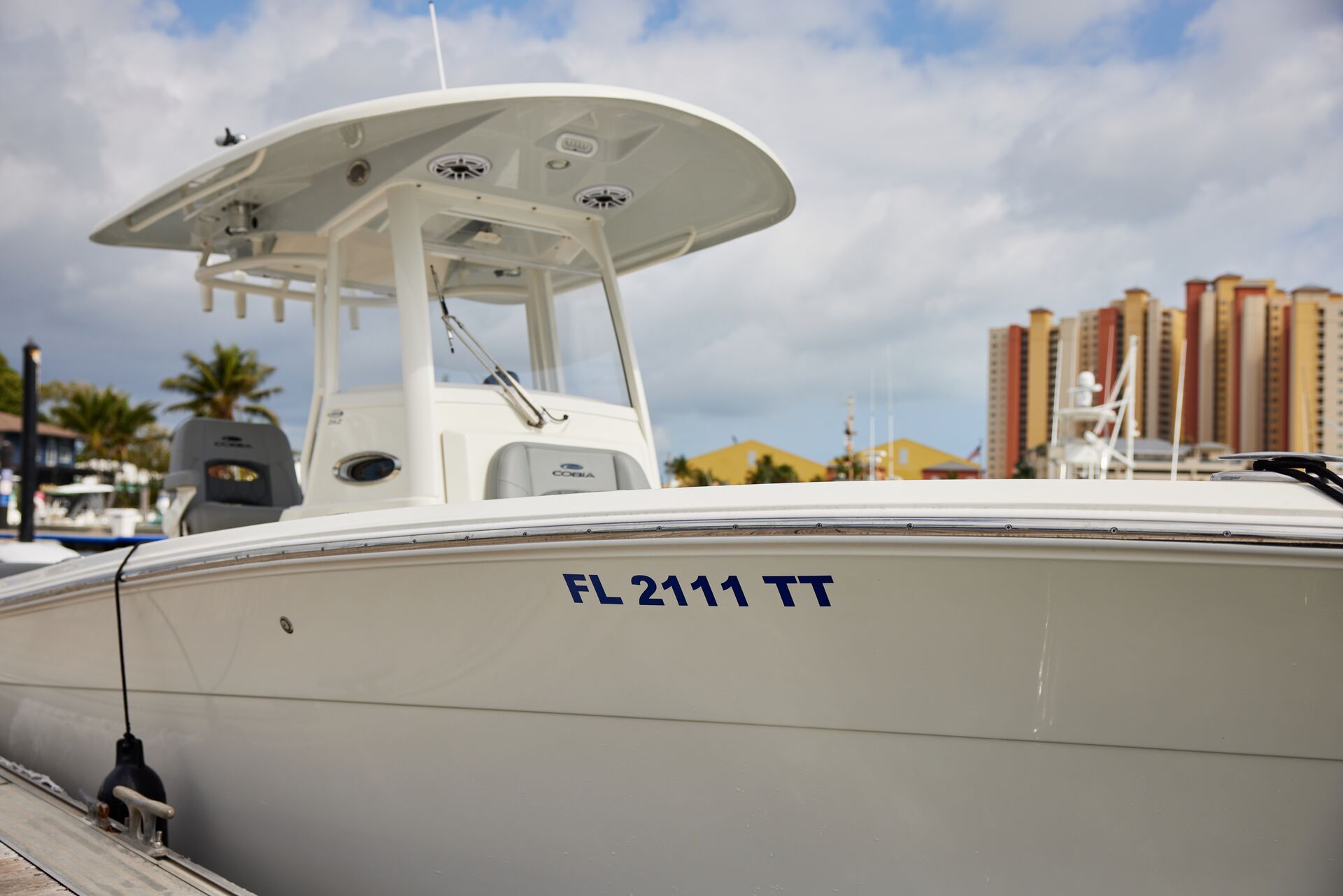
- Your vessel's Hull Identification Number (HIN)
- The value of your boat, which may include the purchase price and current market value
- Where you will use and store your boat (freshwater vs. saltwater environments, marina vs. trailer, etc.)
- Any safety features or modifications to your vessel
Each insurance carrier may have slightly different requirements or additional conditions. Where you live, the type of hull on your boat, and other factors can significantly impact your insurance.
What Does Boat Insurance Normally Cover?
Generally, boat insurance covers physical damage to the vessel and its attached equipment, and it provides liability coverage for injury or property damage to others. For example, if you're mooring or anchoring your boat and strike a dock, pier, or other object, your insurance could cover the damage from the collision.
Your insurance may also cover medical payments for injuries to you and your passengers, and it may protect you in the event of an accident with an uninsured or underinsured boater. If you need towing or emergency assistance, your policy may cover the cost.
Most policies also offer the option to add insurance to items such as your fishing gear, personal effects, and trailer.
Does Boat Insurance Cover Hitting a Rock?
Yes, hitting a rock with your vessel is typically covered under physical damage coverage (collision or all-risk). This coverage includes accidental impacts with submerged objects such as rocks, logs, or debris.
Physical damage coverage is subject to deductibles and policy limits, and you should always check with your agent to see if it's on your policy. While working with your agent, be sure to ask about exclusions so you know what isn't covered (for example, wear and tear, or issues arising from a lack of maintenance).
What Are the Types of Boat Insurance?
There are several types of boat insurance policies and coverage. To be adequately covered, you'll need to meet boat insurance requirements and understand any add-ons or increased coverage levels.
Marine insurance coverage policies include:
- Agreed Value Policy: This policy pays the insured value of the boat if it's totaled.
- Actual Cash Value Policy: A policy of this type pays the depreciated value at the time of the loss.
- Liability Only: Liability only covers the damages you cause to others, but not damages to your boat.
- Comprehensive/All-Risk Coverage: This provides coverage for a wide range of accidental losses, and it offers the most comprehensive level of protection for your vessel.
- Specialty Add-Ons: If you need or want coverage for fishing equipment, watersports liability, towing, or other needs, you may be able to add it to your policy.
Remember, whether you need boat insurance isn't necessarily the same as whether you should have it to keep yourself, your passengers, and your vessel safe.
What Is the Average Boat Insurance Cost?
The average boat insurance cost typically ranges from $200–$600 annually for smaller boats and PWCs. If you own a larger, high-performance, or luxury boat, you may need to pay thousands of dollars per year for insurance.
Cost factors include the type, size, age, and value of your boat, as well as where and how it's used (for example, in coastal or inland environments). Other factors to consider include your level of boating experience, any prior claims you've had, and the coverage limits and deductibles you're seeking.
How to Get Insurance for a Boat or PWC
To get insurance for your vessel, gather your personal information and boat details. It's a good idea to compare quotes from multiple insurers and look for those that specifically advertise marine policies.
Next, decide on the coverage type you want (liability only vs. comprehensive), and ask about discounts for a boating safety course, bundled policies, or safety equipment. Then, apply for coverage.
Once you provide documentation and pay your premium, you'll be covered. It's essential to review your policy annually to keep your coverage aligned with the boat's value and usage. You can get started on insuring your boat with a quote from Progressive.
Learn More About Safe Boating Practices with a Boater Education Course
Along with insuring your boat, you can increase your safety on the water by taking a boater education course!
When taking an online boater safety course through ilearntoboat, not only will you learn about navigation, etiquette, and other aspects of boating, but you'll be more prepared and have additional peace of mind during your adventures on the water. Plus, most states require boat operators to pass a boater safety course to hit the water legally.
Be safer on the water by taking the ilearntoboat boater education course for your state!
Frequently Asked Questions (FAQs)
We have answers to common questions about boat insurance!