How Do I Learn to Drive a Boat? A Step-By-Step Guide
Whether you're spending time by yourself in a small boat or taking passengers with you in a larger vessel, knowing how to operate your boat safely can mean a better time on the water and a safe return to the dock.
If you're wondering, "How do I learn to drive a boat?", the answer involves several key considerations. It's essential to learn safe boating practices—including the use of a boat kill switch, life jackets, and navigational aids—to protect yourself and others.
Here's what you need to know to drive your vessel and enjoy safe boating adventures.
How Hard Is It To Learn To Operate a Boat?
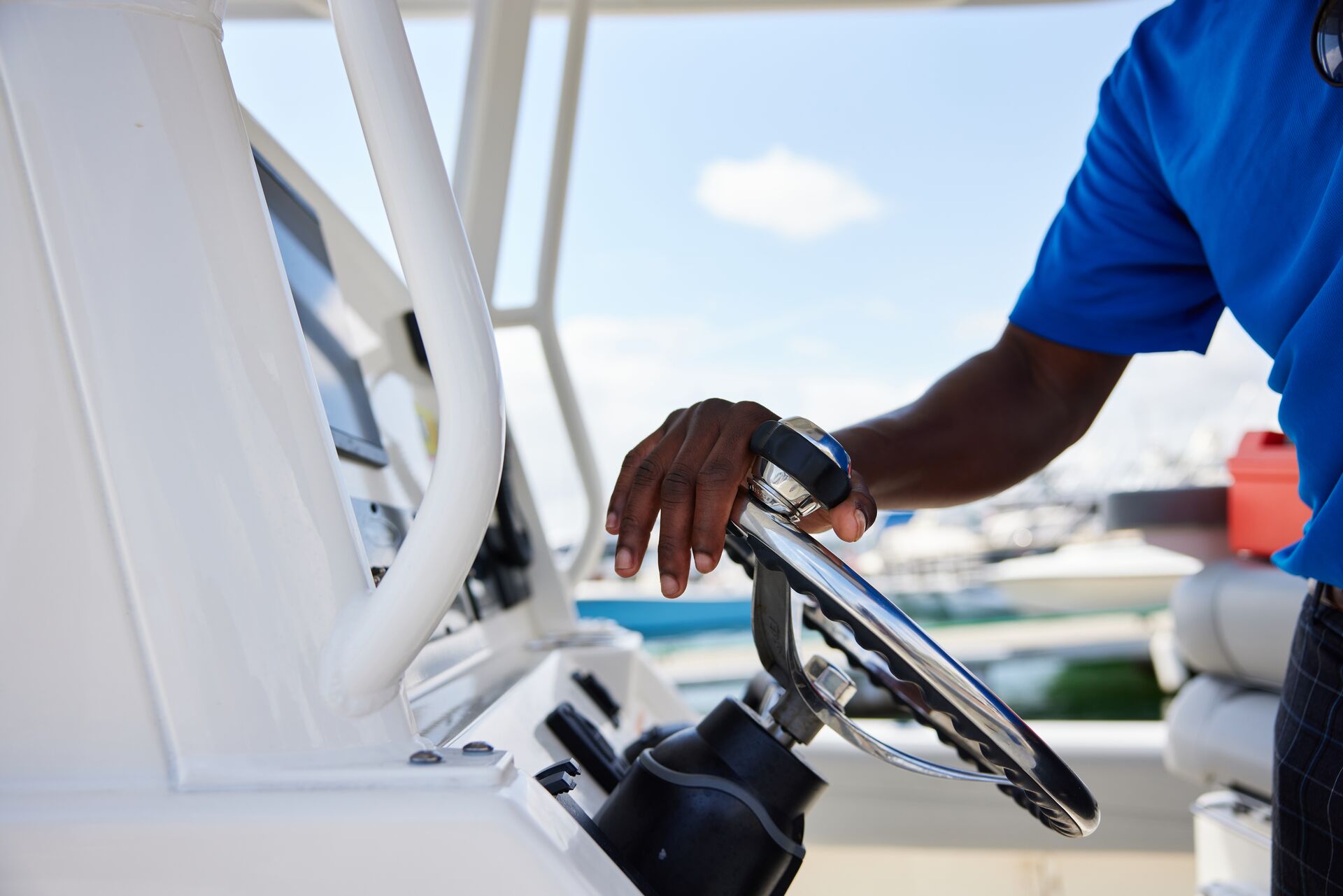
Operating a boat, especially a smaller one, is easier than it looks. Basic controls, such as throttle and steering, are simple, but it requires practice to successfully learn to operate a boat.
In some ways, operating a boat is more difficult than driving a car. Boats don't have brakes, and they're affected by wind, currents, and waves. When you want to learn how to operate a boat, practice and boating education can be the keys to building your confidence.
What's the Easiest Boat To Drive?
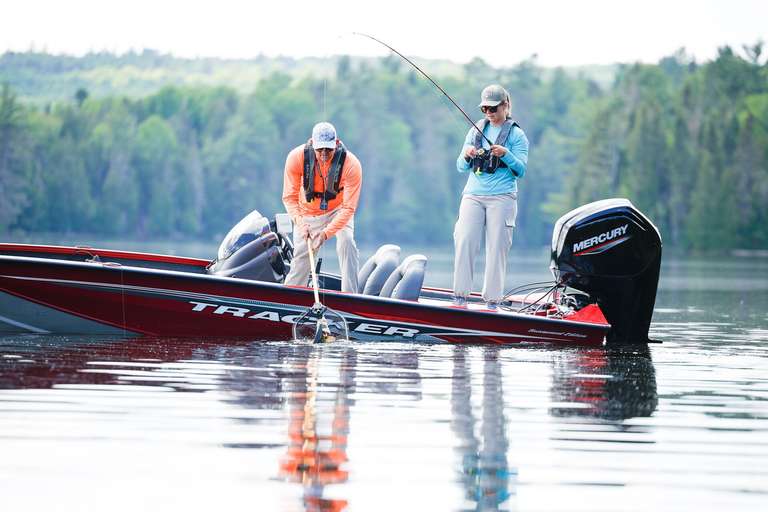
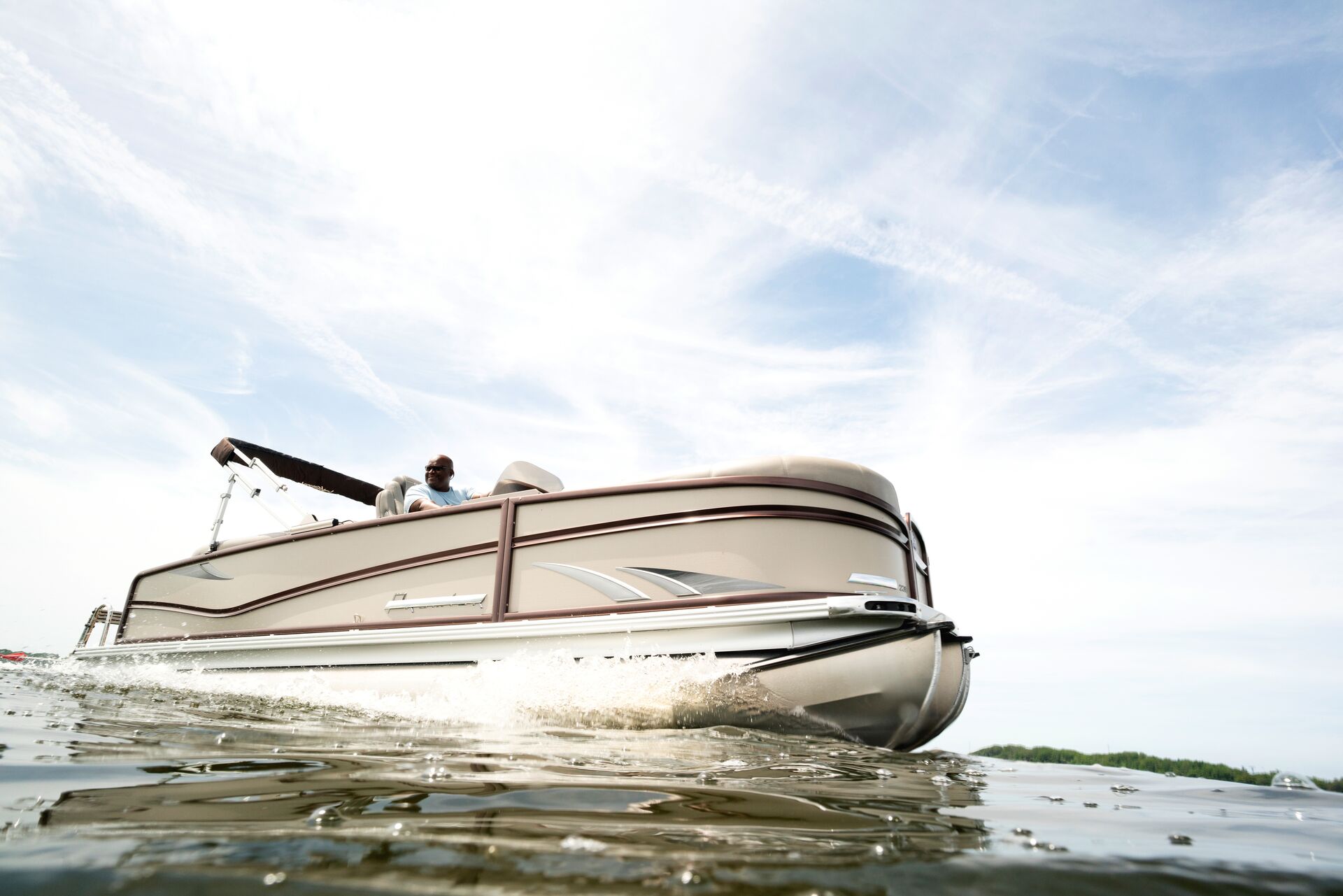
The easiest boats to drive are small outboard-motor boats of 10–20 feet. Driving a pontoon boat is also relatively easy because these vessels are stable and forgiving, making them an excellent choice for beginners.
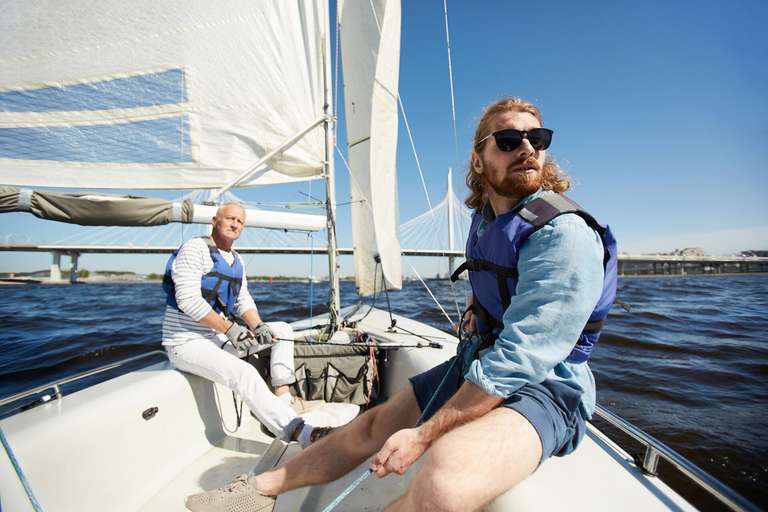
Sailboats can be challenging due to the complexities of their sails and rigging, as well as variables related to wind.
If you're looking for something simple to maneuver, consider a jet ski or personal watercraft (PWC). However, keep in mind that these require quick reflexes and may not be ideal for beginners.
How Old Do You Have To Be To Drive a Boat?
Age requirements vary by state and country. In many U.S. states, you must be 12–16 years old—and have taken a boating safety course—to operate certain types of boats.
In some areas, younger children may be allowed to drive a boat under adult supervision. Check your local boating regulations before you learn how to operate a boat, so you can feel confident that you're following the rules.
Most locations require a boating license or boating safety card, which you can obtain by taking a class, passing a test, and paying a fee. The cost of a boating license in the U.S. isn't high, but it does vary by location. Check with your state for accurate pricing.
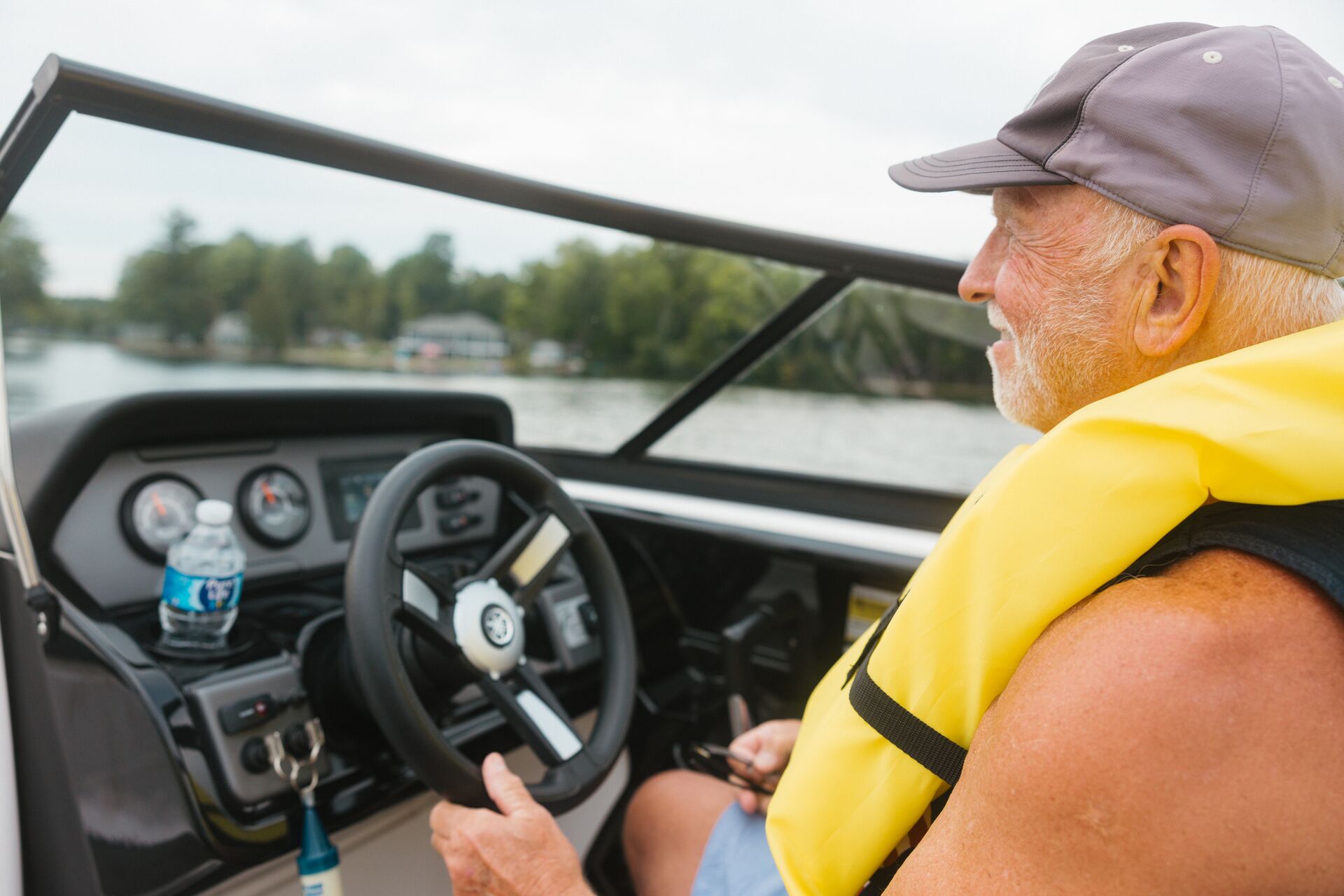
How Do I Learn To Drive a Boat? 6 Steps
So, if you're still asking, "How do I learn to drive a boat?" here are six steps to getting behind the helm of a boat.
1. Get Boating Education
One of the first things you can do to protect yourself and others is to take an online or in-person boating safety course. Boating education will teach you the rules of navigation, prepare you for emergencies, and help you feel more confident on the water.
2. Before You Start
Before getting started, focus on safety. Wear a life jacket and ensure all your passengers do the same.
Then check for any approaching bad weather with a boating weather app. Wind, waves, and currents all play a role in operating your boat.
Don't leave the dock without attaching the kill switch lanyard. The kill switch will stop your boat's engine if you accidentally fall overboard.
3. Getting Moving
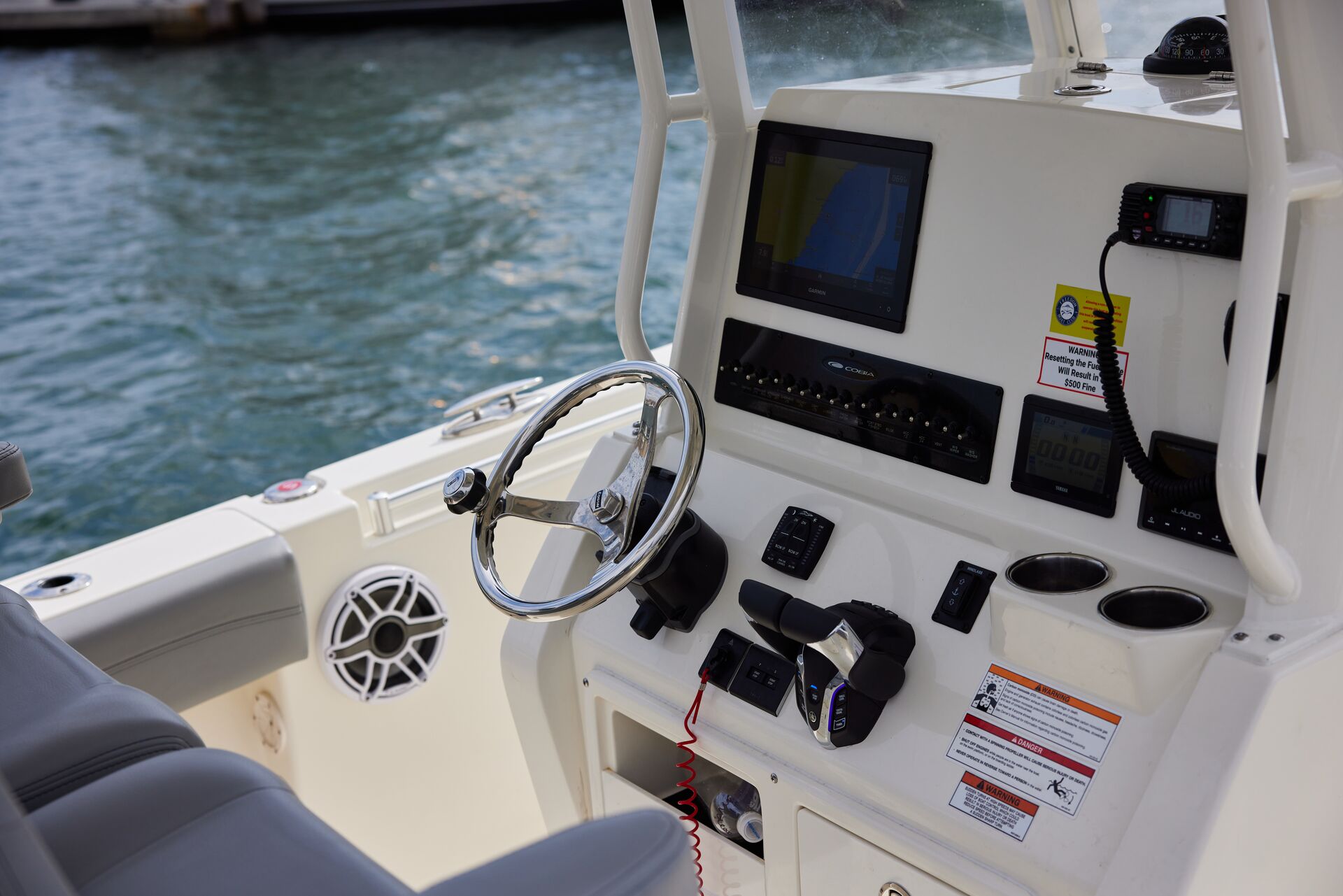
Start the engine in a safe, open area, and gently move the throttle forward to engage your vessel's gear. Then, take some time to practice steering.
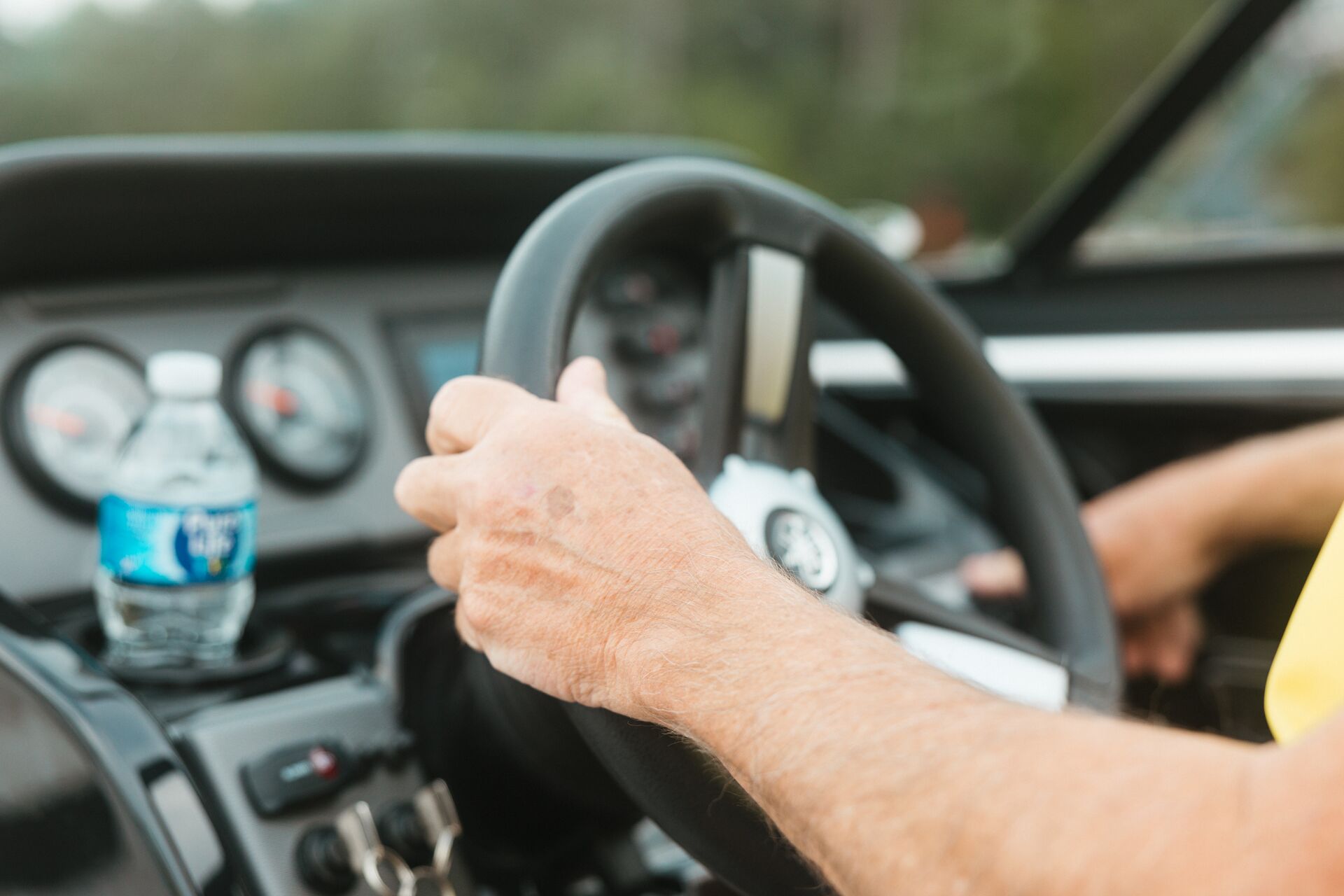
Learn how the throttle responds at low speeds before you decide to go any faster or get closer to other boaters or objects in the water.
4. Steering and Handling
Remember that the stern of your boat swings outward when turning. Boats also drift due to momentum, and you'll need to anticipate that movement.
Once you're comfortable in open areas, practice maneuvering at low speeds around a fixed object. This type of practice will help you become more comfortable in smaller, tighter spaces.
5. Slowing and Stopping
There are no brakes on a boat, so you'll need to use the throttle to reverse or put your boat into neutral to slow down or stop. Reverse gear can help you stop your boat, but neutral is better for coasting.
Over time, you'll also learn how to use momentum and drift to your advantage.
6. Handling Different Conditions
If there are waves, maintain a steady speed and steer at an angle into them. In windy conditions, you can compensate with small throttle and steering corrections.
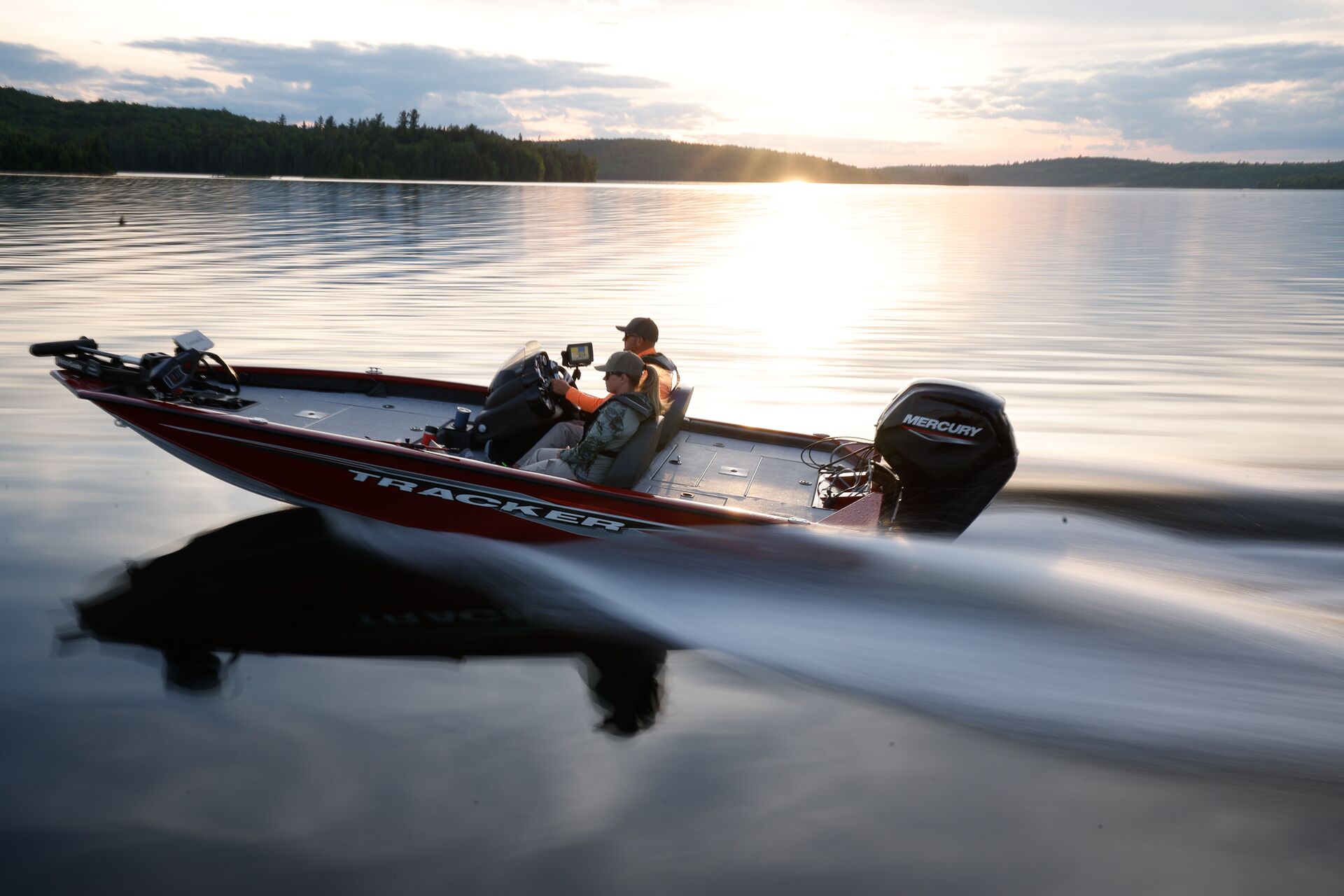
Drive a Boat Safely With Boater Education
We hope these tips help you learn to operate a boat! There's nothing quite like getting behind the helm and coasting along the water on a beautiful day.
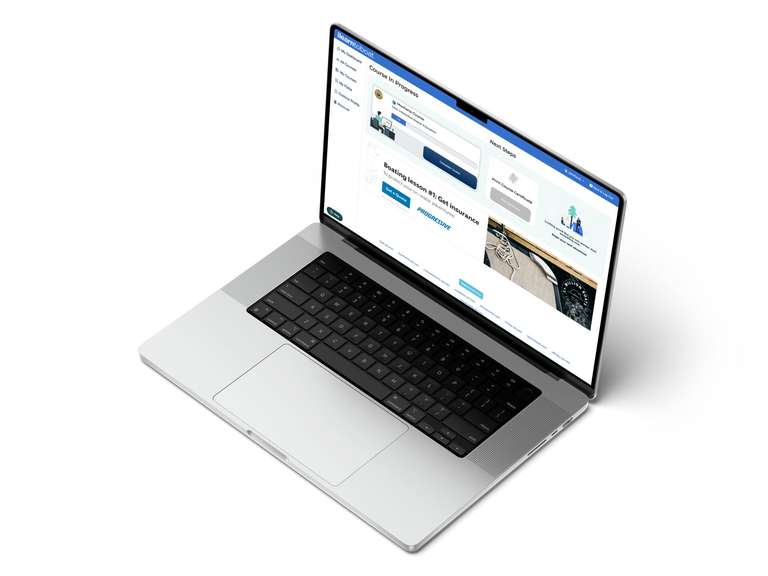
One of the best ways to prepare for driving a boat is to take a boater education course. When you take an online course through ilearntoboat, you'll learn about emergencies, navigation, etiquette, and much more, so you can make the most of your boating experiences every time you're on the water.
Plus, you'll meet your state's requirements for boater education to operate a motorized vessel legally and safely every time you leave the dock.
Ready to learn to drive a boat?
Start by taking the ilearntoboat boater education course for your state!
Frequently Asked Questions (FAQs)
We have answers to common questions about learning to drive a boat!
Q: How hard is it to learn to drive a boat?
A: It's not very hard to learn to drive a boat. Most beginners get comfortable quickly, especially on calm water. The basics (steering, throttle, docking) can be learned in a few hours.
Q: What's the easiest boat to drive?
A: Small outboard-powered boats and pontoon boats are usually the easiest boats to drive because they’re simple, stable, and highly maneuverable.
Q: How old do you have to be to drive a boat?
A: Age requirements to legally drive a boat vary by state or country. However, many places allow boating at 12–16 years old with a safety course. Check your local laws.
Q: How long is the boater’s education course?
A: Most online or classroom boating education courses take 3–6 hours to complete, though some are self-paced.
Q: Is a boating license hard to get?
A: No, a boating license is not hard to get. As long as you complete the safety course and pass a straightforward exam, getting certified is generally easy.
Q: Can you drive a boat with just a driver's license?
A: Usually, no—a driver’s license doesn’t replace a boating safety certificate. Some regions don’t require a license for certain boats, but many do. Always verify local regulations.
Learn to operate a boat safely by taking the ilearntoboat boater education course for your state!