Infant Life Jackets: How to Find the Right Fit
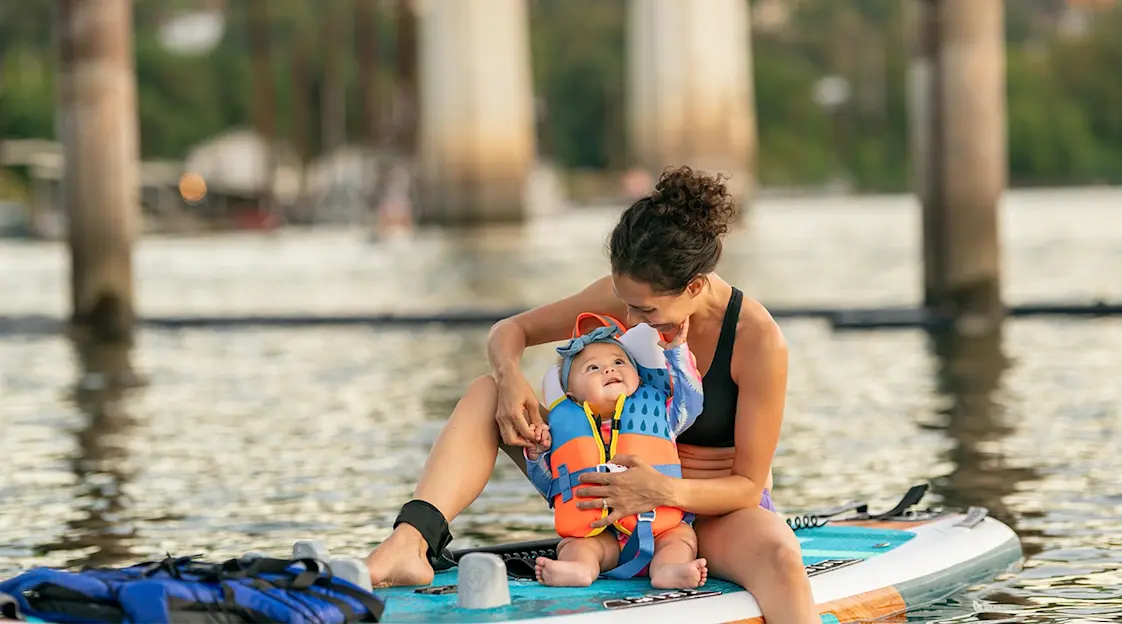
Keeping yourself and your passengers safe is a vital element of any boating adventure. Everyone can have a safer time on the water if you bring a life jacket for every passenger, including yourself, as well as infant life jackets if there are babies on board.
The primary purpose of a life jacket or other personal flotation device (PFD) is to keep the wearer afloat until help arrives. To achieve this, the life jacket must fit properly. It's crucial to have jackets in the right style and size, especially for babies and children.
Here's what you need to know about choosing the right life jacket for your little one!
What Type of Life Jacket Is Safest for Infants?
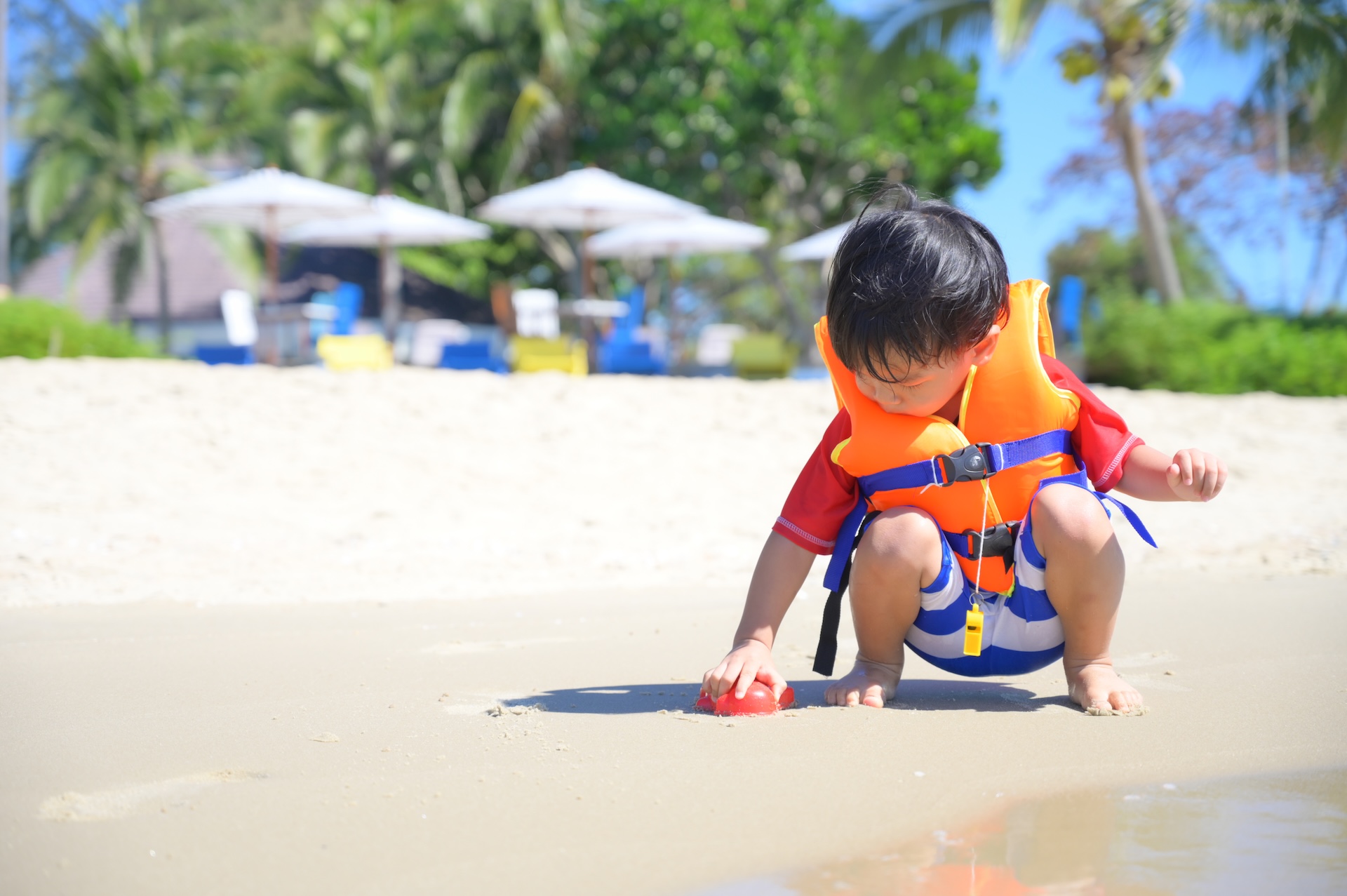
A U.S. Coast Guard–approved Type II device is generally the best infant life jacket. These infant life jackets turn most wearers face-up in the water, even when they're unconscious, making them more likely to protect an infant who can't swim.
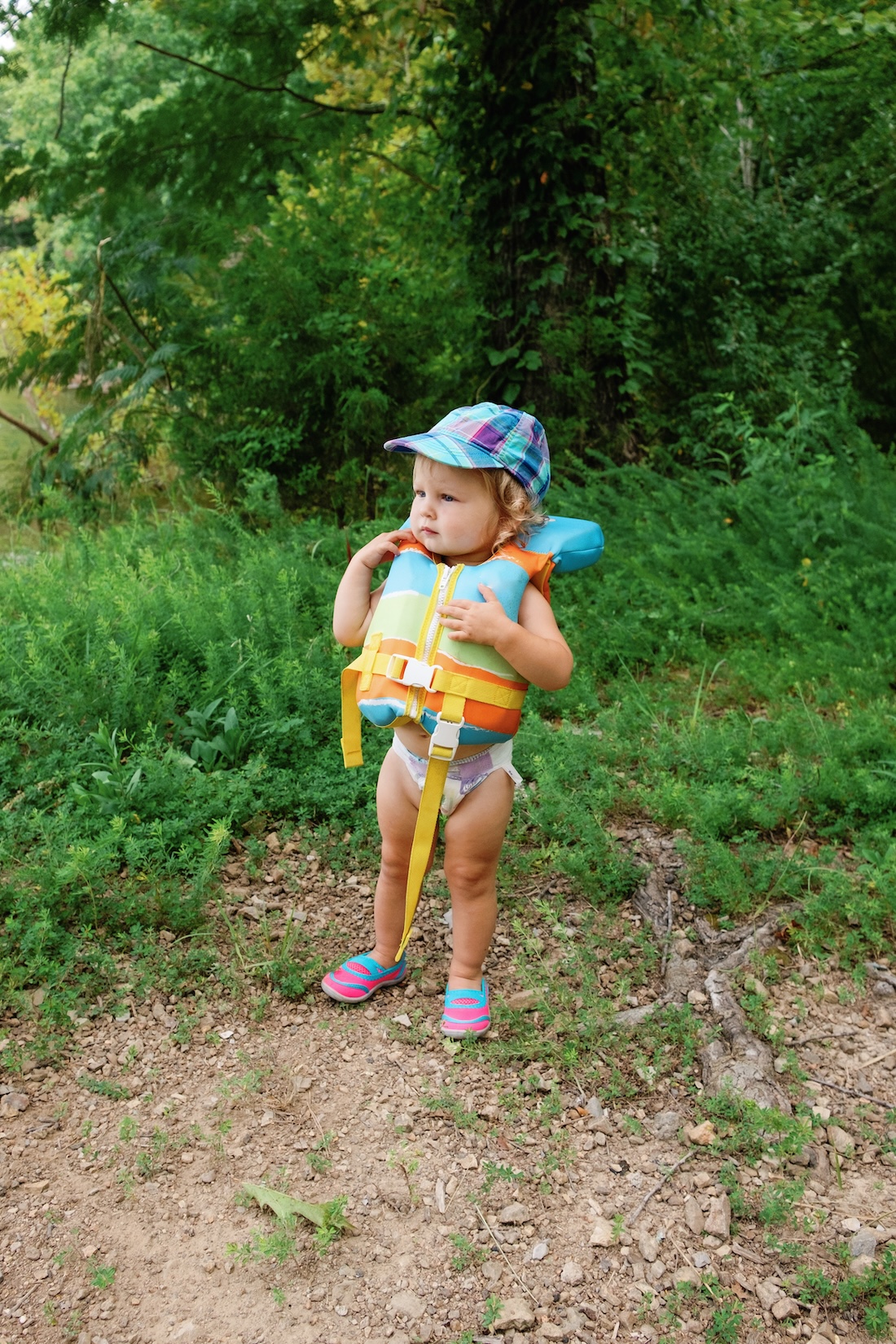
These life jackets also feature padded head support to help keep a baby's head above water and a grab strap for fast retrieval in the event of a rescue. To keep the jackets from riding up, these models also include a crotch strap.
Weight and Size Guidelines for Infant Life Jackets
Life jackets for infants and children typically have ratings and sizes based on weight, rather than age. Infant life jackets are suitable for babies weighing 8–30 pounds.
It's crucial to check the manufacturer's label on any life jacket you choose for a baby or child to get the best fit for their size. A properly fitted life jacket should be snug on your infant or child but not restrict their breathing.
If your baby weighs less than eight pounds, experts generally recommend that they stay onshore rather than board a boat. Even the smallest infant life jacket won't fit a baby of this size correctly—and that could put them at risk.
Differences Between Infant, Child, and Youth Life Jackets
There are some specific differences between infant life jackets and those designed for children and young adults.
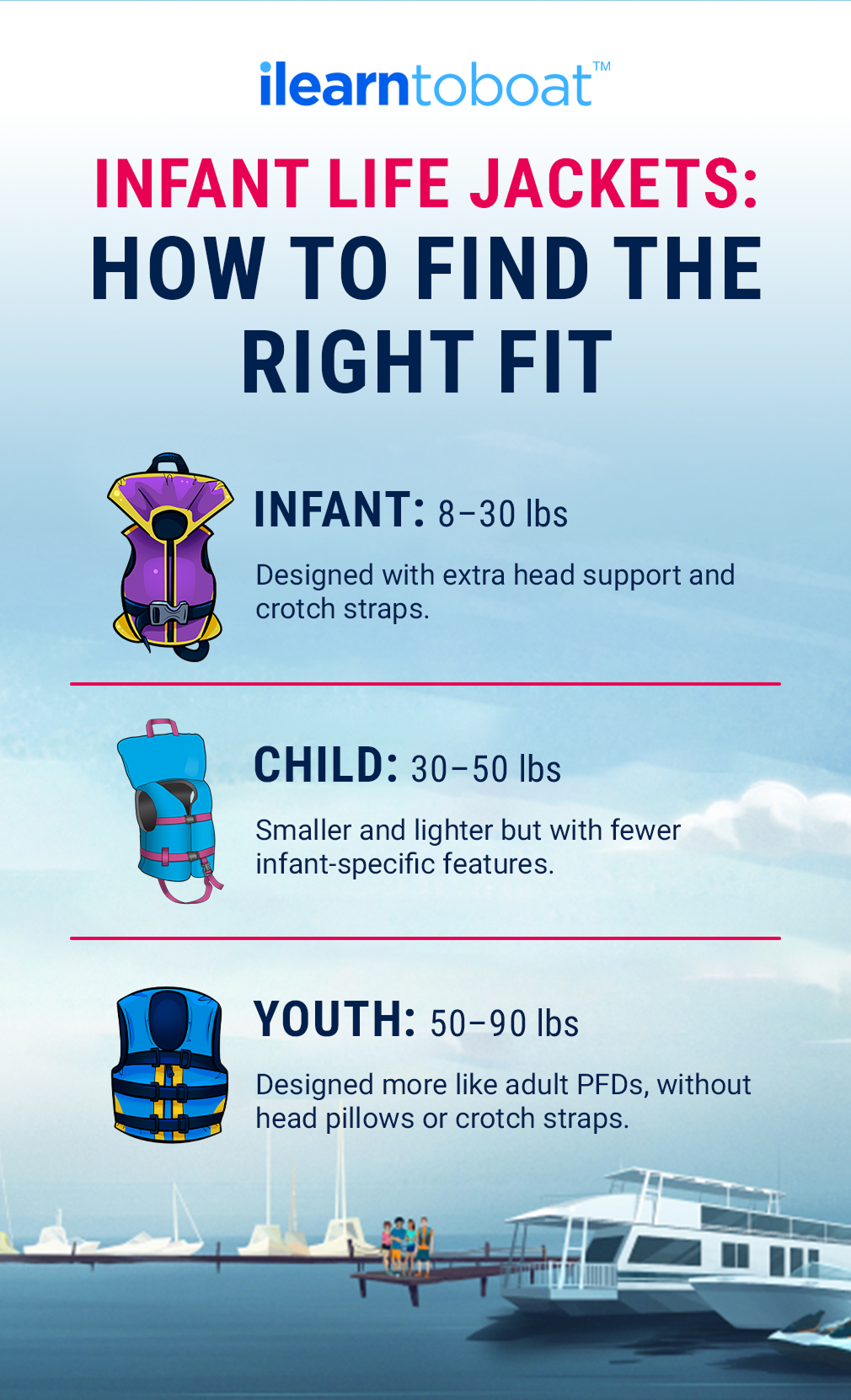
- Infant life jackets are for wearers weighing 8–30 lbs and are designed with extra head support and crotch straps.
- Child life jackets are for children of 30–50 lbs. These have fewer infant-specific features, and they're smaller and lighter than adult life jackets.
- Youth life jackets are for wearers of 50–90 lbs, and their design is more similar to adult PFDs without head pillows or crotch straps.
By choosing the right life jacket for each passenger's body size and weight, you can help reduce risk and increase everyone's safety.
At What Age Can a Baby Wear a Life Jacket?
When choosing a life jacket for your baby, the age of your infant is less important than developmental readiness factors—such as neck strength or their ability to hold their head up independently—and weight.
Do Infants Need Coast Guard–Approved Life Jackets?
Yes: when it comes to infant life jackets, only Coast Guard–approved models meet the required safety standards for flotation and performance.
If you search online for "baby life jacket Coast Guard approved," you'll find several options—but make sure to verify that you're purchasing an approved flotation device. Non-approved "swim vests" or flotation toys are not safe substitutes for life jackets.
Coast Guard Approval Infant PFD Requirements
To be Coast Guard-approved, infant PFDs need to meet several key requirements. They have to include a U.S. Coast Guard approval label, head support, crotch straps, and grab loops. These PFDs must be designed to turn an unconscious infant face-up and tested for buoyancy, durability, and stability in water.
If you're considering a life jacket or swim vest for your infant that doesn't meet all these requirements, it's best to choose a different option. Much like choosing a life jacket for your dog, selecting a PFD for your infant requires attention to specific details; a standard, adult PFD won't keep them safe.
How Should an Infant Life Jacket Fit?
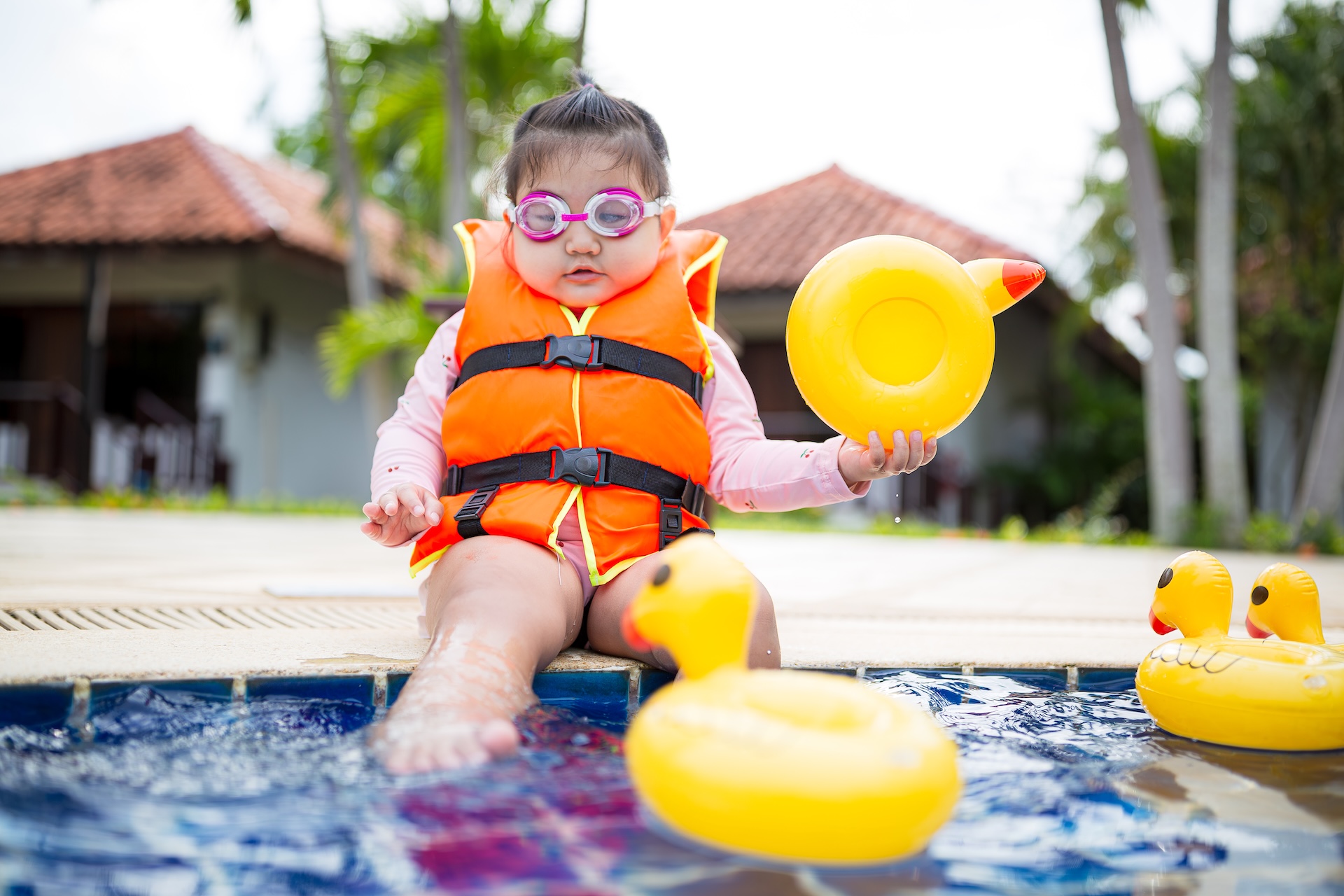
Infant life jackets should be snug but comfortable. They shouldn't slip over the chin or ears when you lift them by the shoulders. Remember to always secure the crotch strap to prevent the jacket from riding up.
The life jacket must also offer proper head support to keep an infant's chin above water. Before heading out on a boat with your baby, try the jacket in shallow water to confirm it functions as intended.
Safety Tips for Boating With Infants
To keep your infant as safe as possible while boating, consider these essential safety tips:
- Avoid boating with infants who are less than six months old or weigh less than eight pounds.
- Always have your infant wear a Coast Guard–approved PFD.
- Keep infants shaded, cool, and hydrated, as boats can expose them to excessive heat and sunlight.
- Never leave your infant unattended on a boat.
- Choose calm waters and short trips.
- Have a plan for emergencies, including easy access to the life jacket's grab handle.
By following these guidelines, you can reduce any risk to your infant while boating and enjoy your time on the water.
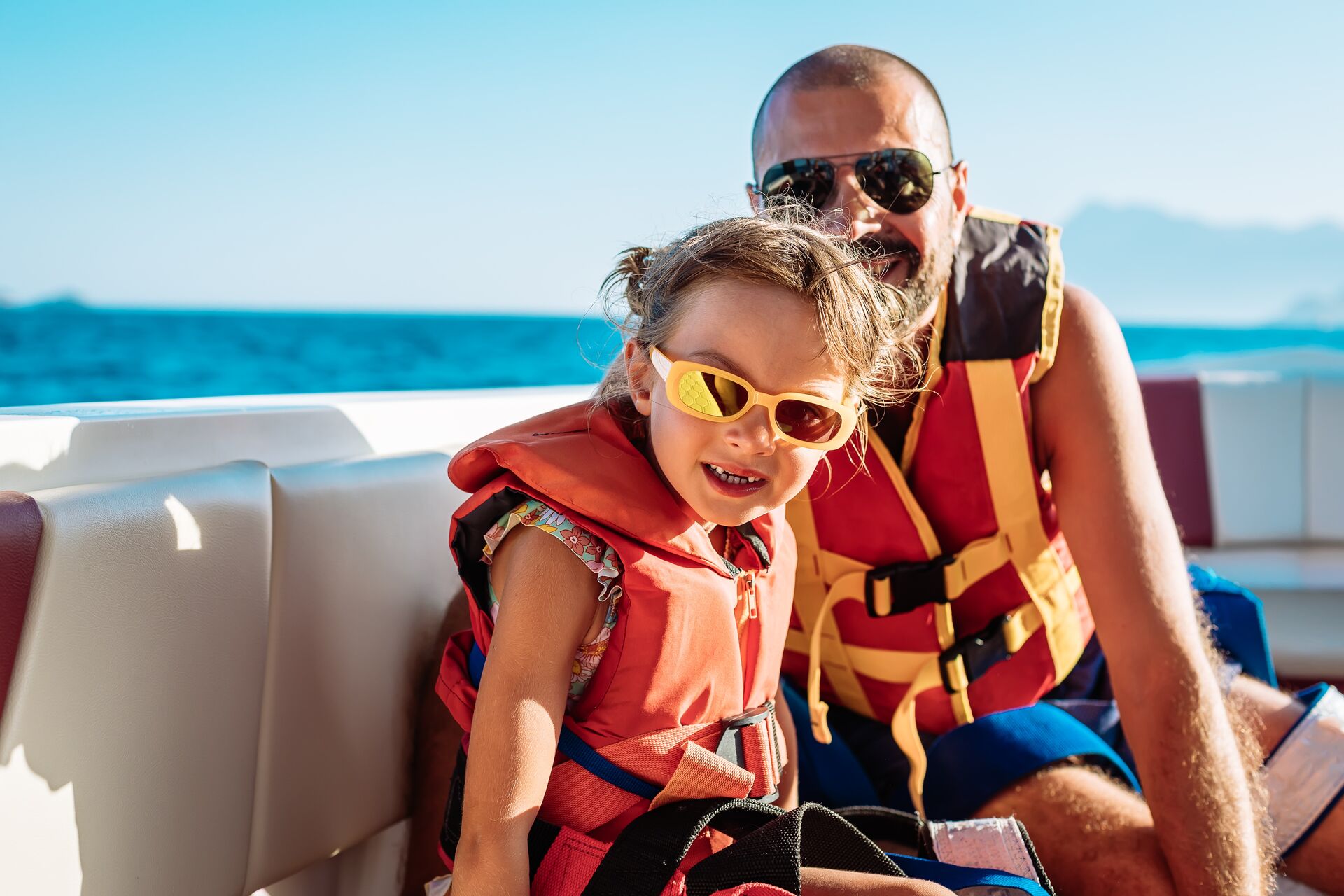
Protect Passengers of All Ages With Life Jackets and a Boater Education Course
We hope these insights help you choose the right infant life jackets for your young ones! Ensuring everyone on board has a properly-fitted life jacket is crucial to keeping everyone safe when on the water.
Before heading out for a boating day with your infant, it's also crucial to take a boater education course. ilearntoboat makes it fun and easy to learn about safety on the water, navigation, etiquette, and more. Plus, our online courses are state-specific and help you meet your state's requirements for boater education!
Before taking your boat out with friends, family, or kids on board, take the ilearntoboat boater safety course for your state.
Frequently Asked Questions (FAQs)
We have answers to common questions about infant life jackets!
Q: What type of life jacket is safest for infants?
A: The safest life jacket for infants is a U.S. Coast Guard–approved Type II infant life jacket (for under 30 lbs) with a head support collar and crotch strap.
Q: At what age can a baby wear a life jacket?
A: Infant life jackets are made for babies weighing under 30 lbs, often fitting babies from around 8–12 lbs and up, depending on size and manufacturer.
Q: Do infants need Coast Guard–approved life jackets?
A: Yes, infants should always use a USCG-approved infant life jacket for any boating activity.
Q: How should an infant life jacket fit?
A: An infant life jacket should be snug, include a crotch strap, provide good head support, and allow the baby to float face-up. The jacket shouldn’t slide over the baby’s chin or ears when lifted gently by the shoulders.
Q: Can a 2-month-old baby go on a boat?
A: It’s generally not recommended for a 2-month-old baby to go on a boat. Most safety agencies advise waiting until the baby is big enough to properly fit an approved infant life jacket, which very young infants usually can’t do.
Make sure you're boating safety certified before operating your boat!
Take the ilearntoboat boater safety course for your state.