Electric Boat Safety: What to Know Before Hitting the Water
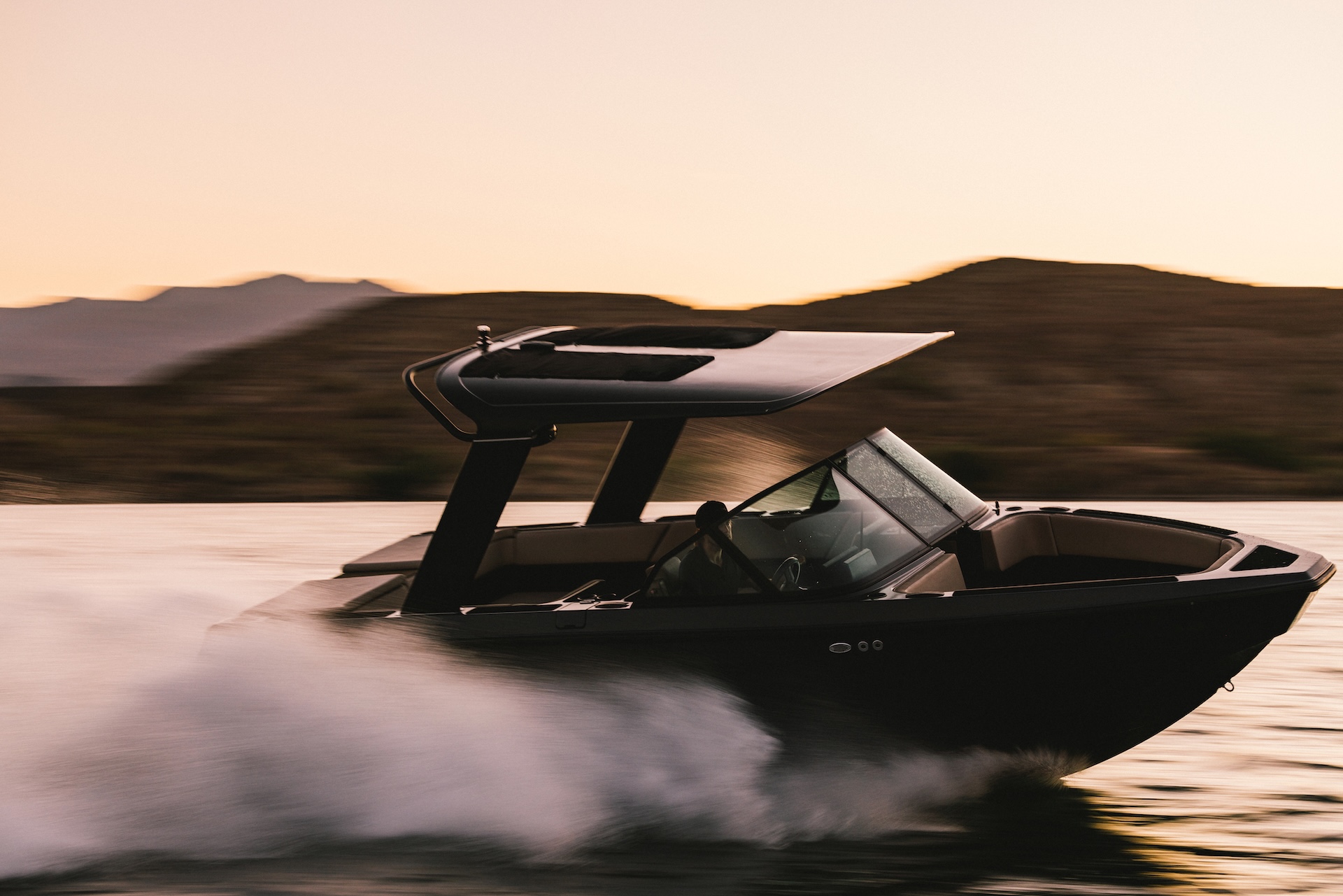
If you're thinking about hitting the water for a day of adventure, sailboats or vessels with gas motors aren't your only options. You can also choose to go electric!
With some knowledge of electric boat safety, information from an online boating safety course, and the right equipment, you can have a great time. If you're considering buying or renting an electric boat, read on to learn the basics of eco friendly boating.
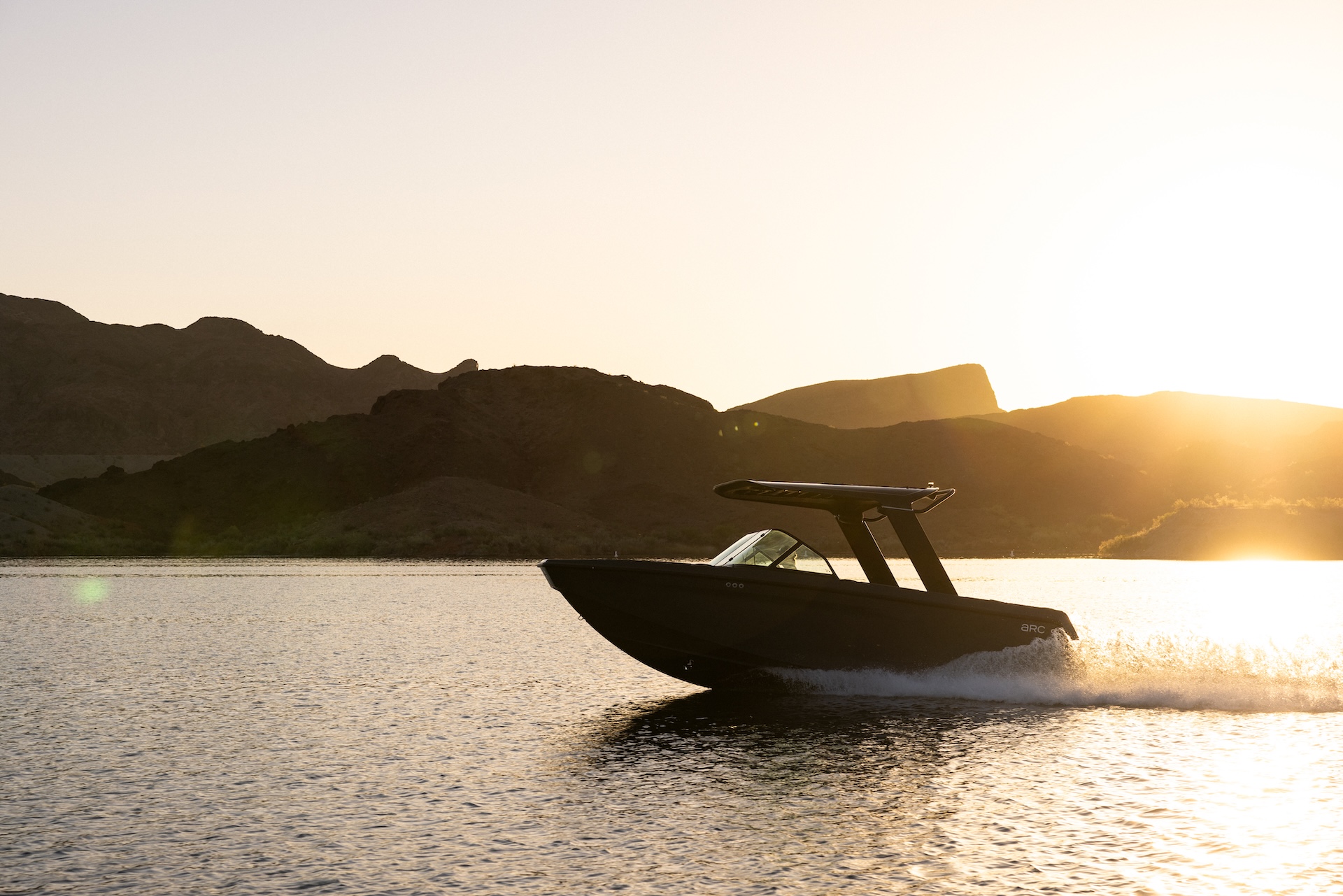
What Is an Electric Boat?
An electric boat gets power from one or more electric motors rather than an internal gas- or diesel-powered combustion engine. Electric vessels use rechargeable batteries (typically lithium-ion) as their primary energy source.
Electric boats are great for recreation, ferries, fishing, and other typical maritime activities, and they're becoming more popular. They're efficient and environmentally friendly, and they have the added benefit of not requiring winterization.
Disadvantages of an Electric Boat vs Gas Boat
In the electric boat vs gas boat debate, there are some disadvantages to choosing electric, namely:
- A limited range compared to gas-powered vessels
- A longer refueling time, as charging an electric boat isn't as fast as a gas fill-up
- Higher upfront costs, especially for larger-capacity batteries
- A charging infrastructure that's less widespread than fuel docks
- A heavier weight from battery packs, which reduces the payload capacity
- Variable performance depending on weather, water conditions, and load
These disadvantages aren't necessarily insurmountable, but you should be aware of them when deciding whether an electric boat will work for you.
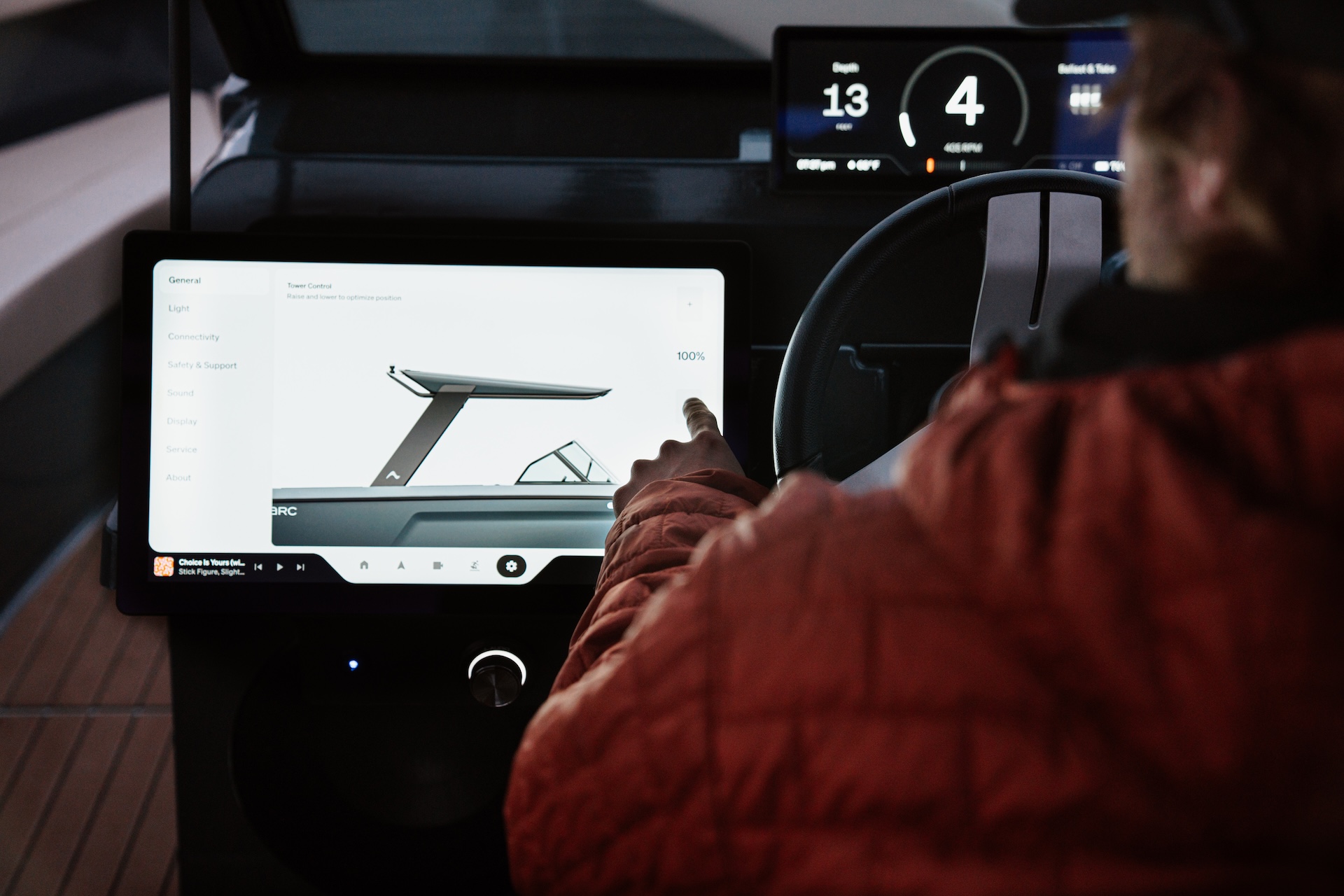
Electric Boat Safety Advantages
There are also many advantages to having an electric boat, most of which center on the safety of operators, passengers, other vessels, and the environment.
Reduced Fuel Risks
There's no risk of fuel spills or leaks into the water with an electric boat, and operating one also eliminates the danger of gasoline vapors igniting. An electric boat motor makes your vessel less flammable than using liquid fuel, so there's far less risk of a boat fire.
Lower Noise Pollution
Electric vessels are quieter than their gas-powered counterparts, helping protect hearing and reduce disturbances to wildlife. The lack of engine noise can also make for a more enjoyable passenger experience.
Improved Air Quality
Electric boats don't create emissions while operating. As a result, you and your passengers won't inhale harmful exhaust fumes. With no exhaust fumes, these boats are better for enclosed spaces and environmentally sensitive waterways.
Fewer Moving Parts
Because electric motors have fewer mechanical parts that can fail, they're less likely to break down—which means fewer safety hazards and lower maintenance requirements.
Built-in Safety Features
Many electric boating systems feature automatic shut-offs, thermal protection, and monitoring. Electric battery management systems prevent overcharging and overheating, and electric boat motors often feature backups for critical components, reducing your chance of being stranded due to an equipment failure.
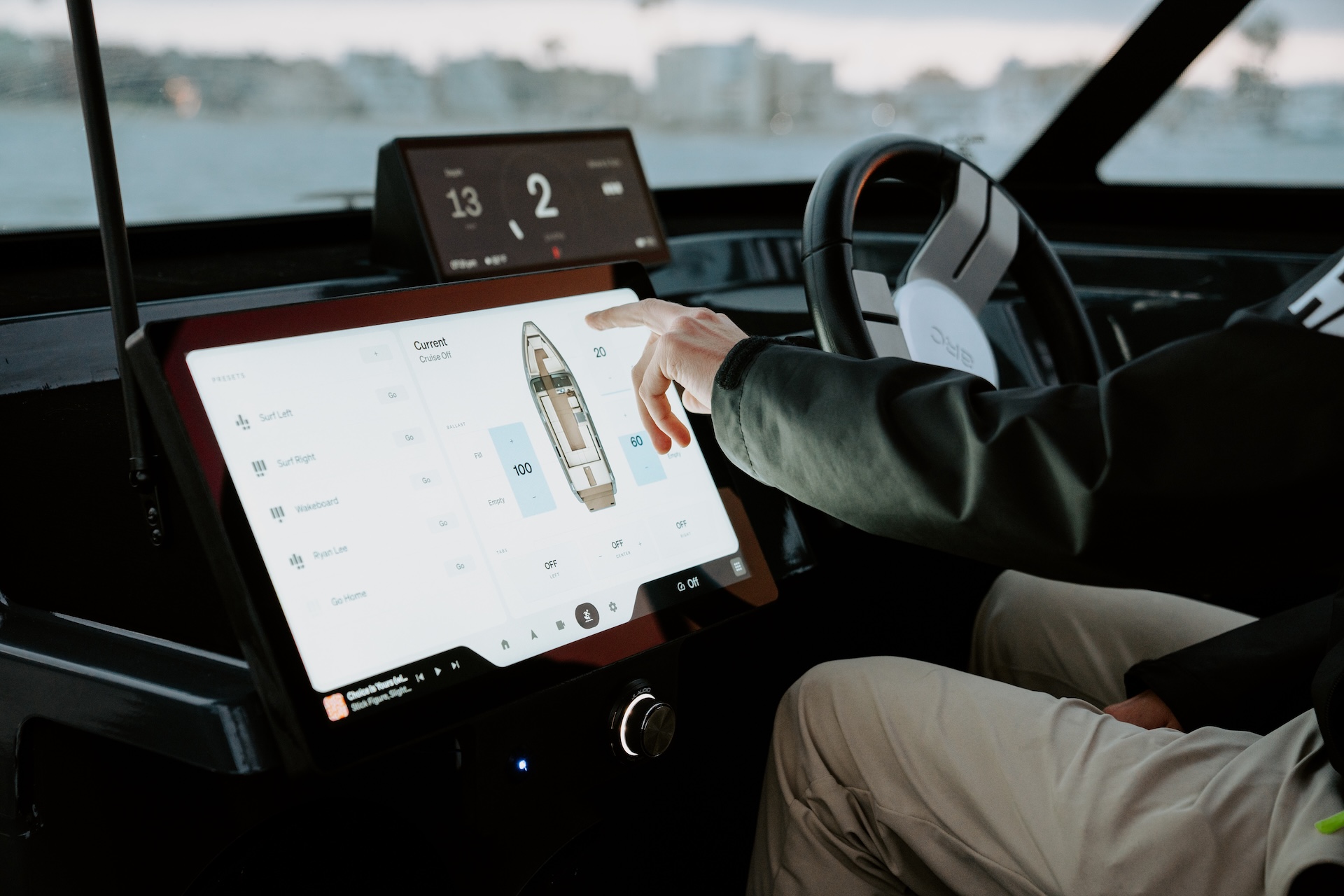
Things to Consider
Electric boat safety requires an understanding of the limitations of current technology and the responsibilities that come with owning and operating this unique type of boat.
Battery Technology
The technology enabling vessel batteries is still evolving, and there are limits on capacity, weight, and cost. Additionally, these batteries degrade over time, reducing your travel range. Replacing them can be expensive.
Charging Safety
You'll need proper charging stations and cables, and there's a risk of electrical hazards if you don't properly maintain the batteries and vessel. Because you'll be charging near water, you'll need to follow strict safety standards.
Proper Installation
Improper battery installation can increase the risk of electrical failures and fires, so be sure to follow marine safety codes and guidelines. For proper setup and maintenance, work with technicians skilled in electric boats.
Real-World Testing
The technology powering electric boats is much newer than that of gas engines, and the long-term reliability of electric vessels in extreme marine conditions remains in question. Your boat might behave differently depending on factors such as water temperature and salinity.
How Long Will an Electric Boat Motor Last?
Electric motors can last 3,000-5,000 (or longer) hours with minimal maintenance, and their longevity is often superior to that of traditional gas engines. The most significant limiting factor for an electric boat motor is generally the battery lifespan, which is often 7–10 years.
With proper care—including avoiding deep discharges and overheating—you can usually extend your boat's battery life.

How Far Can an Electric Boat Go?
The range of your electric boat depends on its battery size, weight, speed, and the conditions in which you're using it.
Smaller boats can typically travel 20–50 miles per charge, while larger vessels with advanced battery packs can provide more than 100 miles of eco friendly boating. Slower speeds also mean longer travel distances, regardless of your vessel's size.
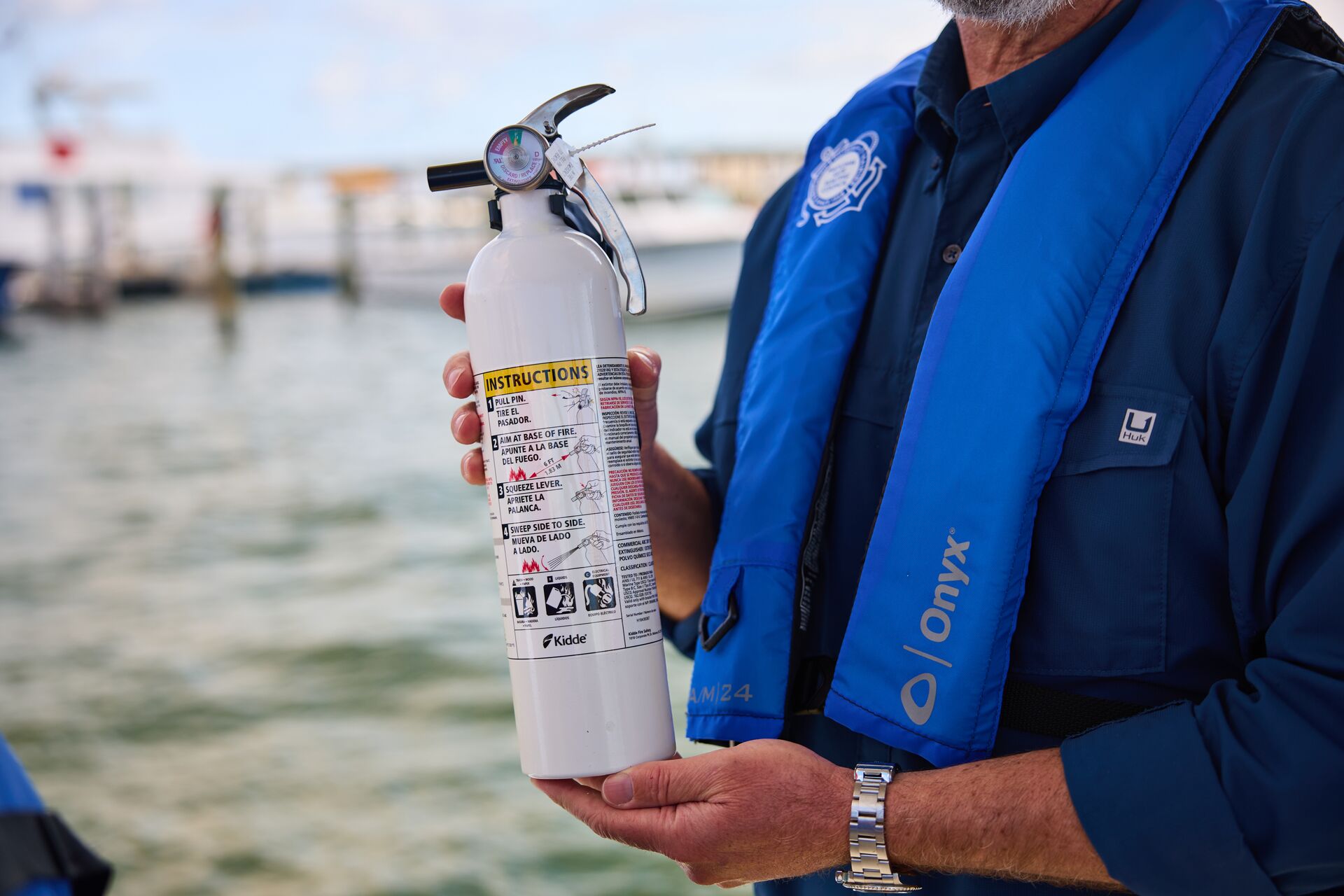
How to Stay Safe on an Electric Boat
As with any boat on the water, safety must be a priority. Here are some great ways to protect yourself and others when using an electric boat.
General Safety Practices
Taking a boater education course, wearing a properly fitted life jacket, and following all local boating regulations can help keep you safe. Keep a Class C fire extinguisher for electrical fires onboard, along with all the standard boating safety equipment, such as flares, a horn, a first-aid kit, and an anchor.
Battery & Electrical Safety
Electric boat battery safety is critical for continued, reliable use of your boat. To protect yourself and your vessel, regularly inspect batteries for swelling, leaks, or corrosion. Don't use damaged or frayed charging cables, and only use chargers approved for marine environments.
Keep the battery compartment ventilated to prevent overheating, and don't make unauthorized modifications that could overload the system. Before you perform any maintenance, turn off the motor and disconnect the power.
Charging Safety
Charge in well-ventilated, dry areas whenever possible, and ensure your charging station and cables are properly grounded. If you need to use an extension cord, be sure to choose one that's rated for marine use.
Avoid charging while passengers are swimming near the boat, and monitor the charging closely. It's not safe to leave your charging vessel unattended.
Operation Safety
To operate your electric boat safely, be aware of your range and plan trips conservatively. Monitor battery charge levels closely throughout your journey so you can turn around or adjust your trip as needed.
Operate at lower speeds when possible to conserve power, and keep a backup propulsion method—such as a paddle or small kicker motor—and a tow plan for emergencies. Remember that electric motors are quieter, so alert swimmers and other boats to your presence.
Emergency Preparedness
You need a clear plan for motor failure, and you should know how to shut down the electrical system in an emergency. Show all passengers the safety cut-off or disconnect switch, and keep emergency contact numbers and a marine radio handy. Additionally, consider a boat insurance policy, even if the law doesn't require it.

Be Safer on Any Boat with a Boater Education Course
Whether you choose an electric boat vs gas boat, safety must always be a priority when enjoying the water.
Before heading out in your electric boat, take a boater education course through ilearntoboat to learn about safety, navigation, etiquette, emergency procedures, and more. By building your skills and knowledge, you can boat with confidence, reduce risks, and enjoy the benefits of electric boating.
Plus, your state may require you to pass a boater safety course to operate a motorized vessel legally!
Boat legally and safely this season.
Take the ilearntoboat boater education course for your state.
Frequently Asked Questions (FAQs)
We have answers to your questions about electric boat safety!
Q: What are the disadvantages of electric boats?
A: The disadvantages of electric boats include higher upfront costs, limited range compared to fuel boats, longer charging times, and reduced performance at high speeds.
Q: How long will an electric boat motor last?
A: An electric boat motor will typically last for 3,000–5,000 hours of operation, depending on quality, maintenance, and usage.
Q: How far can an electric boat go?
A: Most recreational electric boat models can travel 20–50 miles per charge, though high-efficiency or larger battery systems can exceed 100 miles.
Q: How long do electric boat batteries last?
A: Electric boat batteries can last 7–12 years for lithium packs, depending on charging habits, depth of discharge, and environmental conditions.
Boat safely and legally this season!
Take the ilearntoboat boater education course for your state.