What to Do If a Boat Fire Happens on the Water
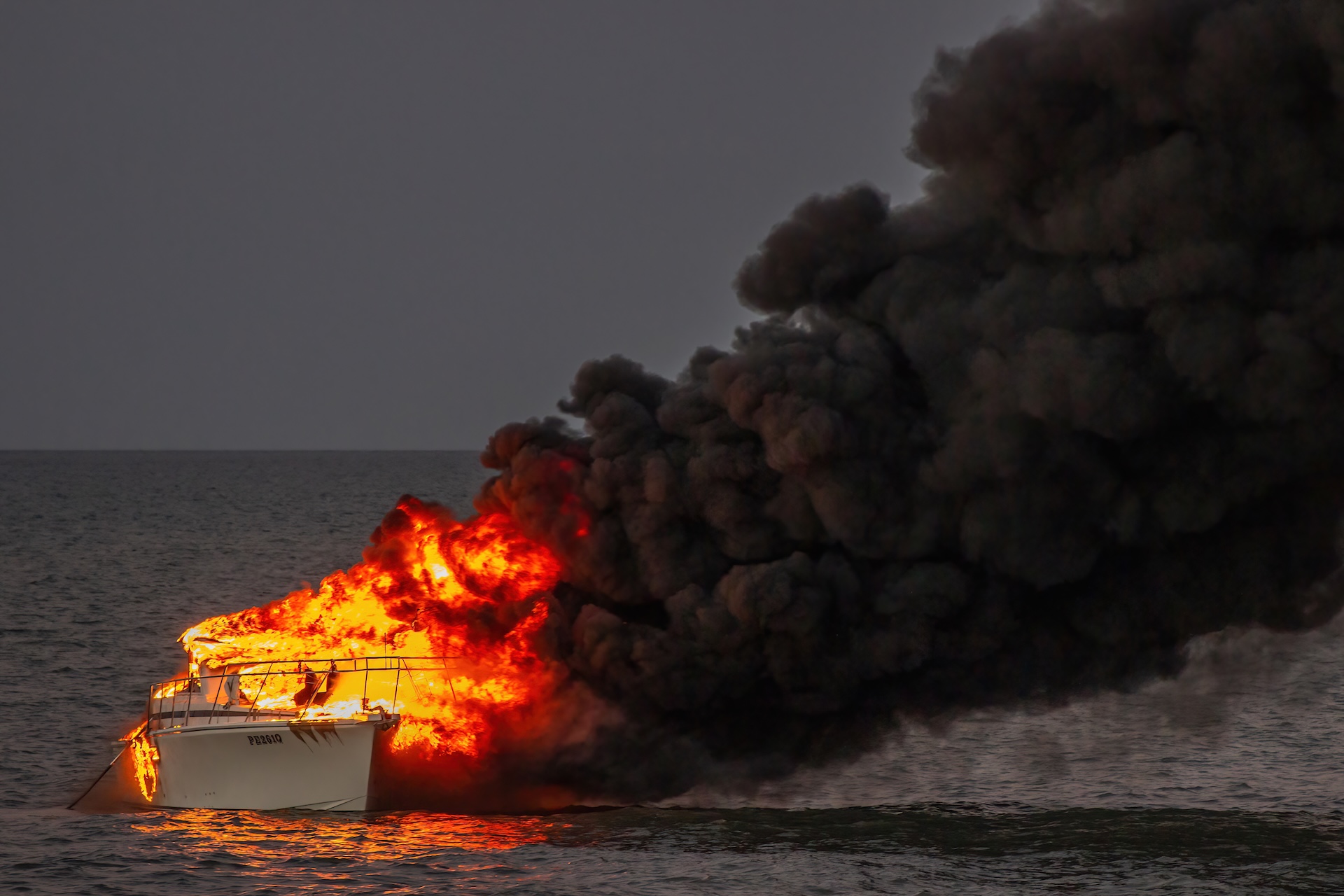
Boating can be a wonderful experience, but it's not without plenty of risks!
One of the most significant risks is the potential for a boat fire to occur on the water, away from the dock.
If a fire occurs on your boat, you must know what to do quickly. You should understand how to use your boat's fire extinguisher, know where the life jackets are, and be comfortable turning off the engine and other systems.
Here's what to consider to protect yourself and your passengers if your boat catches fire.

Act Quickly (but Calmly) During a Boat Fire
As soon as you see any smoke or flames, make sure to alert everyone on your vessel. If it's safe to access the key or engine cutoff switch, turn it off immediately.
Then, you and your passengers should put on your life jackets in case you need to evacuate. You may be able to stay on board and put out a minor fire, but larger fires could require everyone to leave the boat.
Being prepared can save lives.
Use the Fire Extinguisher Immediately
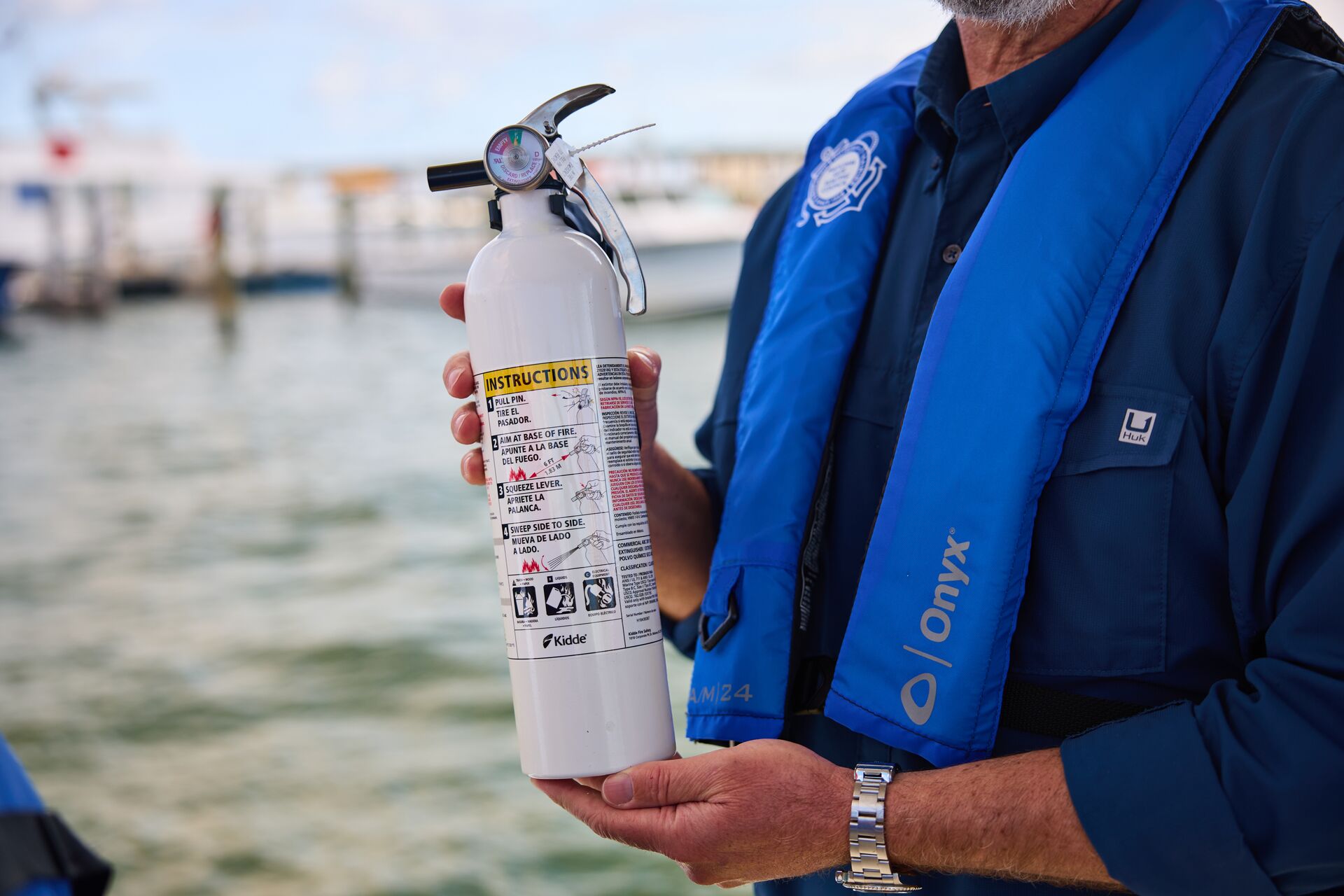
Grab your vessel's fire extinguisher and aim it at the base of the flames.
Use the PASS method, which involves:
- Pulling the pin
- Aiming low
- Squeezing the handle
- Sweep side to side
This is the most effective way to put out a fire.
Call for Help
Your VHF radio is the best way to issue a Mayday call.
Say "Mayday" three times, followed by your coordinates, and then describe the situation. If your radio doesn't work, you can use sound signals or flares to attract attention.
Cut the Fuel Supply
If the fire is near the fuel tank or engine, turn off the fuel lines. This can help prevent an explosion.
It's crucial to know the location of your fuel shutoff valves ahead of time, so you don't have to search for them in an emergency.
Evacuate If Needed
If you can't control a boat fire quickly, you'll need to abandon your vessel safely.
Use a life raft if you have one, or enter the water with your life jacket securely fastened. Make sure to stay upwind of the smoke and fire to help protect your lungs and reduce additional risk.
Where Should a Fire Extinguisher Be Stored on a Boat?
You should always store your fire extinguisher in a location that is both easily visible and accessible.
Don't store it in a locked compartment, and always mount it with brackets so it remains secure in the boat. Common places to mount the extinguisher include near the helm, near a cabin entrance, or in the gallery or engine compartment.
Know Your Extinguisher Type
Most boats require a marine-rated Class B or higher extinguisher. If you have a larger boat, you may need more than one extinguisher. This is typically determined by the type of engine and the length of your boat.
What Are the Common Causes of a Boat on Fire?
Knowing what causes boat fires can help you avoid them and keep you safer on the water.
Common risk factors include:
- Electrical malfunctions, such as damaged wires, loose connections, and corroded terminals
- Improperly installed or overloaded batteries
- DIY wiring jobs that don't use marine-grade components and cause short circuits.
- Fuel system leaks or connections, which can lead to gasoline vapors accumulating
- Poorly maintained engines or blocked cooling systems causing overheating
- Improper use of stoves or grills, including grease buildup or open flames near flammable items
- Overcharging batteries or those with loose connections, along with mismatched or damaged batteries
- Carelessly disposing of cigarette butts or using lighters near fuel or vapors
- Dirty bilges, clogged ventilation, and other neglected systems accumulate debris and vapors that can ignite
- Failing to inspect or replace aging components regularly
You can minimize fire risks on your boat by maintaining your vessel and being mindful of how you use it. Most fires on vessels can be avoided with proper care and maintenance.
How to Prevent Boat Fires
While it's crucial that you know how to handle a boat fire, it's better to avoid boat fires.
Fortunately, there are several ways to do so, allowing you to have a lower risk and more peace of mind.
Check Your Wiring and Fuel Lines
Examine your wiring for fraying or corrosion, and look for leaks in fuel lines during regular maintenance, especially when dewinterizing your boat in spring. If you need a battery installation or a major wiring upgrade, it's best to hire a marine electrician.
Don't Overload Circuits
Select marine-grade electrical components and avoid plugging multiple appliances into a single outlet to ensure your electrical system can handle the load safely.
Ventilate Properly
If you have a gasoline-powered boat, run your bilge blowers before starting the engine. That reduces the risk of dealing with a boat on fire because it keeps the engine compartment free of built-up fuel vapors.
Store Flammables Safely
Items such as gas cans, propane, and oils should be stored in designated, well-ventilated areas to further reduce the risk of a boat fire. You don't want dangerous vapors building up.
Use Cooking Equipment Responsibly
If your boat has cooking equipment, never leave your grills or galley stoves unattended. Turn off all appliances when not in use.
Final Safety Reminders
You can stay prepared and reduce risk by inspecting fire extinguishers every month and replacing them if they're expired. Additionally, conduct a fire drill with your passengers before leaving the dock, so everyone knows what to do in the event of an emergency.
You should have an emergency plan on board at all times, and every passenger should know where to find your vessel's safety gear.
Learn More Safety Essentials Through a Boater Education Course
Preventing a boat fire is the goal, but it's also crucial to know how to respond if it happens while on the water and away from shore. Use the tips we shared today to keep yourself and others safe from fires onboard!
Along with knowing how to use fire extinguishers and keeping your boat in excellent condition, you can keep yourself and others safer on the water by taking a boat education course. You'll learn important navigation tips, etiquette best practices, emergency procedures, and other essential information for safe boat operation (and more fun on the water).
You'll also meet your state's requirement for boater education when you take an online course through ilearntoboat!
Choose the course for your state, then hit the water safely.