Who Creates Boating Rules and Regulations (and Why)?
A big part of using U.S. waterways safely involves understanding and following boating rules and regulations. The more you learn and follow these rules, the safer you, your passengers, and other boaters around you will be.
Boating rules and regulations may govern how to license your boat, whether you need a license to operate a vessel, and what you need to carry while boating.
Where do these laws come from, and how are they enforced? In general, federal and state governments set boating rules and regulations. Here's what you need to know.
Who Sets Boating Laws in the U.S.?
There are federal and state recreational boating rules.
For example, the U.S. Congress passes federal laws that the U.S. Coast Guard often implements. Then, individual state legislatures create laws and regulations specific to boating on their waters.
Along with federal and state governments, local jurisdictions such as counties and cities can also enact ordinances for certain waterways. If you're boating in a particular area, or you're somewhere new on vacation, take time to familiarize yourself with local boating rules.
Hierarchy of Laws and Regulations
When it comes to hierarchy in your boating regulations, federal regulations come first. The U.S. Coast Guard oversees these.
State rules established by legislatures and boating agencies are next in the hierarchy.
After that, there may be local regulations that include speed limits, no-wake zones, and restricted areas.
Federal Regulations
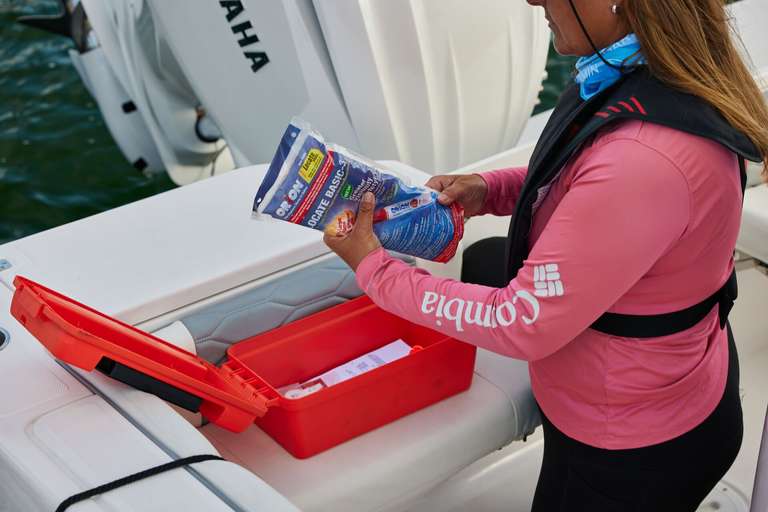
Federal rules apply to vessels on federal waters, such as oceans, major rivers, and navigable waterways. These regulations cover equipment requirements, including life jackets, fire extinguishers, and distress signals.
Navigation rules are part of federal regulations. Think of them as "rules of the road" at sea. Along with navigation, federal rules also govern vessel design, construction, and pollution prevention.

What Role Does the Coast Guard Play in Boating Safety?
The U.S. Coast Guard develops and enforces federal boating safety regulations and oversees safety standards, operator responsibilities, and equipment requirements.
Along with regulation enforcement, the Coast Guard conducts safety inspections and patrols on federal waters. The Coast Guard provides search-and-rescue operations for boaters in trouble and runs education and awareness programs to reduce accidents and make waterways safer.
Are Boating Rules and Regulations the Same in Every State?
Boating regulations differ by state, and each state can set additional rules beyond what's required. For example, there may be a minimum operator age in Minnesota, boating license requirements in California, alcohol limits in Florida, and equipment laws in Washington that differ from those of the surrounding states.
Though federal rules still apply nationwide, states are free to add their own requirements to protect their waterways and the people who use them.
Who Sets State Boating Regulations?
State legislatures pass boating laws, and agencies such as the Departments of Natural Resources or Parks & Wildlife create detailed regulations. States often work with the Coast Guard to ensure their laws align with federal standards.
How Do Federal and State Agencies Work Together?
The federal government sets baseline safety and navigation rules, and states enforce boating safety on their local waters, such as inland lakes and rivers. The Coast Guard typically partners with states by providing grants, training, and oversight for boating rules and regulations.
There's room for joint enforcement where waters are shared, including harbors and coastal areas.
Who Enforces Boating Safety Regulations?
If you're on coastal waters or navigable waterways, the Coast Guard enforces federal laws. However, if you're on a lake, river, or other state waterway, the rules of that state will apply.
Wildlife officers or the state marine police enforce these; sheriffs' departments, harbor patrols, and municipal agencies may enforce boating safety rules at the local level.
Why Are Boating Laws Important?
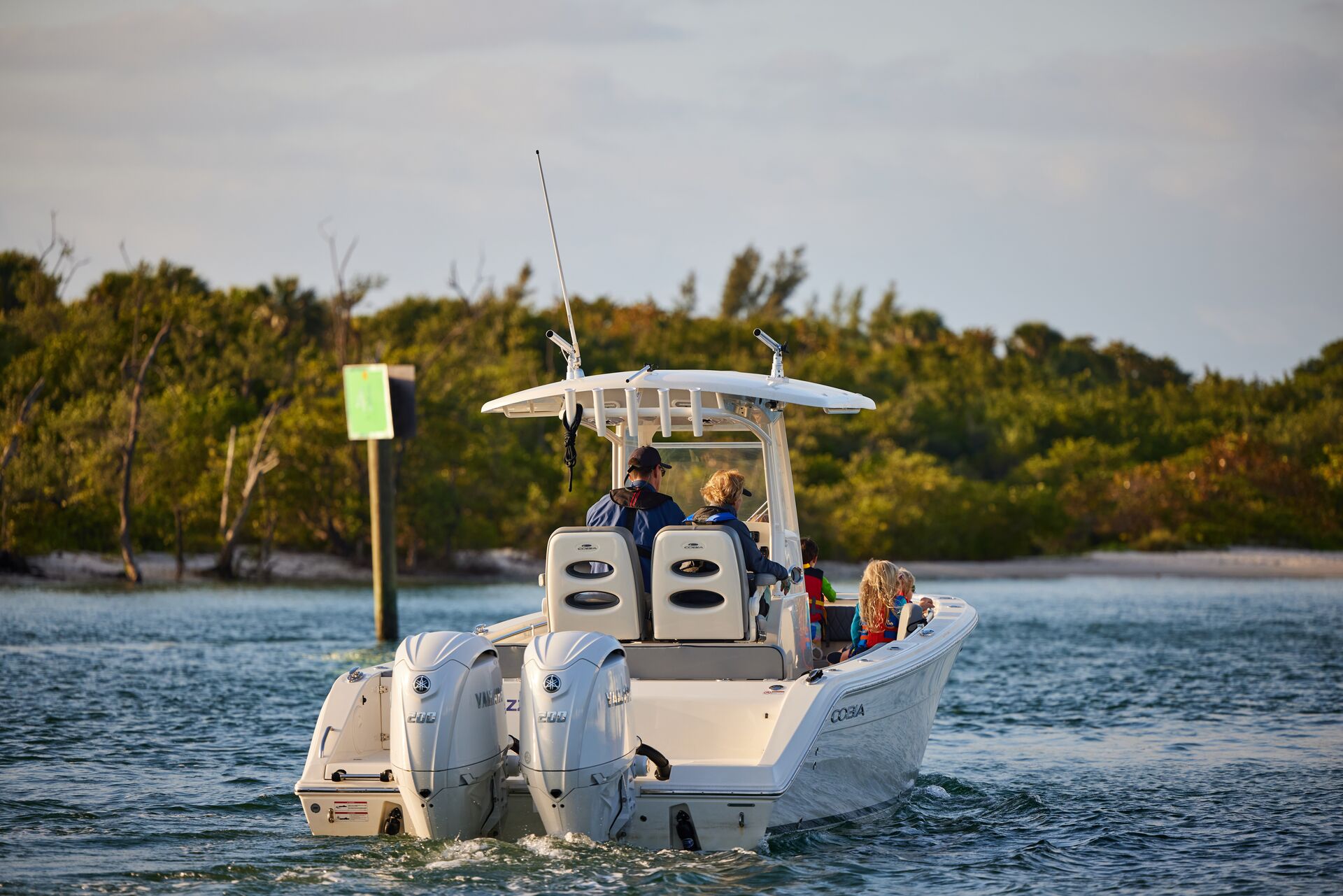
Boating laws matter because they:
- Promote safety and prevent accidents
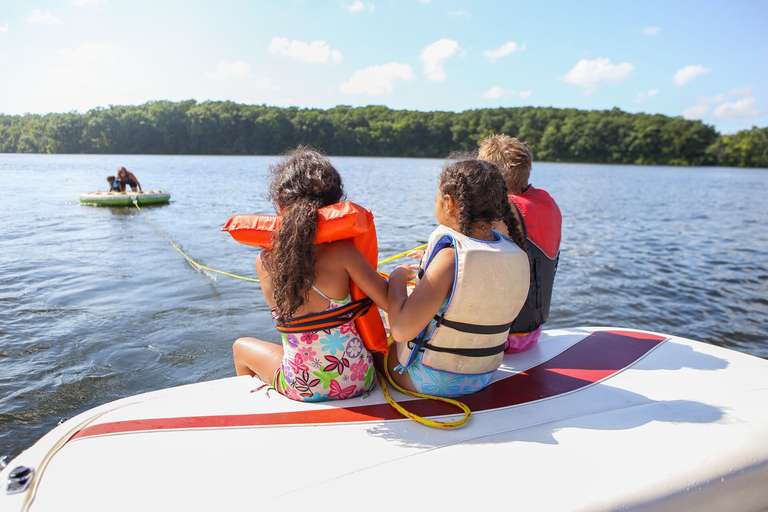
- Protect lives by requiring life jackets, lights, and safe operation
- Ensure the fair and consistent use of waterways
- Help protect the environment from pollution and damage
- Support rescue and emergency efforts
It's essential to take these laws seriously to protect yourself, other boaters, and the environment.
How Can I Learn About the Boating Rules for My State?
There are multiple ways to learn about your state's rules. The most common options are as follows.
- Take a boater education course: Many states require or recommend taking a boating safety course, either online (like ilearntoboat) or in person.
- Explore U.S. Coast Guard resources: The Coast Guard's Safety Division links to state-specific regulations, and federal baseline rules are always available there for comparison.
- Check out NASBLA (National Association of State Boating Law Administrators): NASBLA provides resources and links to official state boating law administrators.
- Find your state's agency website: Visit your state's boating agency, such as the Department of Natural Resources, Fish & Wildlife, or Parks & Recreation, for a state boating handbook, regulations, and licensing requirements.
- Contact local law enforcement agencies: Reach out to your local sheriff's harbor patrol or marine police for guidance on local rules, such as which areas are no-wake zones.
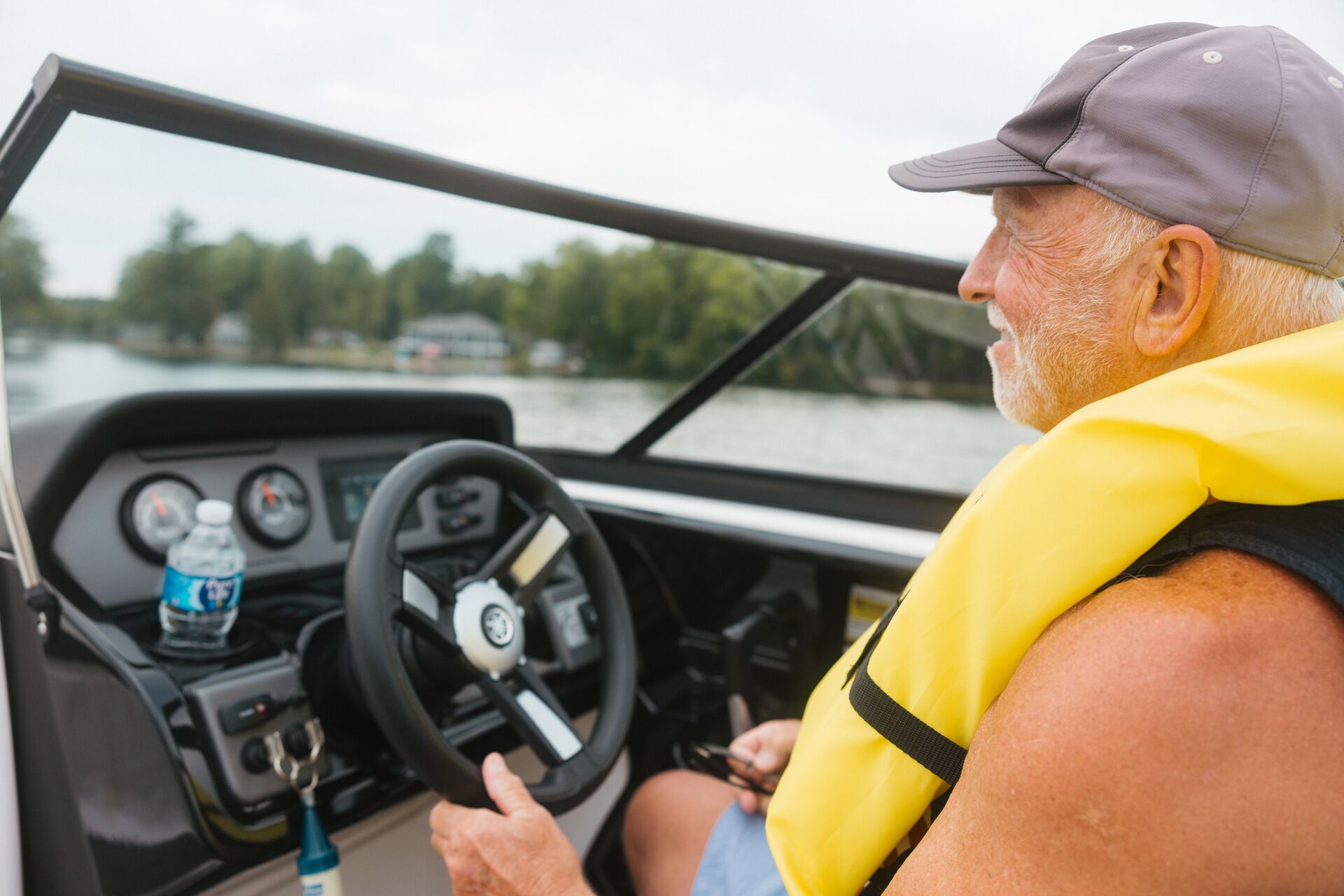
Learn More About Regulations with a Boater Education Course
One of the best ways to learn more about boating regulations is to take a boater education course. Not only will you gain valuable knowledge about boating safety, but you'll learn about navigation, emergency procedures, proper equipment, etiquette, and more, to help you boat with confidence.
Additionally, most state's require motorized boat operators to pass a boater education course. So, not only will you learn valuable safety information, you'll comply with your state's requirements!
ilearntoboat makes it easy (and fun) to take the boater safety course for your state online and get certified. Now is the best time to take your course so you can boat legally and safely in your state!

Frequently Asked Questions (FAQs)
We have answers to important questions about boating rules and regulations!
Q: Who sets boating laws in the U.S.?
A: Boating laws are set at both the federal and state levels. Congress and federal agencies create nationwide rules, while each state sets its own boating laws for state waters.
Q: Are boating regulations the same in every state?
A: No, boating regulations are not the same in every state. While many rules are similar, states can have different requirements for things like education, equipment, and operation.
Q: What role does the Coast Guard play in boating safety?
A: The U.S. Coast Guard sets federal boating safety standards, enforces certain laws, and leads education, inspection, and rescue efforts.
Q: Why are boating laws important?
A: Boating laws help prevent accidents, protect people and property, and ensure safe, responsible use of waterways.