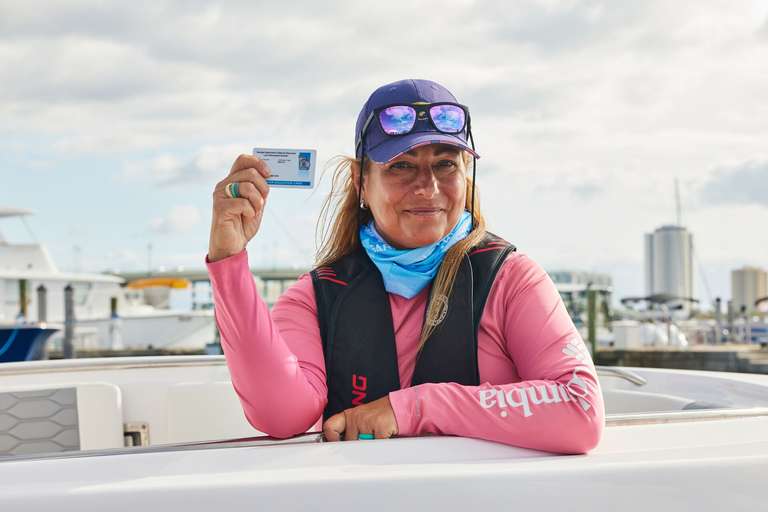
Getting into boating has a few specific requirements, and in most locations, that includes a boater safety card. You might have also heard people talk about getting a boating license. So, what's the difference?
In general, there is no difference between a boating safety card and a boating license. These terms are used interchangeably by many states and refer to the documentation needed to safely and legally operate a motorized vessel.
Here's what you need to know about boating requirements, so you can stay within the laws of your state and operate your vessel safely.
Is a Boating License the Same as a Safety Card?
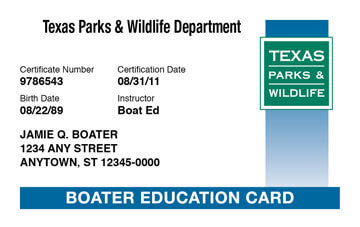
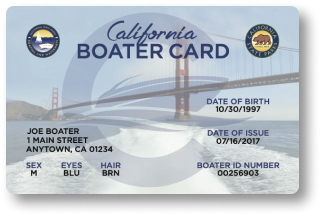
Most people use the terms "boating license" and "boater safety card" interchangeably, but they aren't technically the same thing. Most states issue a boater education or safety card to those who've completed an approved online boating safety course. Some states also have in-person courses.
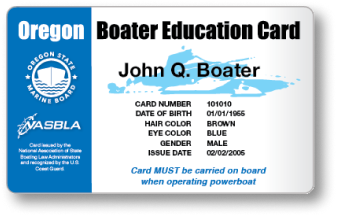
A boater education or safety card isn't actually a license like a driver's license. As opposed to a driver's license, it generally doesn't expire, and you'll never need to renew it. It's valid for life.
The safety card proves that you've completed a boater education course and passed the test at the end. Once you do those things, you're legally permitted to operate a vessel.
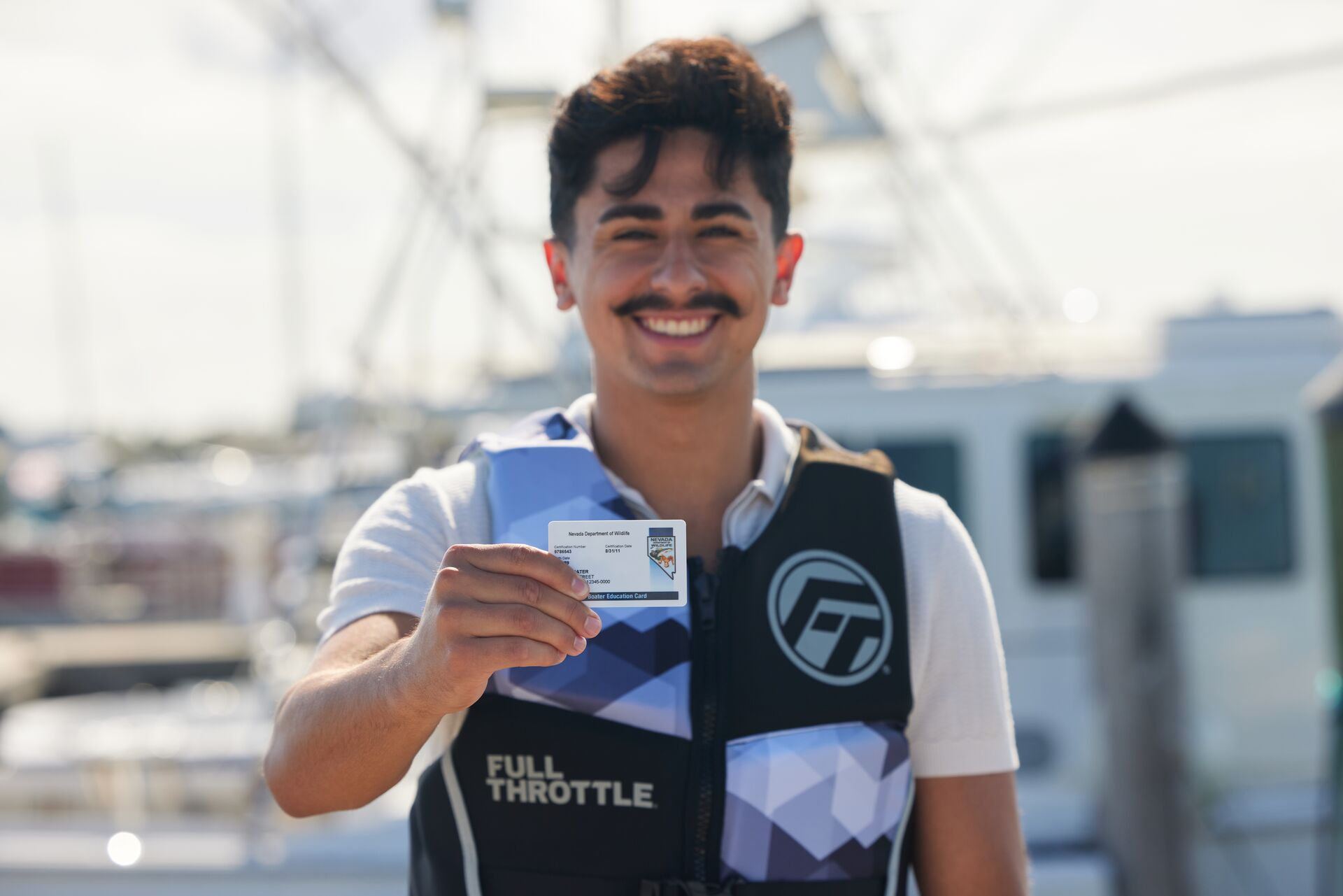
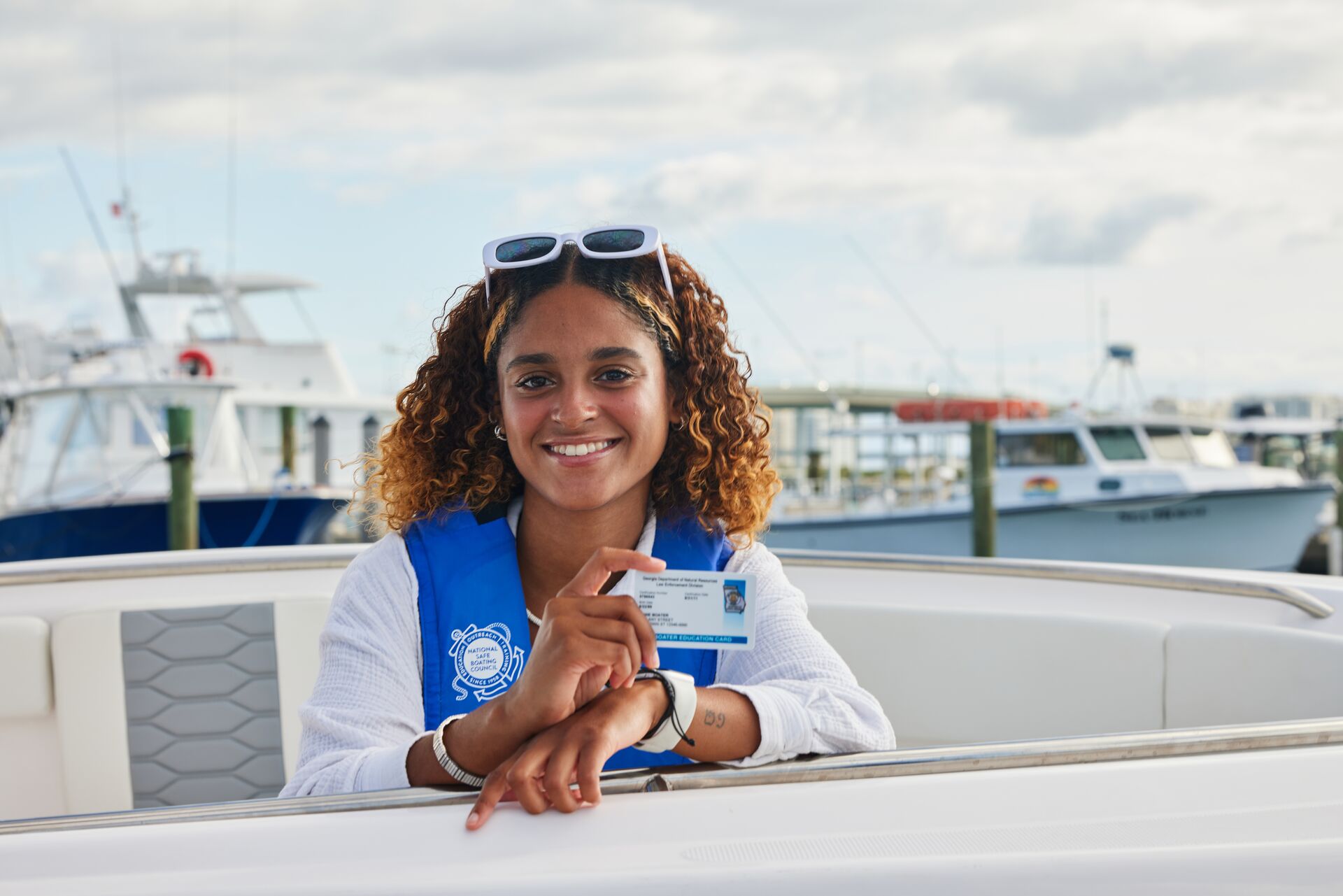
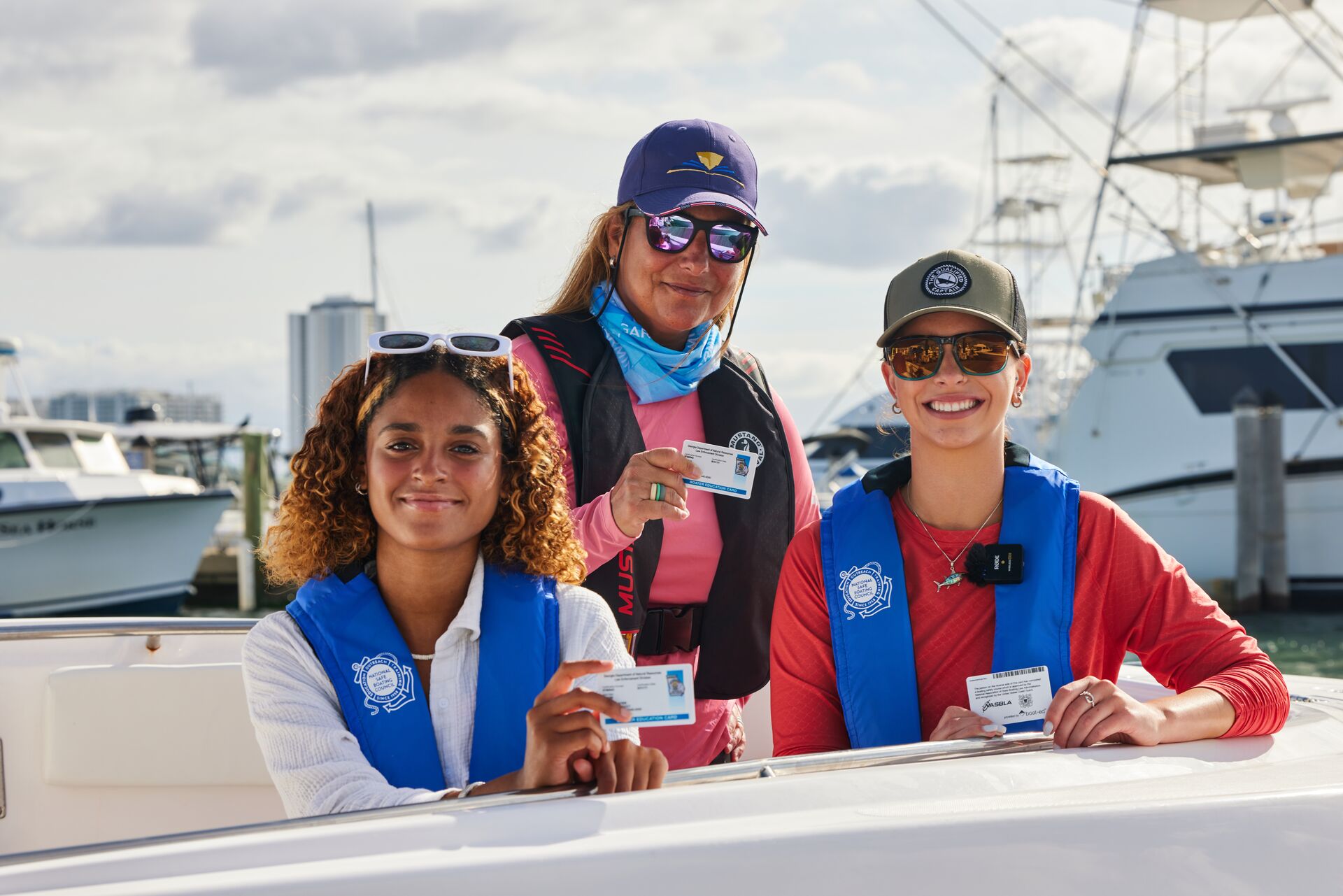
Make sure you always carry your boating safety card with you anytime you're on the water. If marine law enforcement stops you and you don't have your boating safety card, you may face a fine.
What Is the Purpose of a Boater Safety Card?
The primary purpose of the boater safety card is to show that you've completed an approved boater safety and education course. During the course, you'll learn about navigation rules, safe operation of your boat, the main emergency procedures you may need to follow, and environmental laws that help you protect the waterways you use.
Having this safety card helps reduce accidents by educating boaters about safety equipment and responsible boating practices. It also demonstrates compliance with the law and can help protect you from more serious legal consequences in the event of an accident.
Do All States Require a Boater Safety Card?
Boating license requirements vary by state, and not all states require vessel operators to have a safety card or take a knowledge course. Some states mandate safety cards for every motorized vessel operator, while others only require them for specific age groups or types of boats.
Keep in mind that states without mandatory cards may still encourage boater education. You may also be able to get a discount on your boat insurance if you provide proof of completing a safety course.
If you like to travel and plan to boat in other states, you may also want a boating safety card or proof of course completion for reciprocity. Many states recognize cards from other states, as long as those cards meet the standards of NASBLA (National Association of State Boating Law Administrators).
How Long Does It Take To Get a Boater Card?
It typically doesn't take long to get a NASBLA boating license or boating safety card.
Most online or classroom courses take 3–6 hours to complete. Once you've gone through all the self-paced material, you can take the exam.
Passing the exam gets you temporary proof of completion that you can print out and keep with you. You'll receive your official boater card in the mail in 2–4 weeks. Some states have printable certificates you can use until the official card arrives.
What Age Requires a Boater Safety Card?
Age requirements vary by state, and most US states require youth (often younger than 16 or 18) to have a card to operate motorized boats or personal watercraft (PWC).
Some states require everyone operating a motorized vessel to have a boating license, regardless of age. Certain types of boats (especially personal watercraft and high-horsepower boats) may require operators to meet age requirements, even with a valid boater safety card.
How Do I Get a Boater Safety Card?
To get your safety card, you'll need to meet your state's boater education requirements. These requirements are similar across most states, but be sure you know what your location requires.
Take an Approved Course
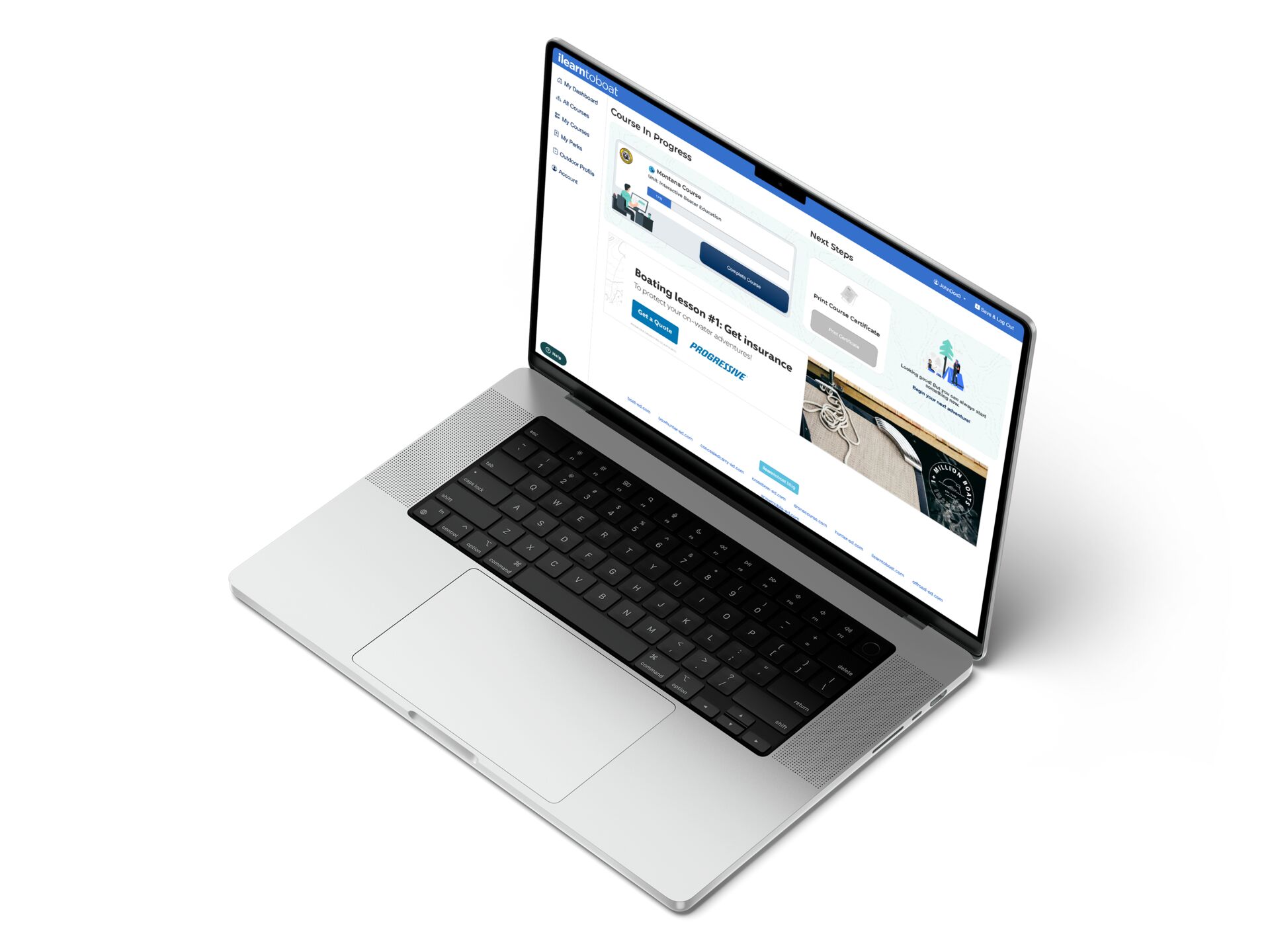
To get started, you'll need to enroll in a state-approved boating safety course (like ilearntoboat), either online or in person. This should be a NASBLA approved course, which your state's boating agency also endorses.
Complete the Training
Again, a boating safety course generally takes 3–6 hours to complete, depending on its format. It will cover all the primary areas you need to understand, including boating laws, navigation, safety equipment, and emergency responses.
Pass the Exam
At the end of the course, you'll need to take a multiple-choice exam and earn a passing score (often 75%–80% or higher) to receive your card. You'll also need to pay any course and licensing costs and fees.
Many providers offer an instant digital certificate or temporary card, and some states let you print your card right away. Then, you'll get a permanent card in the mail.
Get Your Official Card
Be on the lookout for your permanent boater safety card, which should arrive in about 2–4 weeks. In most states, your card is good for life, and you'll never have to renew it.
Carry Your Card When Boating
Anytime you're operating a vessel, you need to have your card with you. Carry the temporary proof of your boating safety course completion until your permanent card comes in.
In that sense, treat the card like a driver's license and keep it with you as a habit.
Get Your Boater Safety Card with ilearntoboat
Even if you've been boating for a long time, or if your state doesn't require a boater card, it's still important to take a boater education course. You can learn everything you'll need to know about water safety, be better prepared, and boat with confidence for a better overall experience.
Then, with your boater safety card (or boating license), you'll have proof that you know how to boat safely to keep yourself and others safe.
The fastest (and most fun) way to get your boater card is to take an online, interactive course through ilearntoboat! Our game-style course teaches you everything your state requires to get your safety certification, so you can boat legally and safely.
Frequently Asked Questions (FAQs)
We have answers to common questions about boater safety cards vs boating licenses.
Q: Is a boating license the same as a safety card?
A: A boating license is not exactly the same as a boater safety card, but the terms are often used interchangeably. Most states don’t issue a true “boating license.” What people usually mean is a boater safety card/certificate, which shows you’ve completed an approved safety course.
Q: Do all states require a boater safety card?
A: No, but most states do require a boater safety card to operate a motorized vessel. Requirements vary by state, including who must have one and when.
Q: How long does it take to get a boater card?
A: It typically takes 3–6 hours to complete a boater education course. Many online courses let you finish at your own pace, often in a single day.
Q: What age requires a boater safety card?
A: Age requirements for boater safety education depends on the state. Many require it for younger operators (often under 16–18), while some states require all boat operators to have one regardless of age.