Does My Boat Need a License? How to License a Boat
What's the difference between a boat license and a license to drive a boat? It's a common question we'll help answer today.
Does your boat need a license? We'll also cover that today. However, the rules for licensing a boat can vary depending on where you live and boat.
Licensing (or registering) a boat isn't the same thing as being licensed to operate a boat, and it's essential to make sure you have what's required before you head out on the water. Here's what you need to know about how to license a boat!
What Is a Boat License (aka Boat Registration)?
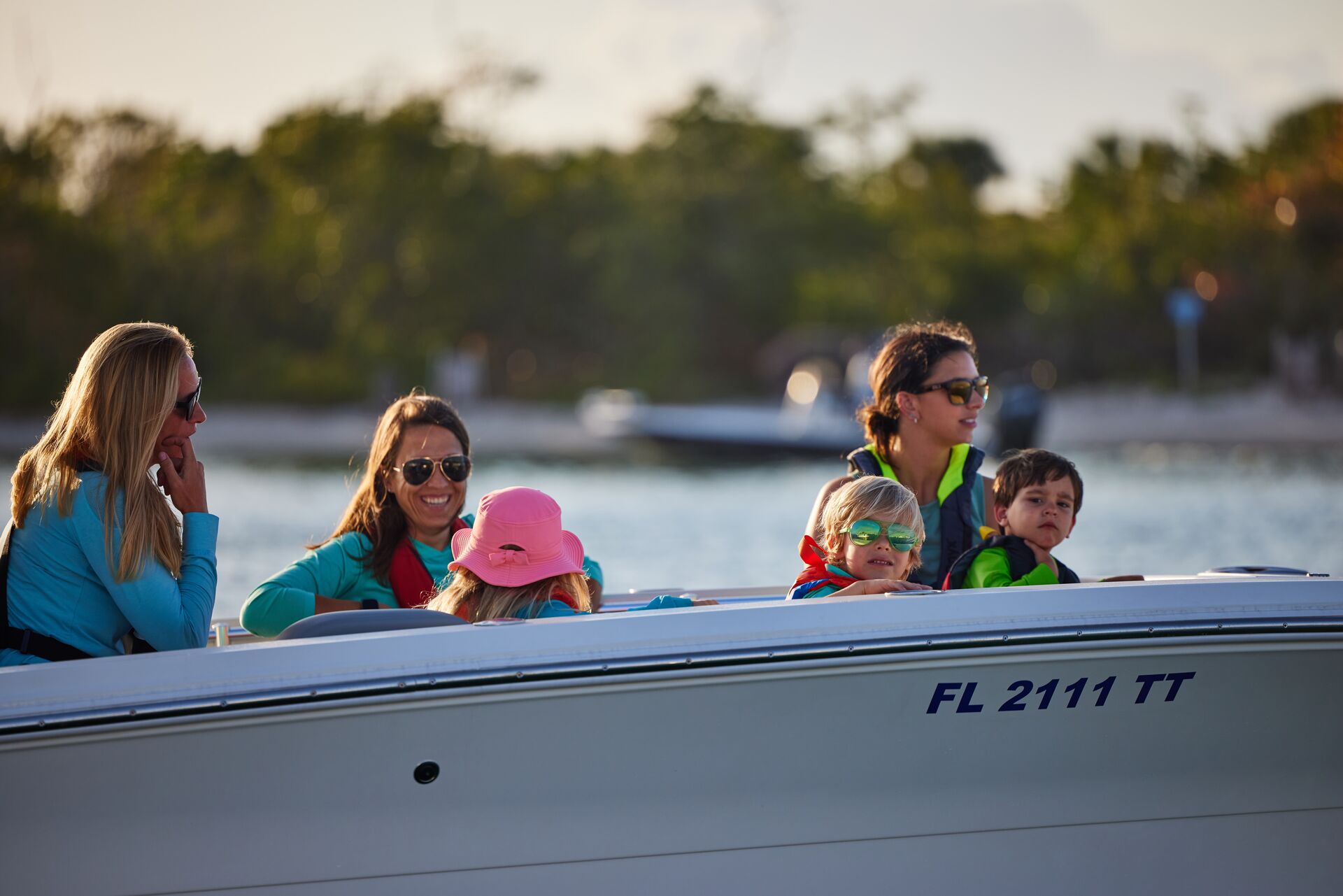
Licensing a boat essentially means registering it with the state, just as you would register a car or a motorcycle.
It's required for most motorized boats. In many cases, you also need to register sailboats above a certain length. However, each state has its own regulations regarding what must be registered.
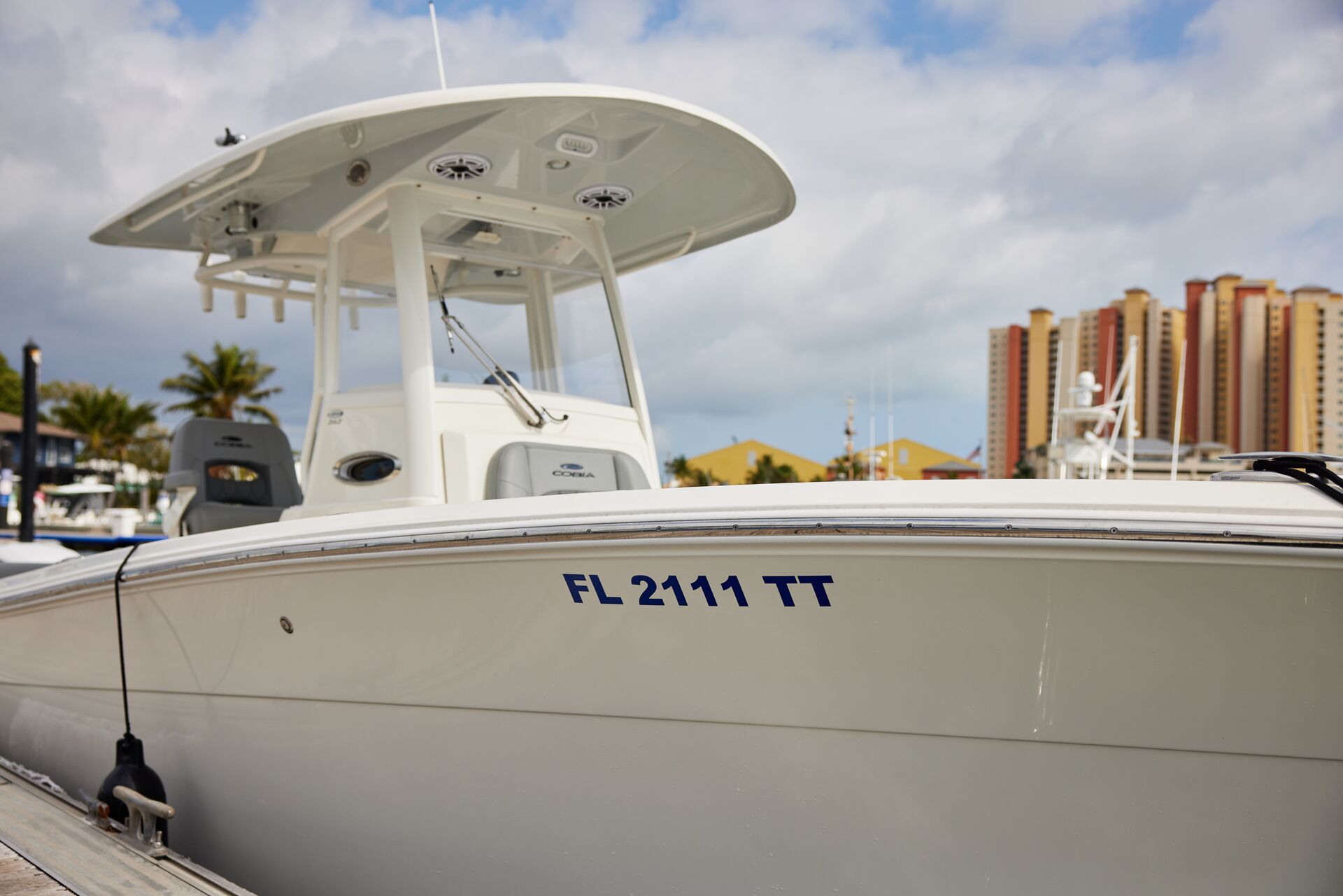
Completing the registration process will result in a registration number, certificate of registration, and decal. Your boat's registration is typically valid for one to three years, after which you'll need to renew it in accordance with your state's laws.
When Does Your Boat Need to Be Licensed?
While not every boat or watercraft requires a license, most do.
Most states require that you register:
- All motorized boats, including those with gas or electric motors
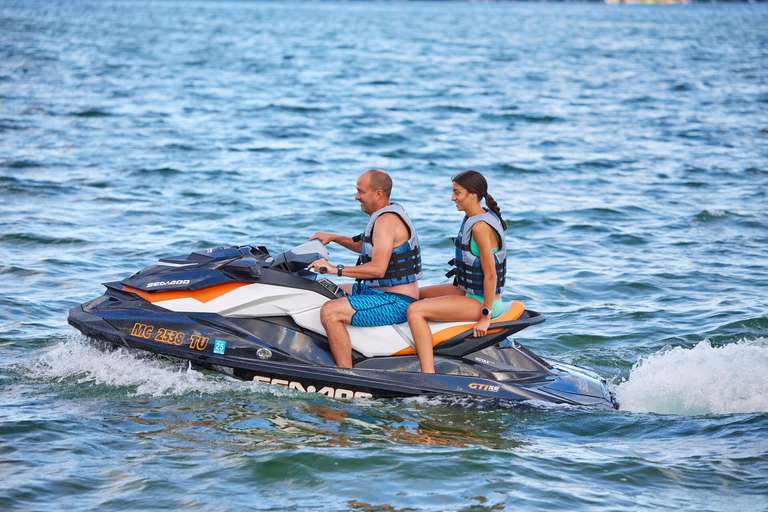
- Personal watercraft, such as jet skis
- Sailboats, subject to specific length requirements
The most common exemptions to registration requirements include canoes, kayaks, and rowboats without motors, as well as boats that are exclusively used on private waters.
Every state has its own rules and regulations, so always check with your state's boating authority for accurate, updated information specific to your location.
How to License a Boat
Ready to get your boat licensed? Here's a step-by-step overview to help you get started.
1. Find Your State's Boating Agency
Every state has an agency responsible for handling boat registration and licensing. This agency is usually Fish & Wildlife, Natural Resources, or Motor Vehicles, depending on the state you're in.
2. Gather the Required Documents
You'll need proof of ownership (such as a bill of sale or title), a photo ID, and (in some states) proof of tax payment. You can usually find information online, on your state's boating agency website, to see what to bring with you.
3. Fill Out the Registration Form
Some states allow you to license a boat by filling out the paperwork online. However, many states require you to appear in person if you're licensing your boat for the first time.
4. Pay the Registration Fee
The fee varies by state and boat length, so it's essential to understand the types of payments your state's licensing agency accepts. For example, you may be able to pay online, and some agencies may not accept personal checks.
5. Display Your Registration Number
Your registration number and decal should be clearly displayed on your boat's hull as instructed. Make sure you understand where to place the number and decal before attaching them.
Knowing how to license a boat is about more than just the initial licensing. It's also about showing that you're licensed and up-to-date when you're on the water.
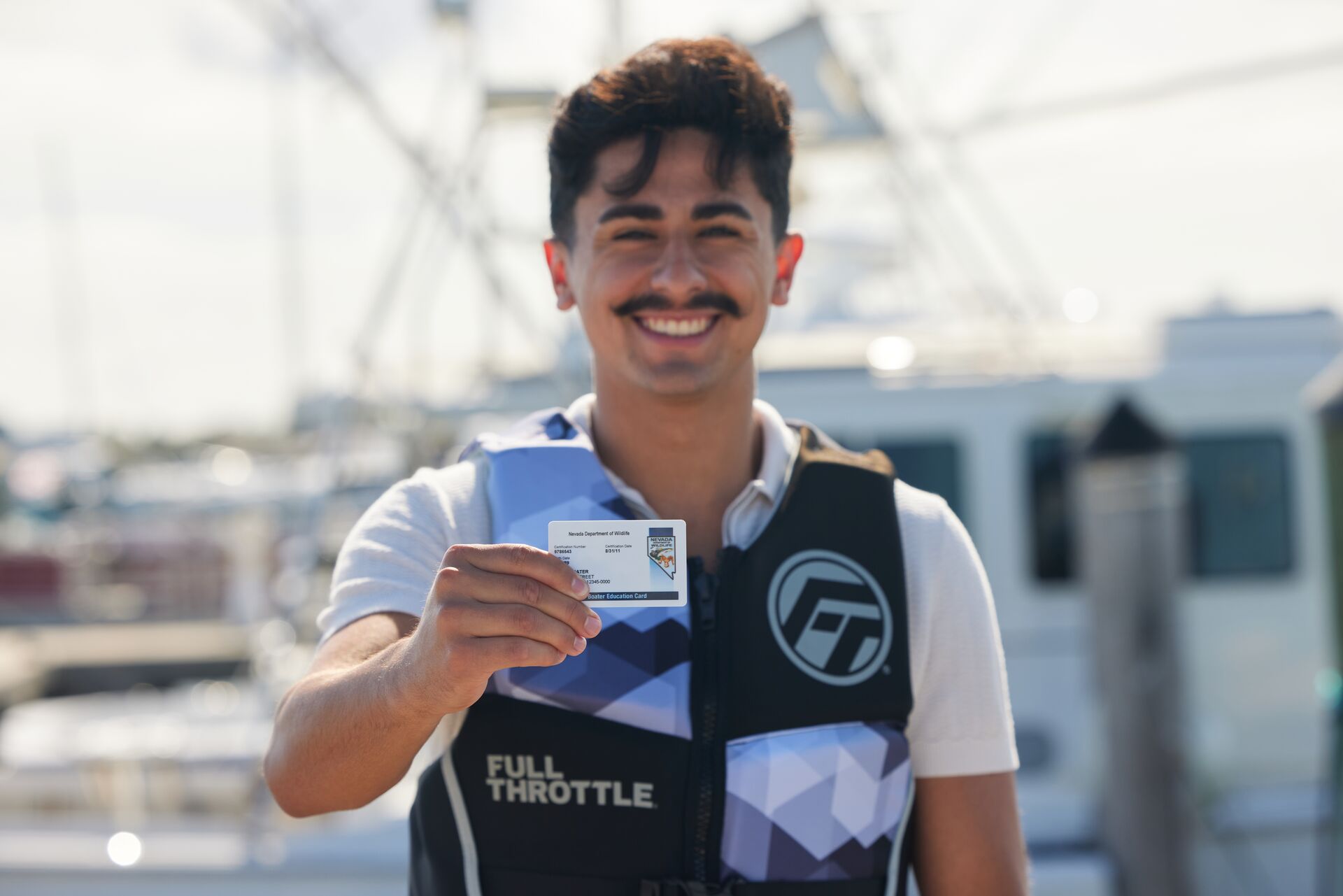
Boat License vs. Boater License (or Boater Education Card)
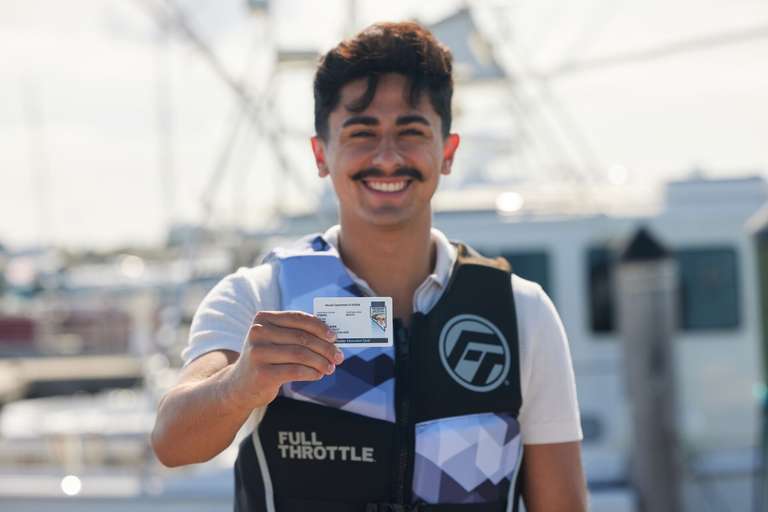
A boat license is a registration for the vessel (like license plates for your car), while a boater license (or boater education card) is like a driver's license for a boat. Most states (including California) will require you to take an approved boater safety course and get a boater education card before you can legally drive a boat.
While some states refer to this as a "boating license," it's essential to note that it's not a "boat license" and therefore differs from vessel registration.
This distinction is critical because you don't want to get caught on the water without all of the documentation you need: a registered vessel and proof of a valid boater license (or boater education) card.
The licensing requirements also apply to driving a personal watercraft (PWC).
What Are the Penalties if You Don't License a Boat?
If you don't properly license a boat, you can face potential fines, restrictions, and even confiscation of your vessel. The Coast Guard and wildlife officers are the most common enforcers of proper vessel and boating licenses on public waters.
Tips for New Boat Owners
When you get a boat, follow these tips to stay compliant and protect yourself:
- Register your boat as soon as possible, even if you're buying it secondhand.
- Keep your boater education card and vessel registration on board at all times.
- Renew your registration on time to avoid downtime and penalties.
- Consider getting boat insurance, even if it's not required, as a wise investment.
Owning a boat can be great fun, but it comes with some essential safety considerations and legal requirements. Make sure you follow the rules to enjoy your time on the water safely and without facing penalties.
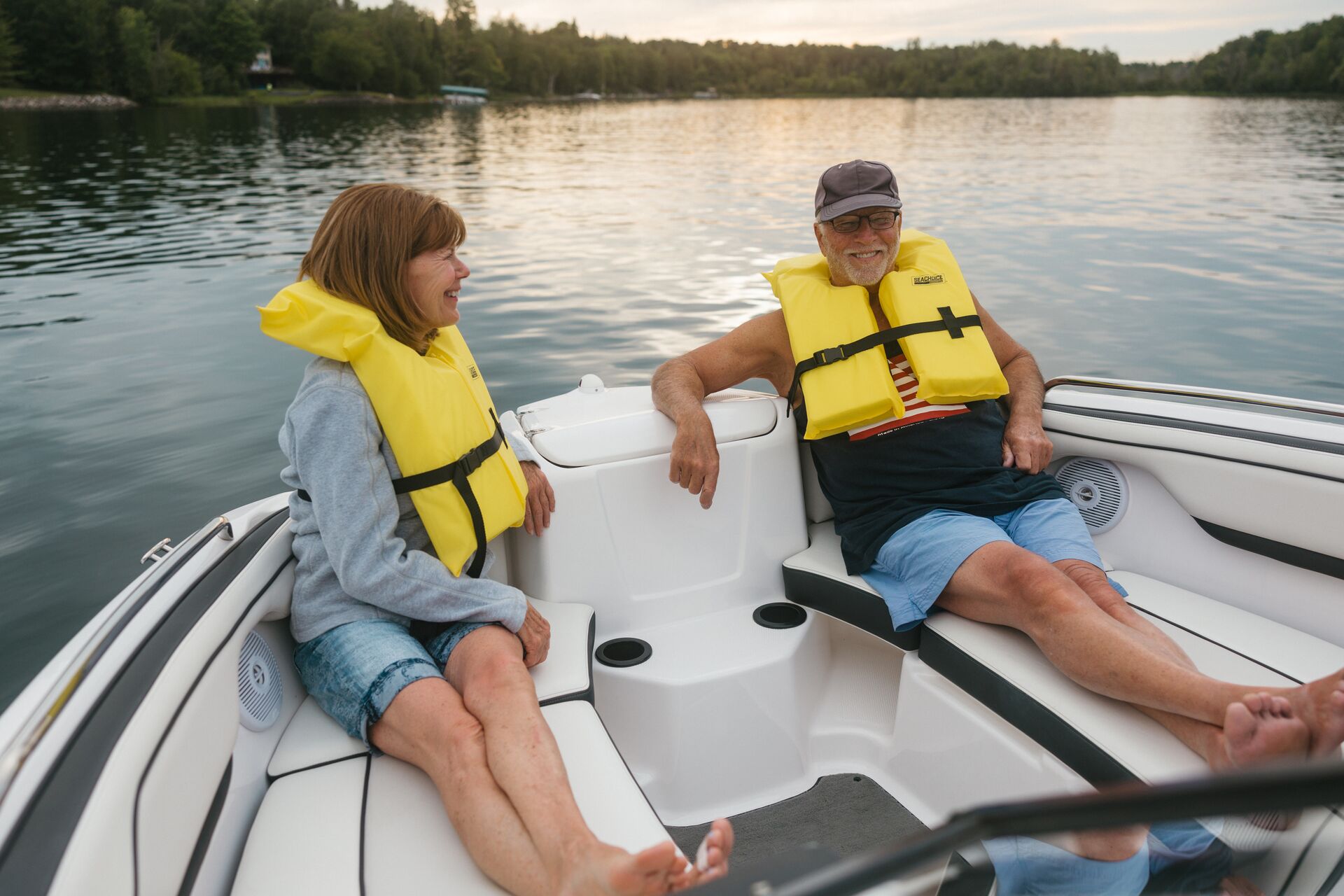
Stay Legal and Stay Safe With Boater Education
Licensing your vessel and yourself is crucial to a safer, legal, and better boating experience. Check your area's requirements and ensure everything is in order before you head out on the water. By understanding how to license a boat and following the rules, you'll have one less thing to worry about.
Before you take your vessel out for its first voyage, don't forget to take a boater education course! An online course through ilearntoboat will help you learn about safety on the water, navigation, etiquette, handling emergencies, and much more. Plus, our courses are NASBLA (National Association of State Boating Law Administrators) approved and state-approved, so you can get your boater card after passing the final exam.
Stay safe and legal on the water every season!
Take the ilearntoboat course for your state before hitting the water.
Frequently Asked Questions (FAQs)
We have answers to your questions about licensing a boat!
1. What is a boat license (or registration)?
A boat registration (or license) is like a car’s license plate. It proves your vessel is legally recorded with the state with an ID number.
2. Is a boat license the same as a license to drive a boat?
No. A boat license or registration applies to the boat itself. However, a boating license (or safety certificate) applies to the person operating it.
3. How do I know if I need to register my boat?
Most motorized boats must be registered, though the rules vary by state. Large sailboats may also need to be registered, depending on the length. In many cases, small, non-motorized boats do not need to be registered.
4. How do I register my boat?
In most cases, you'll apply through your state’s boating or motor vehicle agency. You'll need to provide proof of ownership and pay a fee.
Take the ilearntoboat course for your state to stay safe on the water.