Life Jacket Laws by State (2026)
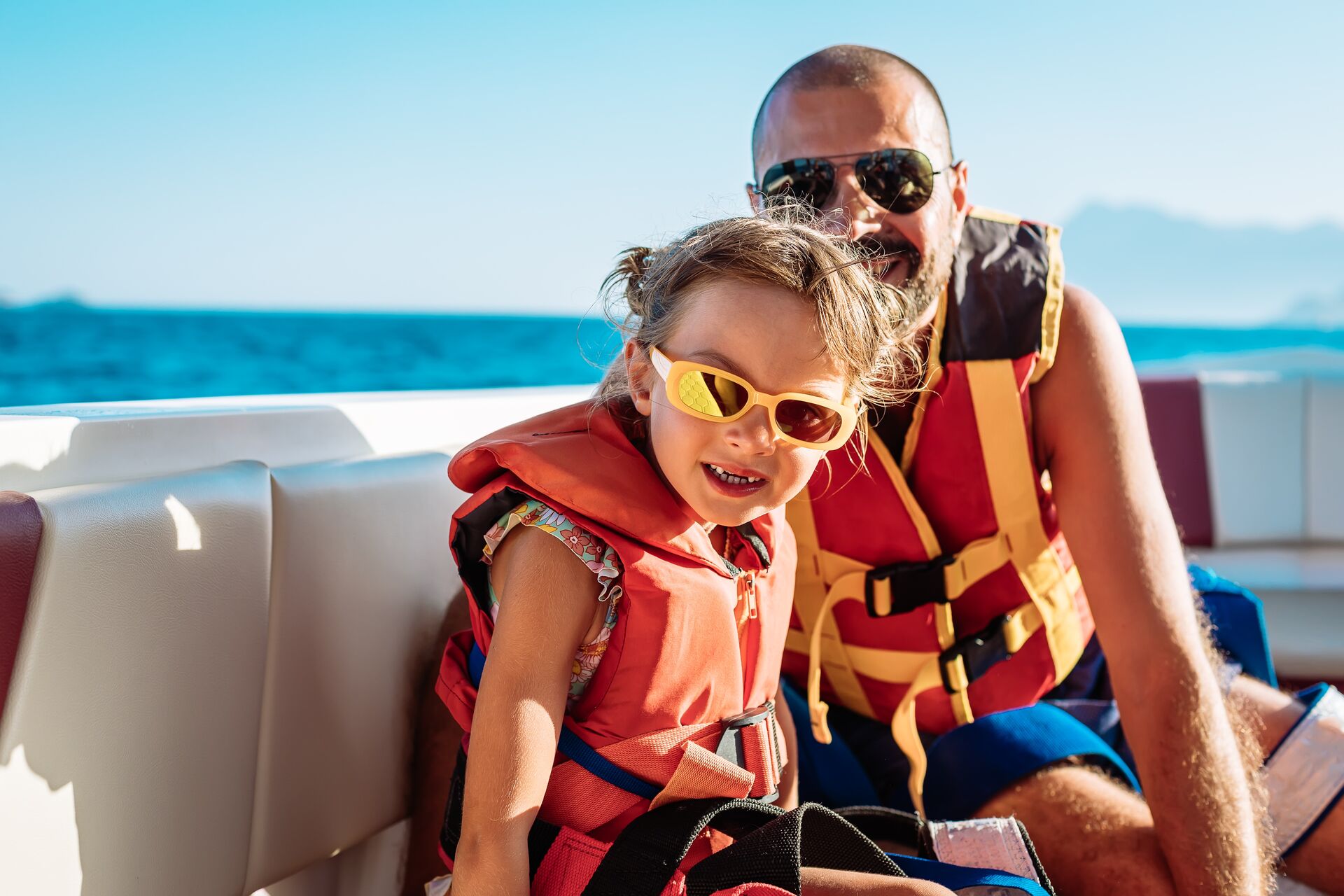
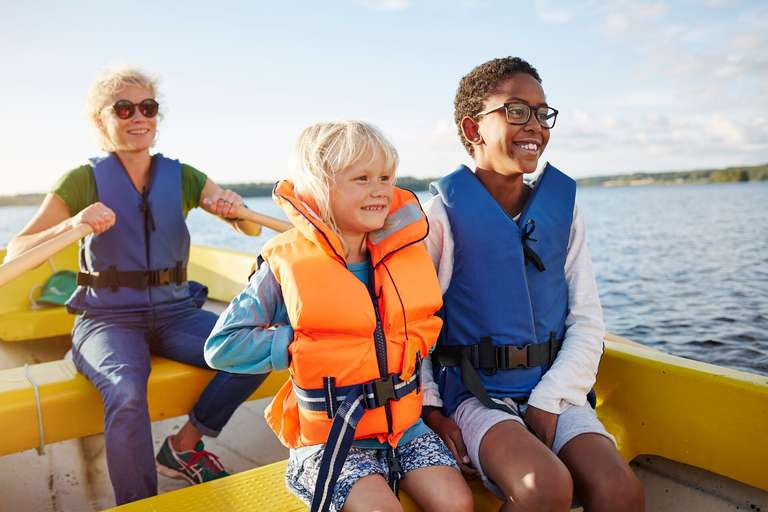
Though some aspects of life jacket laws are relatively consistent across the U.S., there are also differences in life jacket laws by state. Generally, you need at least one U.S. Coast Guard–approved life jacket for each person onboard your vessel. If you have children under 12 on your boat, they should wear their life jackets at all times.
Don't forget to check that everyone's life jackets fit properly.
Specific rules about life jackets also depend on the type of vessel you have and the activity you're engaging in. For example, there may be different requirements for someone on a personal watercraft (PWC), or someone who's whitewater rafting or water skiing.
Before hitting the water, always check the requirements for your state and the body of water you plan to use. Here's what to know about each state's life jacket rules and regulations so that you can stay safe and follow the law.
Life Jacket Laws Vary by State
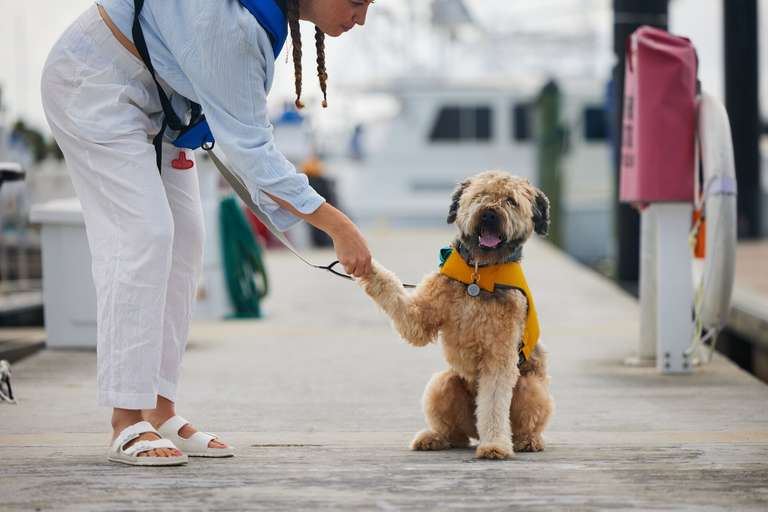
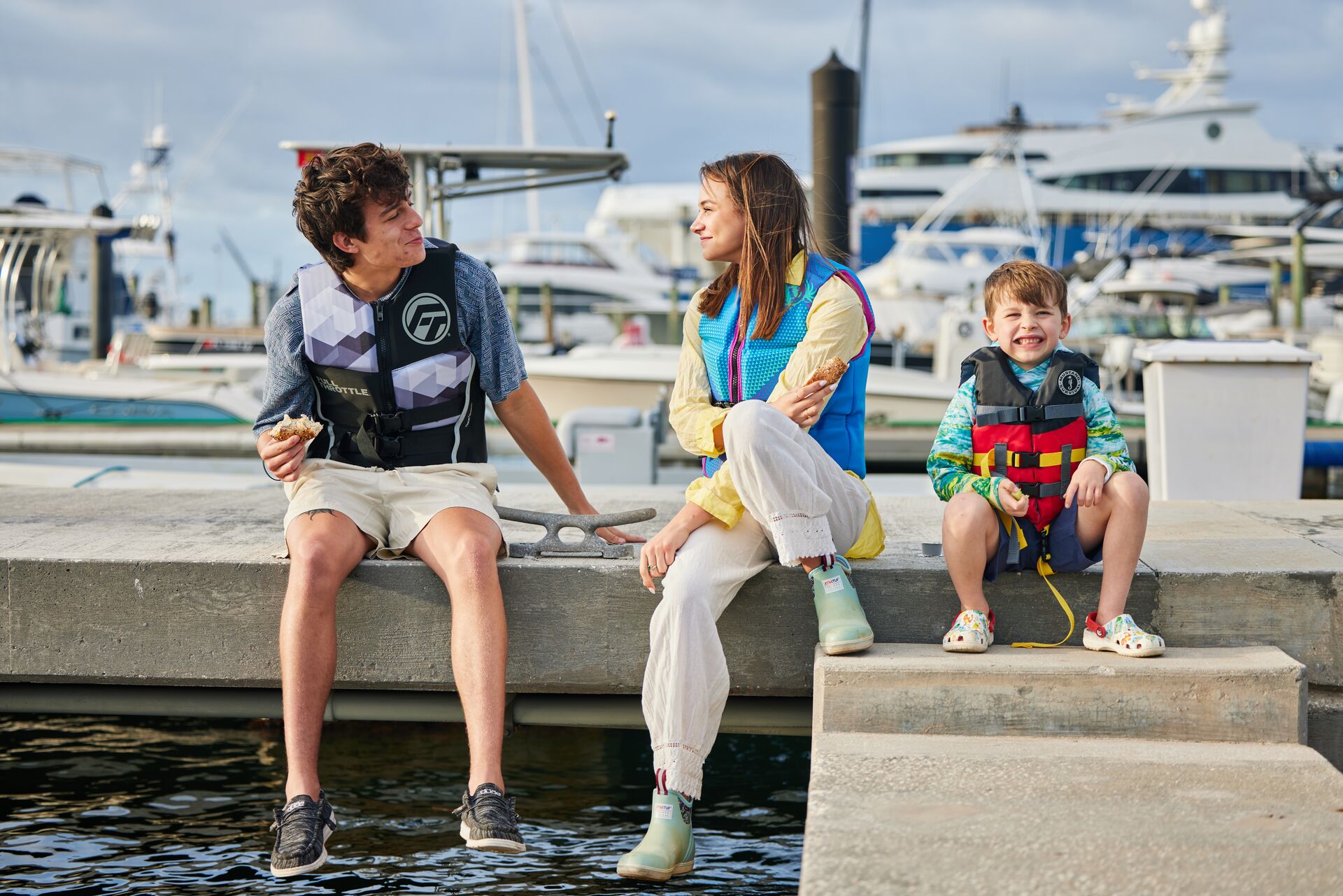
Though regulations vary, you should plan to have one U.S. Coast Guard–approved life jacket for each person on your vessel (including yourself), regardless of where you're boating. If you're taking your four-legged family member on your adventures, bring a dog life jacket, too.
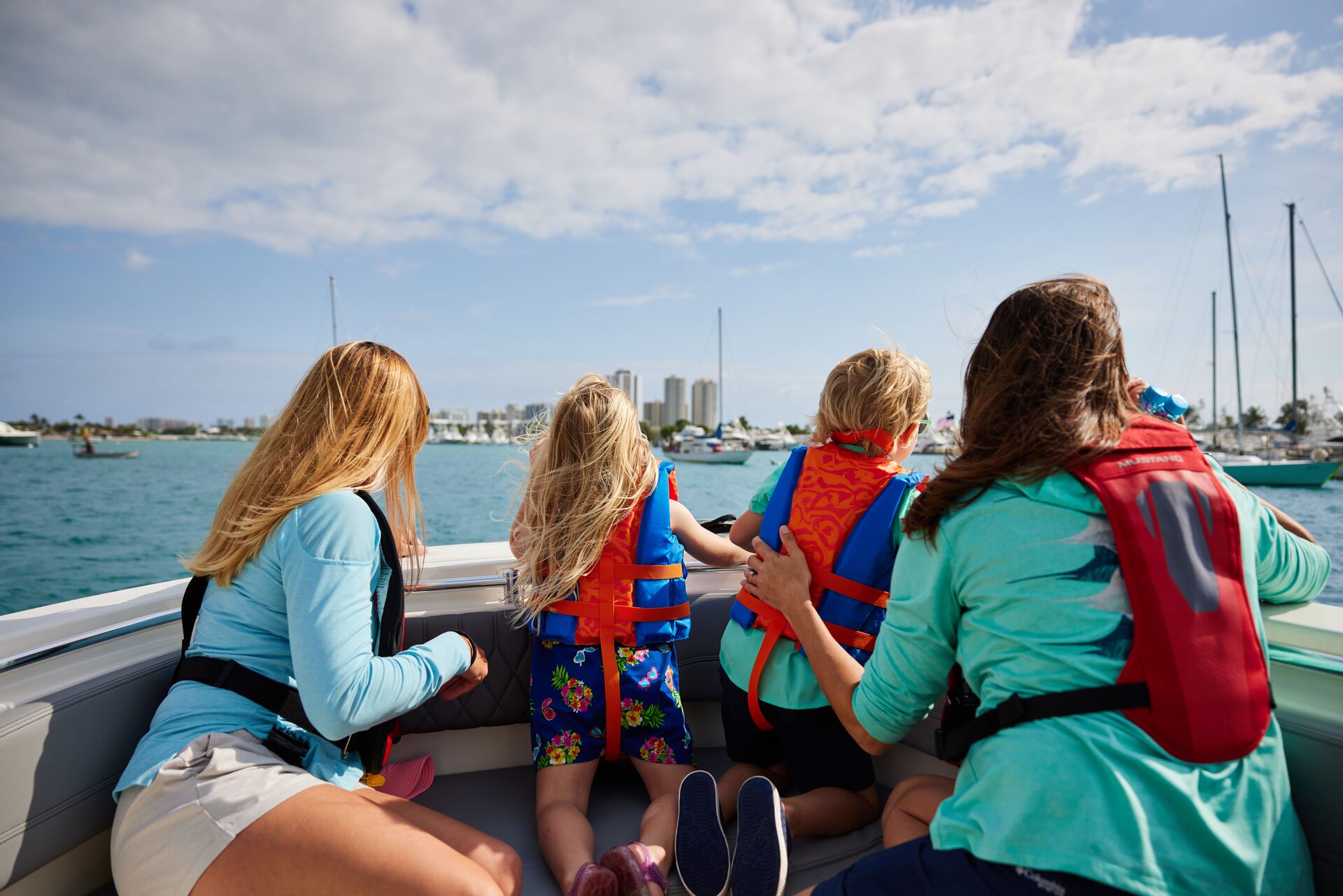
Children must wear their life jackets while the vessel is underway. Usually, that applies to kids 12 or younger, but it can vary by state, so check your local laws.
Your life jacket use should fit your activities on the water. For example, if you're water skiing, you may need something different from what you use on a pontoon boat. Always take the time to verify the rules for the specific state and waterway you plan to use.
General Requirements
The majority of states have the same general requirements. Expect the life jacket laws in your area to follow these guidelines.
- One per person: A wearable, U.S. Coast Guard-approved Type I, II, or III life jacket must be readily accessible for each passenger.
- Children's laws: Most states require children 12 and younger to wear a life jacket unless they're in an enclosed cabin.
- Personal watercraft (PWC): All riders must wear a life jacket; inflatable life jackets aren't allowed.
- Towed water sports: You must provide a life jacket to anyone you tow (for example, anyone using a tube, skis, or a wakeboard).
- Whitewater rapids: You must use a life jacket in Class III or higher rapids.
- Condition and fit: Every life jacket must be serviceable, undamaged, and adequately sized for the wearer.
- Inflatables: These are often limited to users 16 and older, who may need to wear them (not just carry them) to meet legal requirements.
Remember, these are the basic requirements in most locations. They might not be the exact rules for your area, and you may need to follow additional life jacket rules. Again, verify your state's requirements before you go on the water.

How to Find Specific Life Jacket Laws by State
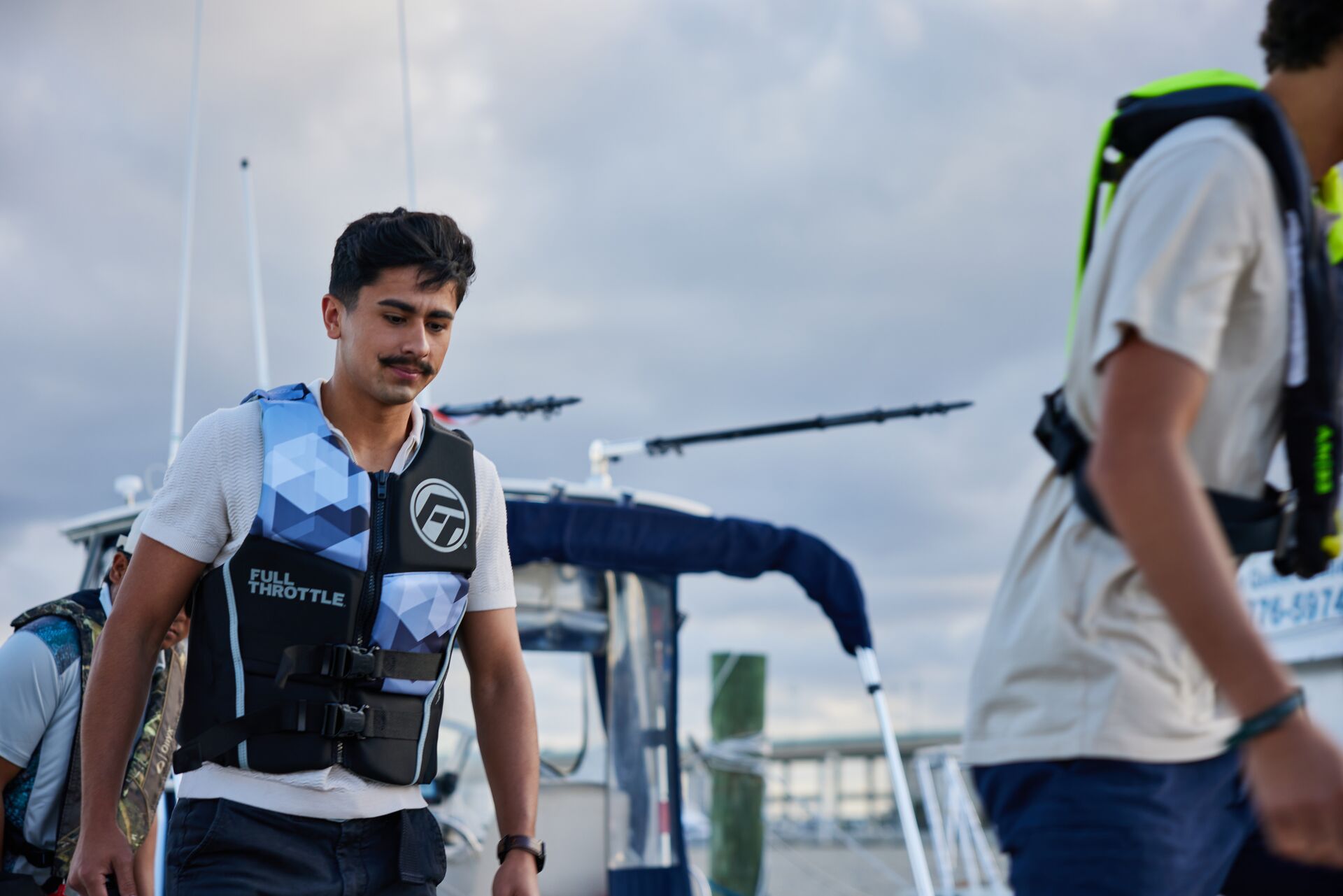
You can find specific laws for your area by checking with state authorities. Search online for "[Your State] life jacket laws" (for example, "Texas life jacket laws") or your state's boating or marine board.
Keep in mind that vessel length matters: boats 16 feet or longer may require an additional Type IV throwable device. Penalties and fines vary by state, too.
Life Jacket Laws by State | |||||
| State | Age Requirements | Vessel Length | When to Wear Life Jacket | Exceptions | USCG Approved Life Jacket Styles (with Proper Fit) |
Alabama | Younger than 8 years old | All | At all times aboard a vessel | If in an enclosed cabin | Type I, II, III |
Alaska | Under age of 13 | All | In an open boat or on an open deck, and when waterskiing | When not in an open boat or open deck and not waterskiing | Type I, II, III |
Arizona | Ages 12 and younger | All | At all times aboard a vessel | When boat is not underway | Type I, II, III |
Arkansas | Ages 12 and younger | All | At all times | In enclosed area or within enclosed railings while boat is not underway | Any USCG approved |
California | Ages 12 and younger | All | When on a moving vessel | In an enclosed cabin or if restrained by harness tethered to boat | Type I, II, II, V |
Colorado | Ages 12 and younger | All | Aboard moving vessels | When below deck or in enclosed cabin | Type I, II, III |
Connecticut | Ages 12 and younger | All | Aboard moving vessels | When below deck or in enclosed cabin | All USCG Approved |
Delaware | Ages 12 and younger | All | On board any vessel | When below deck or in an enclosed cabin, and when boat is anchored | Type I, II, II, V |
Florida | Younger than Age 6 | Less than 26 feet | Aboard moving vessels | None | Type I, II, III |
Georgia | Younger than Age 13 | All | Aboard moving vessels | When in an enclosed cabin | All USCG Approved |
Hawaii | Ages 12 and younger | All | Aboard moving or anchored vessel | When below deck or in enclosed cabin | All USCG Approved |
Idaho | Ages 14 years and younger | 19 feet or less | When on a moving vessel | None | All USCG Approved |
Illinois | Younger than Age 13 | Less than 26 feet | When on a moving vessel | Below deck or in enclosed cabin | All USCG Approved |
Indiana | Younger than Age 13 | All | On board any vessel | Below deck or in enclosed cabin or when docked | All USCG Approved |
Iowa | Younger than Age 13 | All | When on a moving vessel | When below deck or in enclosed cabin | All USCG Approved |
Kansas | Ages 12 and younger | All | While onboard or being towed | None | Type I, II, III |
Kentucky | Ages 12 and younger | All | When on a moving vessel with open deck | None | All USCG Approved |
Louisiana | Ages 16 and younger | Less than 26 feet | When on a moving vessel | None | Type I, II, III |
Maine | Ages 10 and younger | All | At all times on board | None | Type I, II, III |
Maryland | Younger than Age 13 | Under 21 feet | When on a moving vessel | When moored or anchored, below deck or in enclosed cabin | All USCG Approved |
Massachusetts | Younger than Age 12 | All | When on a moving vessel | When below deck | Type I, II, II, V |
Michigan | Younger than Age 6 | All | When on open deck of moving vessel or being towed | When below deck | Type I or II |
Minnesota | Younger than Age 10 | All | When on a moving vessel | When below deck or in enclosed cabin; When onboard vessel operated by licenses cabin, with swimming or diving from anchored boat | All USCG Approved |
Mississippi | Ages 12 and younger | Less than 26 feet | When on open portion of vessel | None | Type I, II, III |
Missouri | Younger than Age 7 | All | When on board any vessel | When in cabin area | Type I, II, II, V |
Montana | Younger than Age 12 or when operating sailboat and younger than 15 years old | Less than 26 feet | When on a moving vessel | None | All USCG Approved |
Nebraska | Younger than Age 13 | All | At all times | If in anchored boat while hunting waterfowl | Type I, II, III |
Nevada | Younger than Age 13 | All | When on board any vessel | Below deck or in enclosed cabin | All USCG Approved |
New Hampshire | Ages 12 and younger | All | When on a moving vessel | On board in enclosed area with rail at least 3 feet tall | All USCG Approved |
New Jersey | Ages 12 and younger | All | When on a moving vessel | In permanent, fully enclosed cabin | Type I, II, II, V |
New Mexico | Younger than Age 13 | All | When on a moving vessel | When below deck or in enclosed cabin | All USCG Approved |
New York | Younger than Age 12 | Any vessel 65 feet long or shorter | When on a moving vessel | When in fully enclosed cabin | Type I, II, II, V |
North Carolina | Younger than Age 13 | All | When on a moving vessel | When below deck or in enclosed cabin | Type I, II, III |
North Dakota | Ages 10 and younger | Less Than 27 feet | When on a moving vessel | None | Type I, II, III |
Ohio | Younger than Age 10 | Less than 18 feet | While on board the vessel | None | All USCG Approved |
Oklahoma | Younger than Age 13 | Less than 26 feet | When on a moving vessel | None | All USCG Approved |
Oregon | Ages 12 and younger | All | When on open deck while underway or being towed | None | All USCG Approved |
Pennsylvania | Ages 12 and younger | 20 feet or less (includes canoes and kayaks) | When on a moving vessel | None | All USCG Approved |
Rhode Island | Younger than Age 13 | Less than 65 feet | When on a moving vessel | When in closed cabin or below deck | All USCG Approved |
South Carolina | Younger than Age 12 | Less than 16 feet long or PWC | While on board the vessel | None | Type I, II, II, V |
South Dakota | Younger than Age 7 | All | Any vessel moving faster than slow-no-wake speed | When in enclosed cabin or below deck | All USCG Approved |
Tennessee | Ages 12 and younger | All | When on open deck while underway | When moored, anchored, or aground | Type I, II, II, V |
Texas | Younger than Age 13 | Less than 26 feet | When on a moving vessel | When moored, anchored, or aground | All USCG Approved |
Utah | Ages 12 and younger | All | At all times | On boat 19 feet or longer and in enclosed cabin | All USCG Approved |
Vermont | Younger than Age 12 or 16 years and younger when on sailboard | All | When on open deck while underway | None | Type I, II, III |
Virginia | No state law, but all boaters must follow Federal law while on federal waterways (Younger than 13 must wear PFD) | All | When on a moving vessel | When in enclosed cabin or below deck | All USCG Approved |
Washington | Ages 12 and younger | Less than 19 feet | When on a moving vessel | When in enclosed cabin or below deck | All USCG Approved |
West Virginia | Ages 12 and younger | All | When on a moving vessel | When in enclosed cabin or below deck | All USCG Approved |
Wisconsin | No state law, but all boaters must follow Federal law while on federal waterways (Younger than 13 must wear PFD) | All | When on a moving vessel | When in enclosed cabin or below deck | All USCG Approved |
Wyoming | Younger than Age 13 | All | When on a moving vessel | When in enclosed cabin or below deck | All USCG Approved |
Even if you aren't required to wear a life jacket while boating in your state, we highly recommend wearing one every time you're away from the dock. It could truly save your life.

Why Are Life Jackets Important?
Life jackets provide valuable protection while you're on the water. They can:
- Prevent drowning, which is the leading cause of boating fatalities.
- Provide flotation even if you're injured, fatigued, or unexpectedly thrown overboard.
- Increase visibility during rescue operations.
- Keep your head above water and reduce the risk of cold-water shock.
Given the value of life jackets, getting into the habit of wearing one can be highly beneficial. Whether you're zooming along on a PWC or out for a day of relaxed cruising in a pleasure boat, wearing a life jacket is always a smart choice.
How to Choose the Right Life Jacket
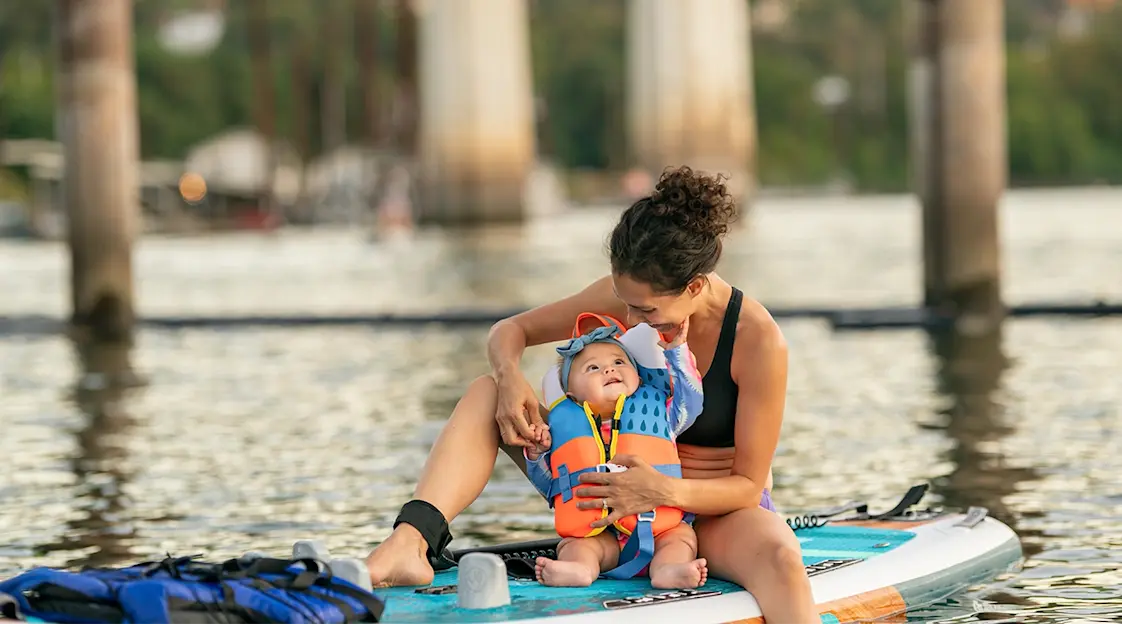
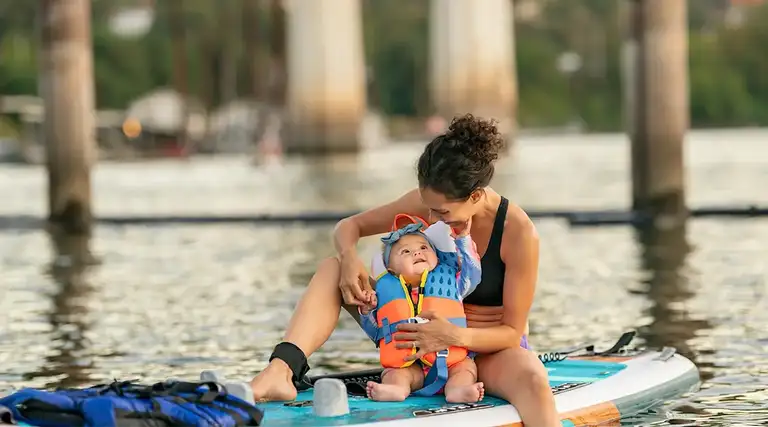
Ensure the jacket fits properly, and test it before heading out: it should be snug but comfortable. Consider age- and weight-specific sizing if you're buying a life jacket for a child. Sizing is especially crucial for infant life jackets, which often have extra safety measures to keep them in place.
Once you find a good jacket, check for ease of movement for paddling, PWC riding, or towed sports. Inspect your jacket regularly for wear, tears, or faulty buckles or zippers, and replace it as needed.
How Can I Learn More About Life Jackets and Boat Safety?
You can learn more about life jacket laws by state and other boating safety specifics by visiting your state's boating authority or the U.S. Coast Guard Boating Safety website. Another way to get this information is to take a certified boater education or safety course, like ours at ilearntoboat.
You can also review manufacturer guides on life jacket types and care, and connect with local marinas, boating clubs, or water safety organizations to get more information and stay up to date.
Meet Your State's Boater Education Requirements with ilearntoboat
In addition to life jacket requirements, most states also require boat operators to pass a boater education course.
Before you head out on the water, it's crucial to make sure you've taken the course for your state and have your boater education card (i.e., boating license) with you. Not only will you learn about life jacket use and water safety, but you'll get valuable information on navigation, etiquette, emergency procedures, and much more.
With boater education, you'll be able to put on your life jacket, hit the water, and boat with knowledge and confidence!

Frequently Asked Questions (FAQs)
We have answers to common questions about life jacket laws by state.
Q: Does a 13-year-old have to wear a life jacket in Texas?
A: Yes. In Texas, children under 13 years old must wear a U.S. Coast Guard–approved life jacket while underway on a recreational vessel less than 26 feet long (with a few limited exceptions, like being inside a fully enclosed cabin).
Q: What are the rules for life jackets on a boat?
A: Rules for life jackets on a boat include that there must be one wearable, Coast Guard–approved life jacket (PFD) for each person on board. Life jackets must also be the right size and in good, serviceable condition. Boats 16 feet or longer (except canoes/kayaks) must also carry one throwable device (Type IV), like a ring buoy or cushion.
Q: What is required of every life jacket or PFD?
A: Each PFD must be U.S. Coast Guard–approved, be properly sized for the wearer, be readily accessible (not locked away or buried in gear), and be in good condition (no rips, broken straps, or waterlogging)
Q: How old do you have to be to not use a life jacket?
A: In some states, once you’re 13 or older, you’re not legally required to wear one (on most recreational boats), but there must still be one available for you on board.
Q: Do throw cushions count as life jackets?
A: No. Throw cushions (Type IV devices) do not count as wearable life jackets. They’re required in addition to wearable PFDs on boats 16 feet or longer.
Q: Is there a difference between a PFD and a life jacket?
A: Yes, there is a difference between a PFD and a life jacket. A PFD (Personal Flotation Device) is the broad category. A life jacket is a specific type of PFD designed to turn most unconscious wearers face-up in the water. Not all PFDs have that turning capability.