What Is a Boat Kill Switch (and What Does It Do)?
One second you're cruising across the lake, but if something goes wrong, you could be splashing in the water, watching your boat or personal watercraft (PWC) make its way along the waves without you. Falling overboard can be frightening and frustrating, and watching your vessel drive itself away from you only adds insult to injury.
Whether you're taking your jet ski out for the weekend or piloting your boat toward a favorite fishing spot, there's one small device that could make all the difference between a safe ride and a disaster: your boat kill switch. It may not sound exciting, but it's the unsung hero of on-the-water safety.
So, what is a kill switch, and why should every boater care? Here's what you need to know for increased water safety and a more enjoyable adventure.
Why a Kill Switch is Crucial to Boat Safety
A kill switch for your boat is a critical safety device. It can save your life and the lives of others.
Especially for solo PWC riders and small boat operators, having a kill switch doesn't just protect you if you fall into the water. It also reduces the chances of your vessel coming into contact with other boats, obstacles, or people in the water.
What Is a Boat Kill Switch?
When you use a kill switch on your boat, it's typically through either a lanyard or a wireless system that connects you to the engine.
If you're thrown from the helm of your boat or off of your PWC, having a kill switch for boat engine cutoff is essential. The switch will cause the engine to shut off automatically if you're no longer in control of your vessel, so you don't have to worry about the boat or jet ski moving through the water without you.
How Does a Boat Kill Switch Work?
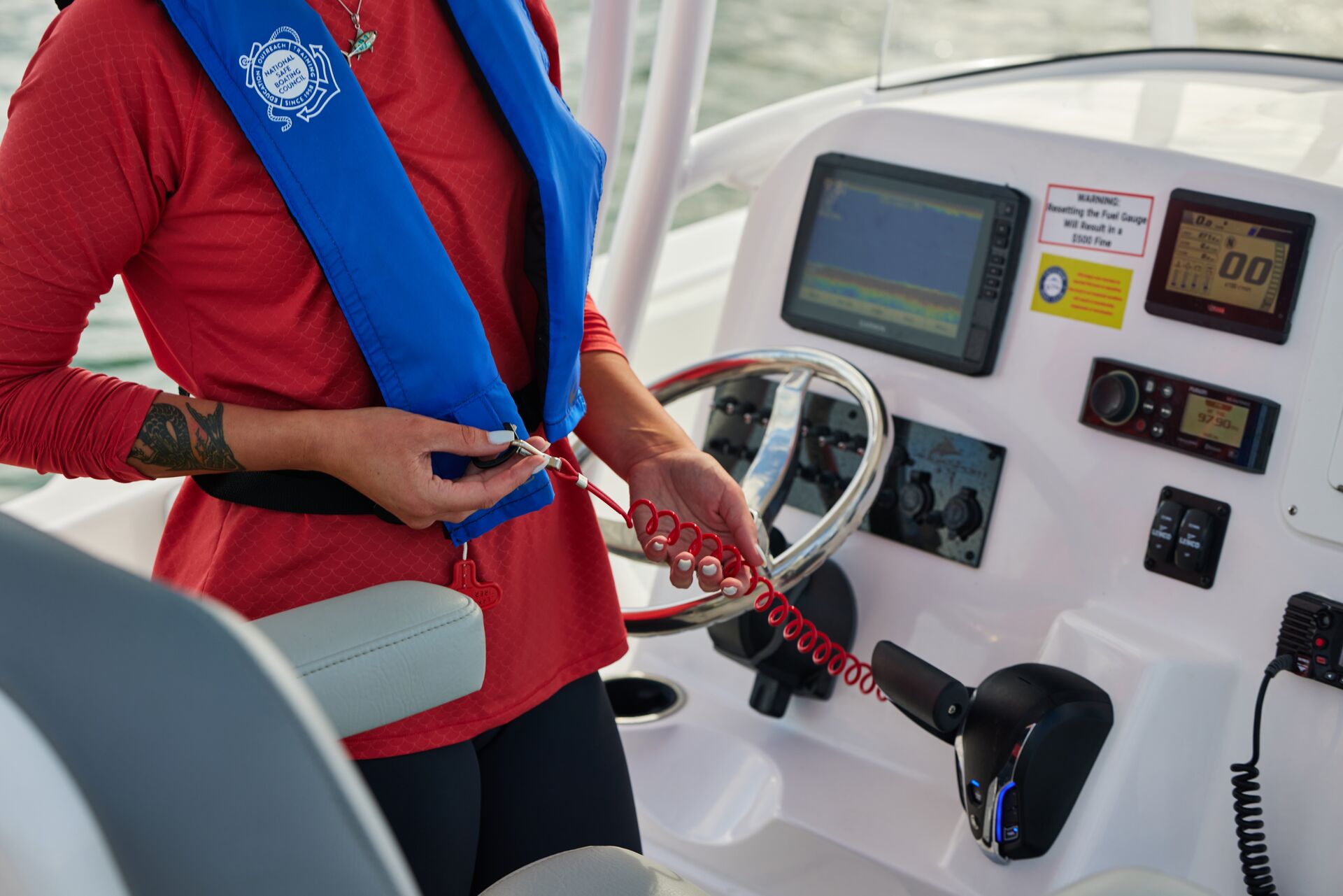
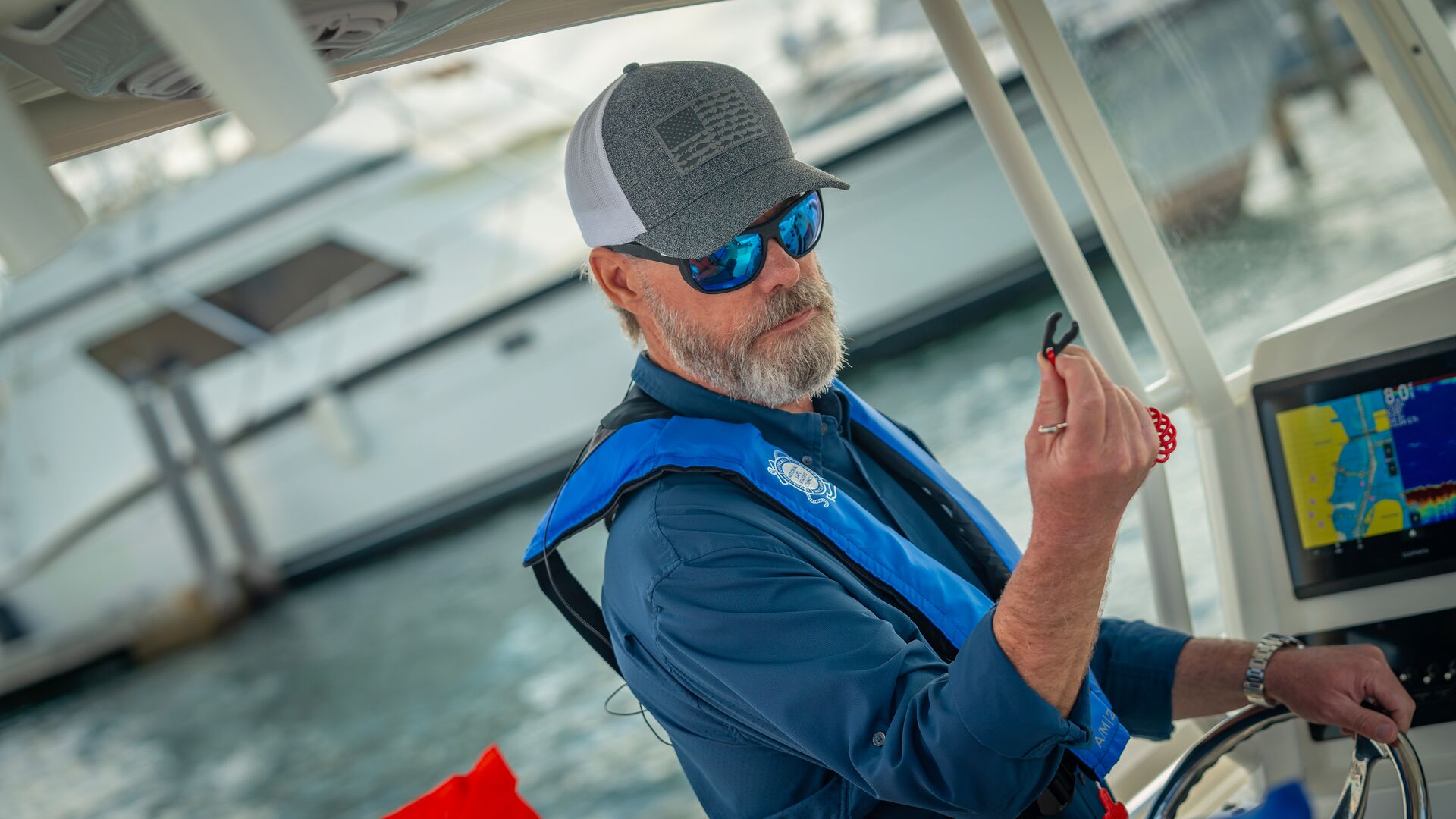
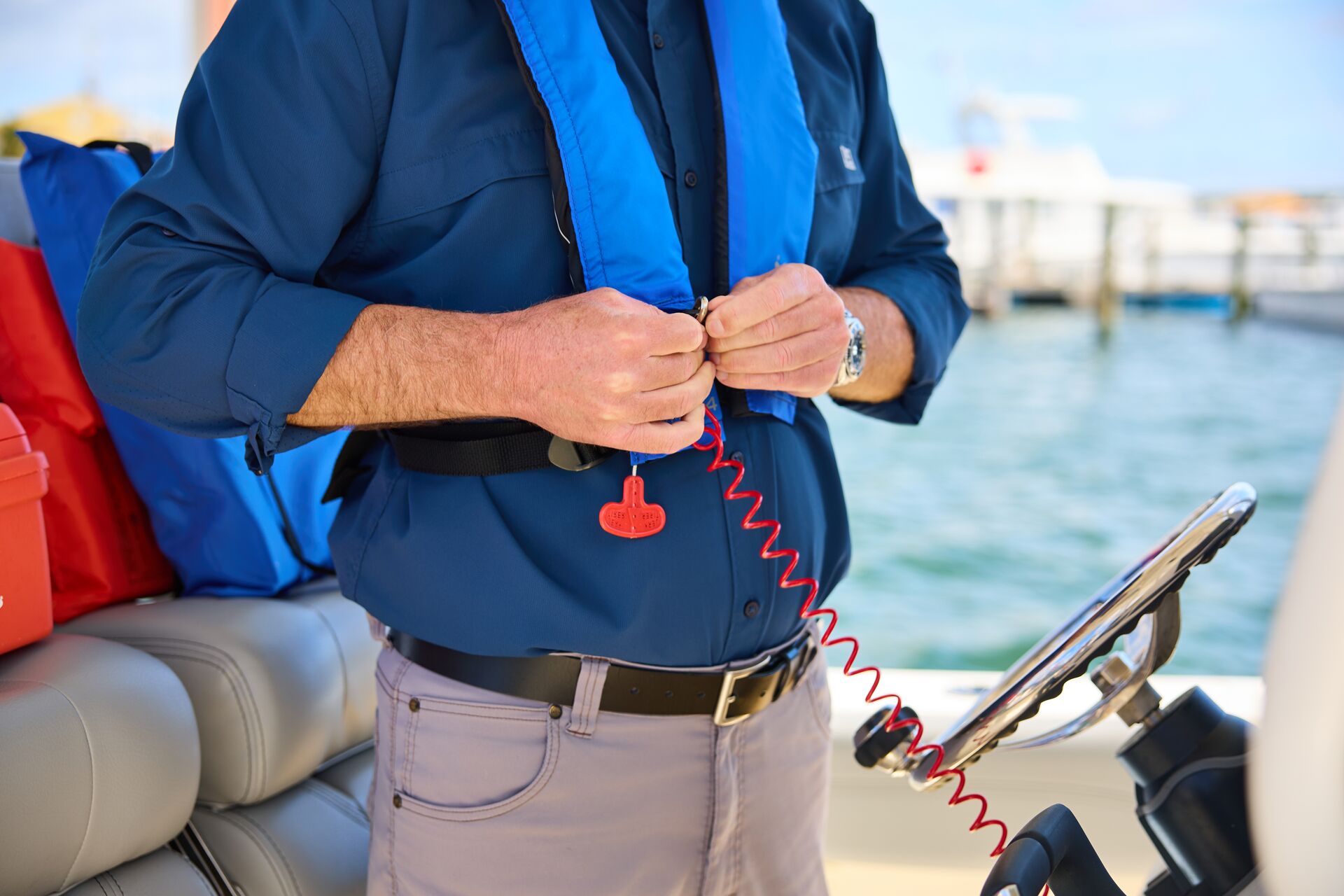
A traditional kill switch works by attaching a coiled lanyard to your belt loop or life jacket. It clips to you and is connected to the ignition.
There are also wireless options that use wearable wristbands or fobs. These are more modern, but both types of kill switches are effective in stopping your boat and increasing the safety of those around you.

Why Is a Kill Switch Important?
A kill switch prevents a runaway boat or PWC.
If you end up in the water unexpectedly, your vessel will stop and won't keep moving forward without you at the controls. That not only helps protect you and allows you to get to your boat or jet ski more easily, but it also protects others nearby.
A boat that's left running and unattended can circle back and strike you with its propeller. It could also hit other people in the water or come into contact with other vessels, docks, buoys, or other types of obstacles in the water.
Not only is it a crucial piece of safety equipment, but having a boat kill switch helps you comply with the law. Many regions require the use of a kill switch for vessels on the area waterways. The U.S., for example, requires the use of a kill switch for specific types and sizes of vessels.
What is the Law?
As of April 2021, recreational vessels under 26 feet with engines of three hp or greater must have an engine cutoff switch in use when they are on plane. It's also important to check your local regulations, as some states have additional laws beyond the federal requirement.
Kill Switch Tips for Boaters
To ensure you remember to use your boat's kill switch properly, always clip it to your person or ensure your wireless connection is set up and working correctly before starting your vessel's engine.
If your boat has a kill switch that requires a lanyard, be sure to test it regularly and replace the lanyard if it becomes worn, frayed, or damaged.
Having a lanyard-style kill switch is common, but it can also be awkward if you frequently move around your boat. In cases where you don't typically stay in one place on your vessel, consider upgrading to a wireless system for convenience.
When Should You Use a Kill Switch?
You should always use a kill switch whenever your boat's engine is running, especially while underway and moving through the water. This is particularly crucial for solo boaters, because you won't have someone else onboard who can turn off the engine if you fall overboard.
Having a kill switch for your boat is also essential for high-speed operation and for anyone operating a tiller-steered outboard. If you're not sure whether you need a kill switch for your particular vessel and the way you use it, it's always best to err on the side of caution and use one, even if it's not legally required.
A Kill Switch for Boat Adventures Could Save Your Life
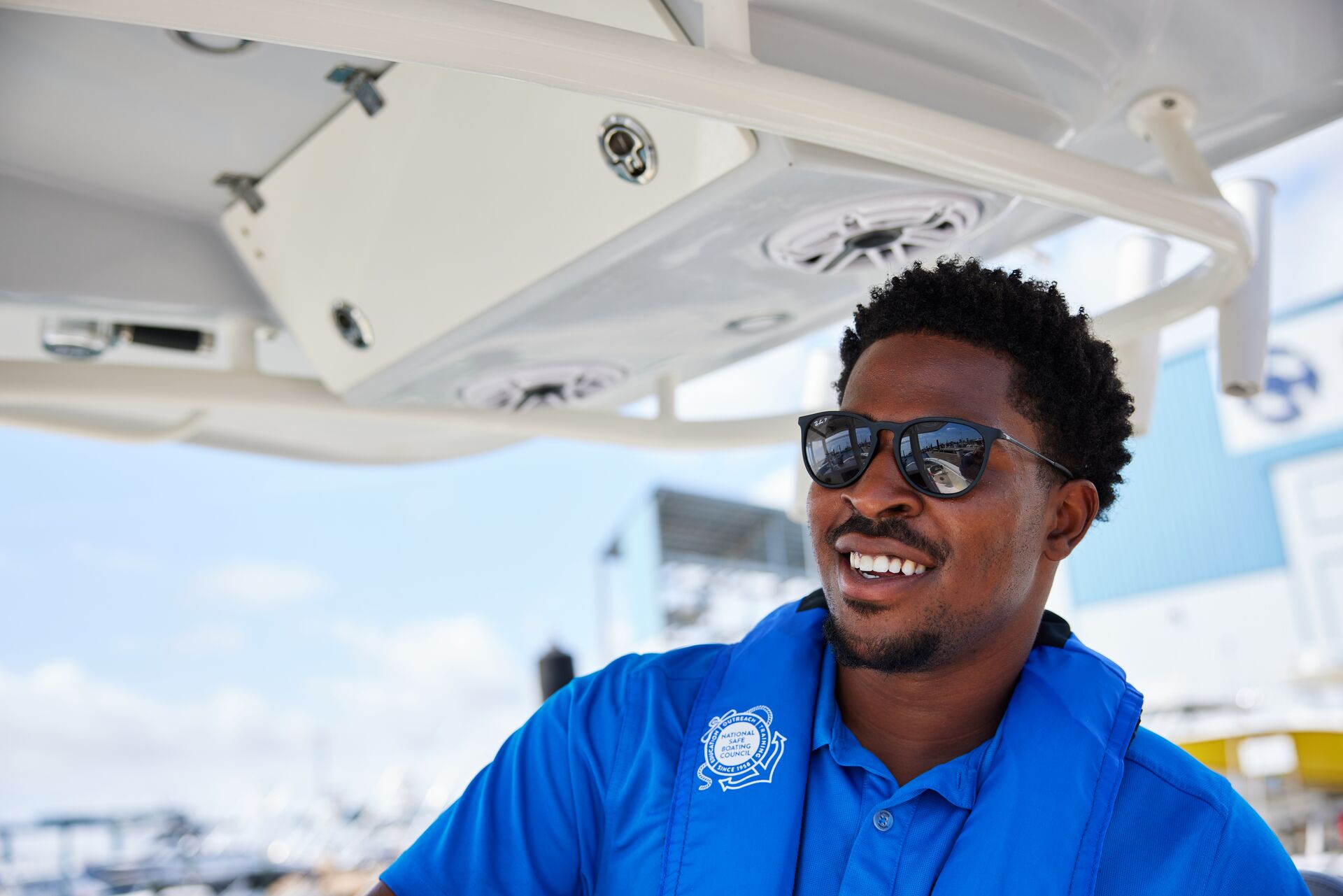
While a kill switch for boat engine cutoff is a small tool, its safety benefits are significant. Treat your kill switch like critical gear, just as you would life jackets, a fire extinguisher, and other essential safety equipment for boating.
Another way to add an extra layer of safety to your boating adventure is to take an online boater education course through ilearntoboat. Our courses teach you about navigation, safety, boating etiquette, and other vital skills so that you can boat with confidence. Plus, our courses meet state requirements for boater education!
Before your next boat adventure, take the ilearntoboat course for your state, then boat safely and legally!
Frequently Asked Questions (FAQs)
Check out the answers to common questions about boat kill switches!
Q: What does a kill switch on a boat do?
A: These switches shut off the engine if the operator falls overboard or away from the controls. This quick action helps prevent accidents.
Q: Do all boats need a kill switch?
A: No, not all boats need a kill switch. However, many small powerboats are required by law to have one for safety.
Q: Where is the kill switch on a boat?
A: You'll usually find it near the helm, close to the throttle controls or ignition.
Q: What if my boat doesn't have a kill switch?
A: You can install an aftermarket switch for added safety and compliance.
Q: Does a kill switch stop thieves?
A: No. These switches are primarily safety devices, not anti-theft measures.
Take the ilearntoboat course for your state, then boat safely and legally!