Boat Mooring and Anchoring: A How-To Guide
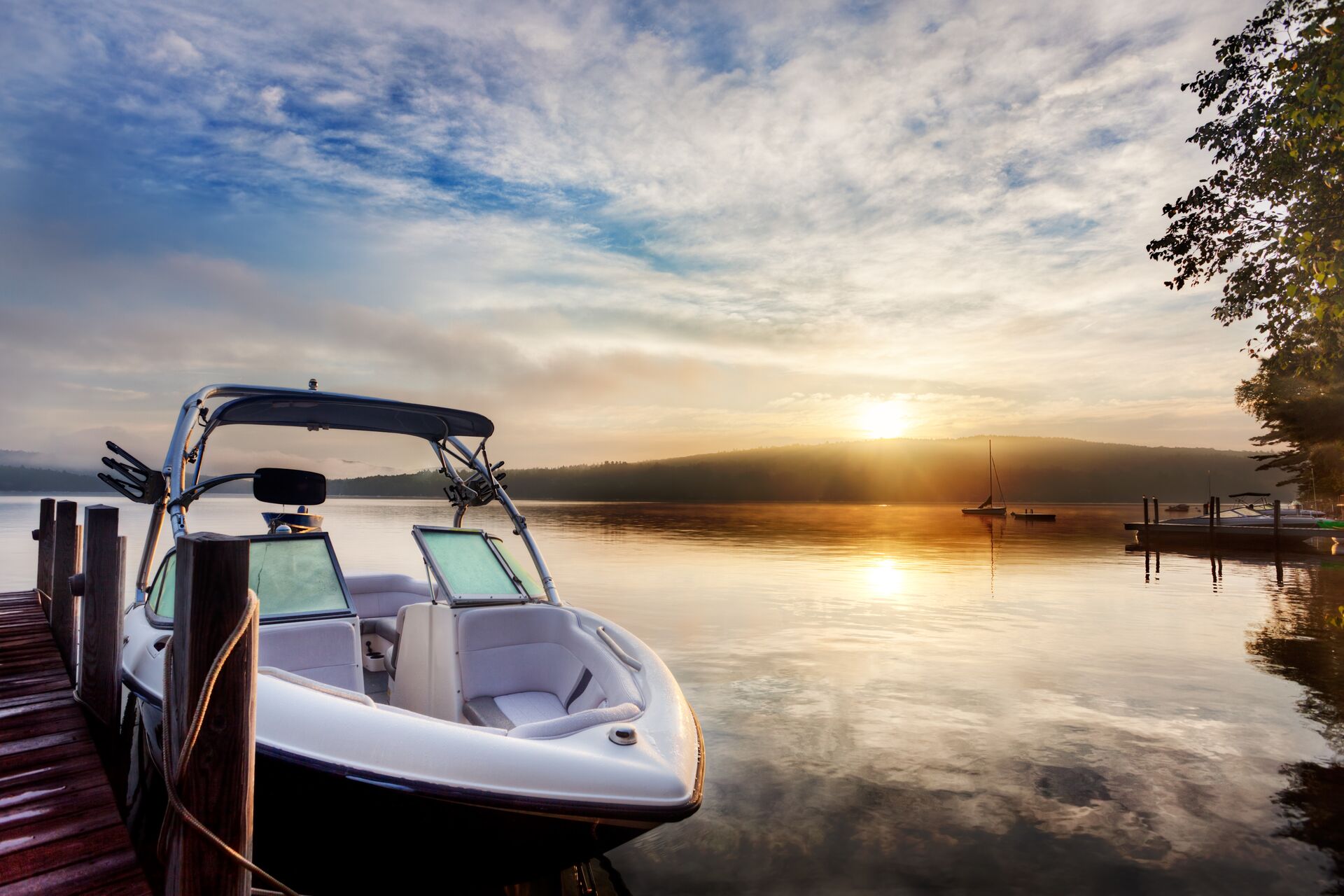
There you are, it’s a beautiful day out on the water. Then, your guests are ready to eat and swim. Or, perhaps it's time to drop an anchor in your favorite fishing spot to start reeling in fish.
Will you be mooring the boat or anchoring the boat to hold your boat in one spot for food and fun in the water? Are these two boating actions different?
What is mooring? What are the steps in anchoring a boat? We're here to explain! Today, whether you operate a pontoon boat or a large yacht, let's focus on the process to moor a boat (securing a boat to a fixed object) vs. the art of anchoring.
Moor vs. Moored vs. Mooring vs. Anchoring
Aren't all of these terms interchangeable for "keeping a boat in one spot?"
Actually, no. Let's review some definitions:
- To Moor: The act of securing a boat to a fixed object, like a dock, pier, or a mooring buoy.
- Moored: Anchored. Made fast to a pier, wharf, etc.
- Mooring: Permanent ground tackle. A place where vessels are kept at anchor.
- Anchoring: the art of setting the anchor to prevent dragging the anchor.
Clear as mud? Let's keep going.
What is Mooring a Boat?
Again, "to moor" is the act of securing your boat to a fixed object. The most common objects for securing a boat are piers or docks and mooring buoys.
Pier or Dock
What's the difference?
- A pier is a structure extending into and above the water used as a place for vessels to be made fast to shore.
- A dock is also a structure extended into the water, but it is typically fixed — while a pier will rise and fall with the tides.
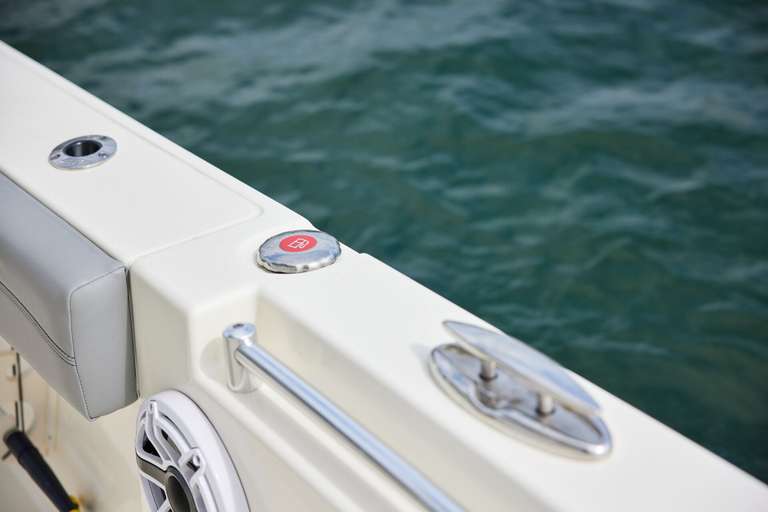
Both structures provide opportunities for the vessel to be made fast to shore using a combination of mooring lines (or to the "landlubber" known as dock lines) and bollards, cleats, or pilings.
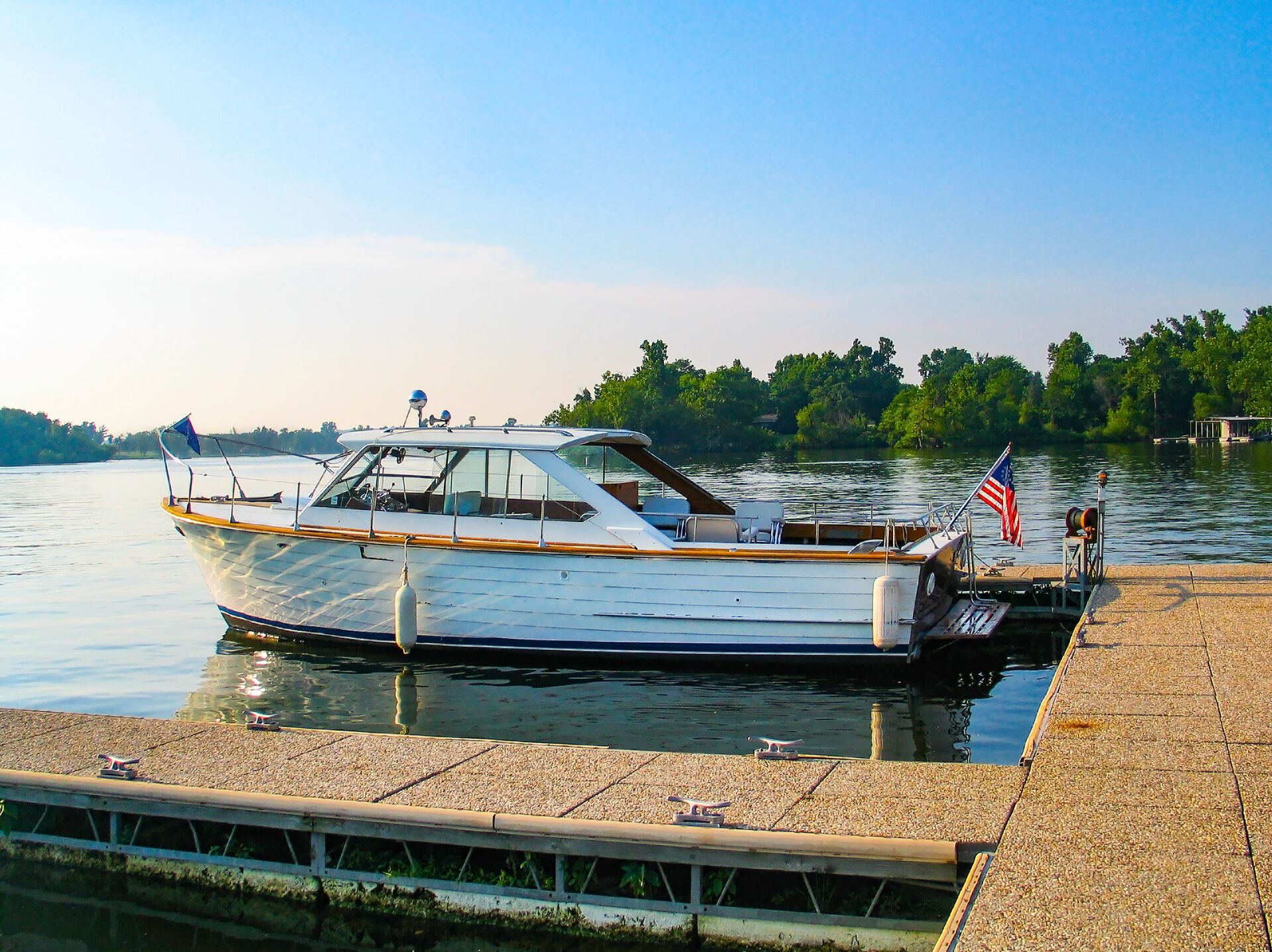
How to Moor to a Pier or Dock
Knowing how to moor your boat is a crucial boating skill and a big part of safe, responsible boating. Here's what to do.
- While approaching the pier or dock, determine if the wind and current are going to play nice or will challenge your skills and patience.
- Before arriving at the pier, secure the fenders, bow/stern, and fore/aft spring lines on the corresponding side of the vessel that will be parallel to the pier.
- Approach the dock no faster than you’d want to hit it.
- When close, either pass the aft spring line to someone on the pier or dock, or gently step off the vessel. Secure the aft spring line to the cleat on the structure. Note: The aft spring line prevents the vessel from moving forward while also pulling the vessel in tight to the dock.
- Secure the bow line, stern line, and forward spring line to the cleats on the pier or dock.
Before considering your boat "moored," confirm if additional chaffing gear is required, or if additional slack in the lines is required for tides. Always double-check knots and cleats, too.
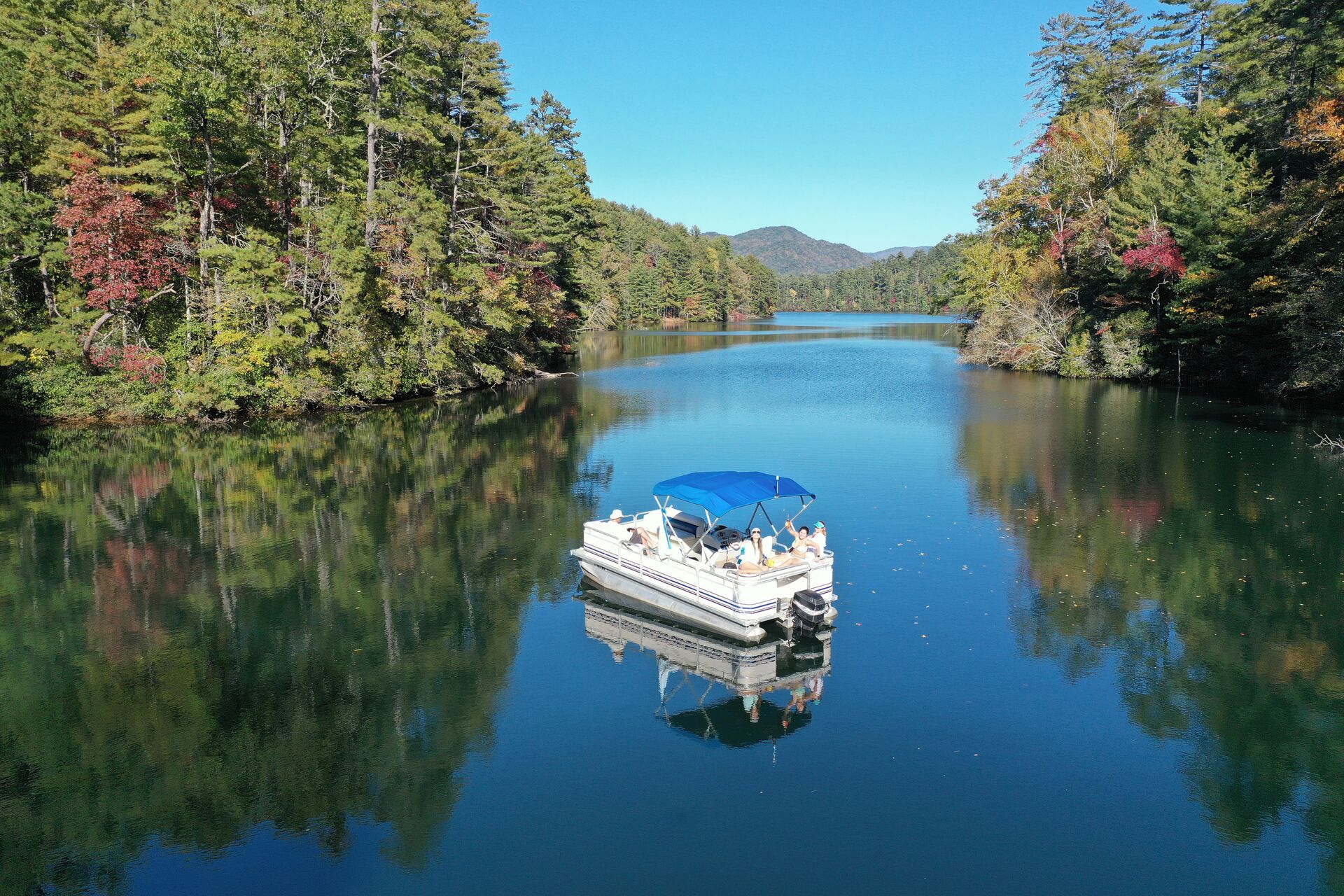
What is Anchoring a Boat?
We consider this process the "art" of anchoring and not the "sport" of anchoring.
The goal is to properly set the anchor in a way that provides the greatest opportunity to hold fast to the seabed. It is not about how far one can toss the anchor in a show of strength!
What are the Types of Anchors?
Yes, there are different types of anchors! Using the right one in the right conditions is important.
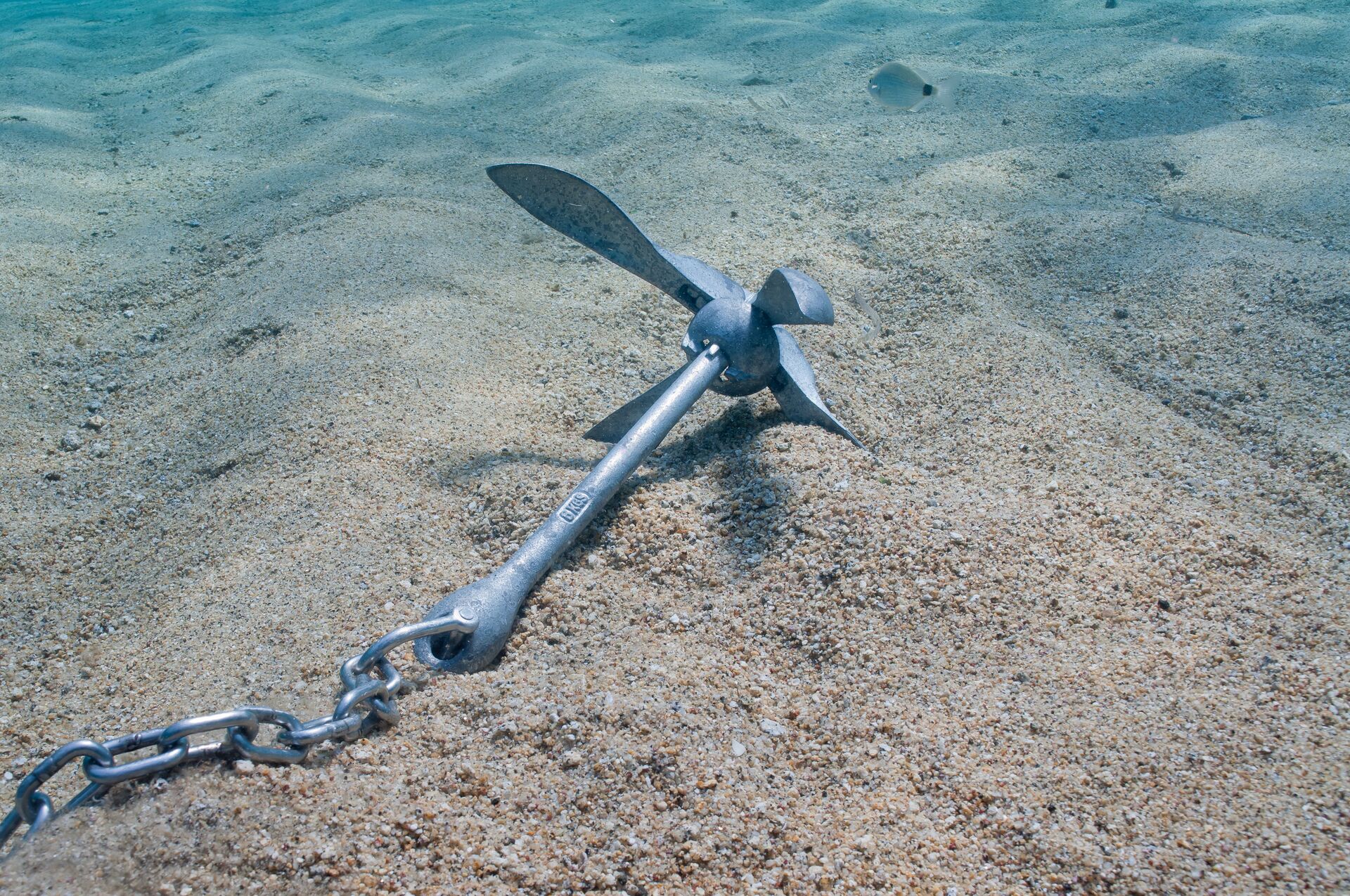
There are four popular anchor options: Fluke (Danforth-Type), Plow/CQR, Claw/Bruce, and SHHP (Super High Holding Power).
Fluke or Danforth-Type
This is a popular anchor because it is light for its holding power. It digs in well in soft bottoms like mud and sand, but can slip in rocks and grass.
Plow/CQR
It looks just as you think, with its shovel-shaped flukes, and holds well in mud, sand, and gravel.
Because it’s hinged, it continues to hold while the vessel swings in the wind or current. However, the downside is that they’re challenging to stow due to their shape.
Claw/Bruce
Similar to the Plow/CRQ, the flukes of this anchor are in a claw shape and hold well in mud, sand, and gravel. As it isn’t hinged, it's almost foolproof, but it is the most challenging to stow.
SHHP (Super High Holding Power)
Relatively newer to the market, the SHHP anchor incorporates the best features of the previous three. It's one piece, excellent in mud, sand, and gravel, and will self-right with its integrated roll bar.
However, it is also bulky to stow.
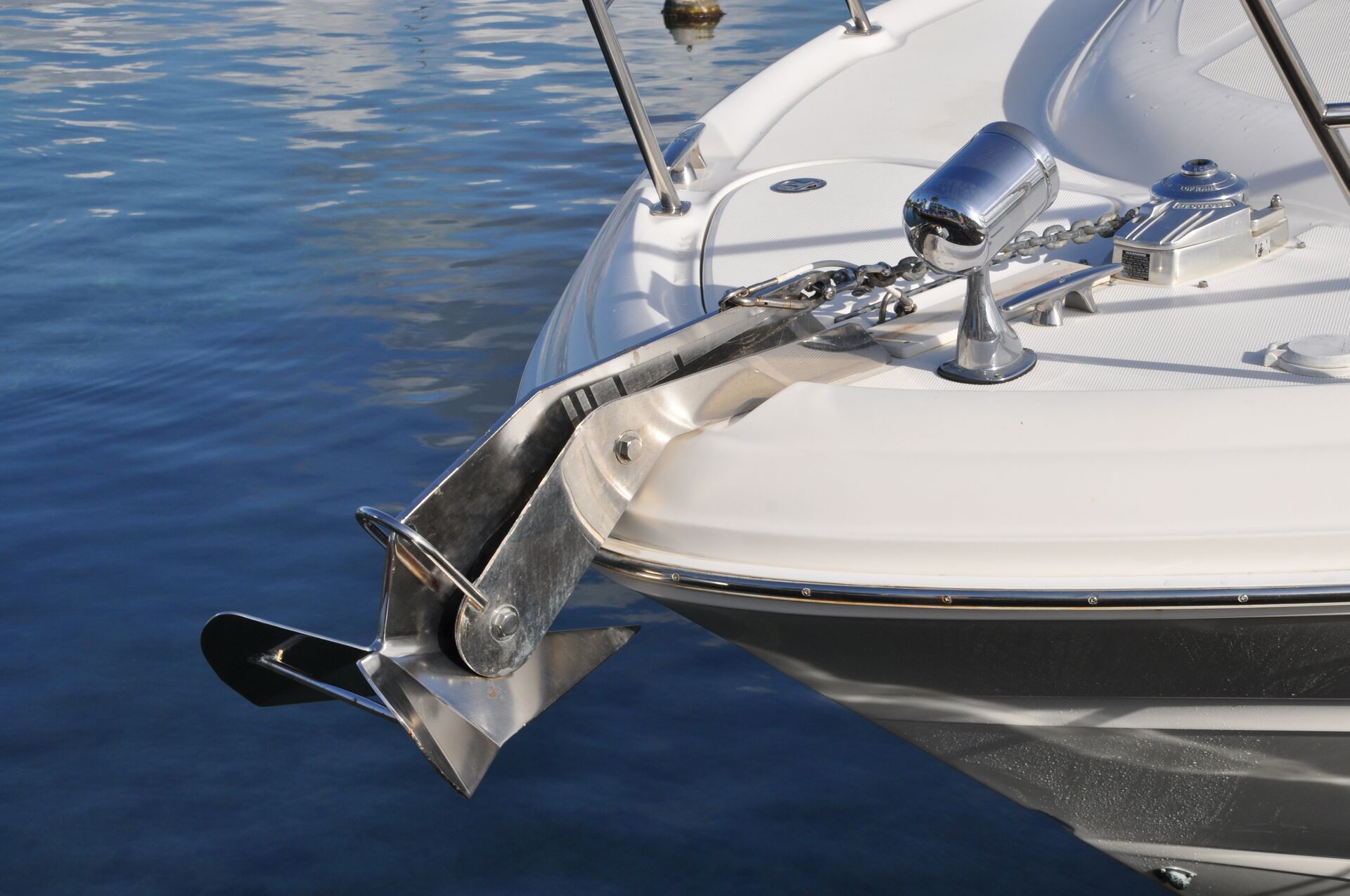
How to Anchor a Boat
With the right anchor, here are some things to consider before deploying the anchor.
Know Your Boat
Know your boat and be very mindful of how it will swing while at anchor.
- Are you driving a powerboat or sailboat?
- What is the draft of your boat?
A sailboat will have a greater draft to consider related to water depth. Current also affects a sailboat differently than a powerboat due to the depth and design of its keel.
Plenty of times I’ve witnessed a sailboat pointed in a completely different direction due to the current compared to a powerboat also anchored nearby. A couple of hours later, the sailboat is 180 degrees different due to the change in tide.
Understand Where You Plan to Anchor
Are you anchoring for the afternoon near a sandbar or bay with other boats, or overnight in a designated anchorage area? Are you required to display additional day shapes or lights at night?
Check the charts to help determine the depth and any potential hazards, like shallow water that could cause you to run aground. For example, if you are anchoring in 10 feet of water, you’ll need 50-70 feet of anchor rode. The vessel will swing in a circle around the anchor. Make sure you have enough swing room for changing conditions.
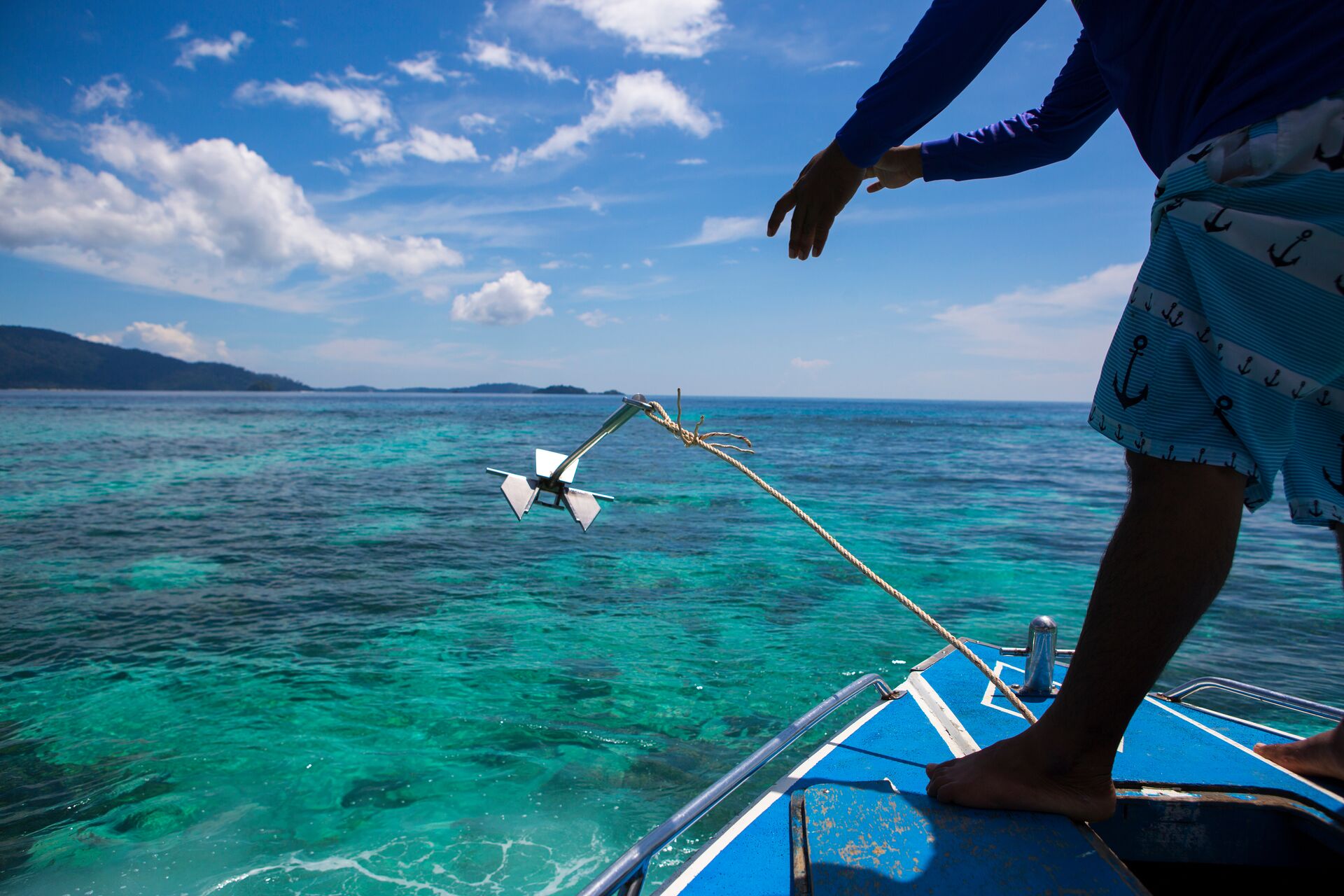
The Anchoring Process
What's next? Let's use an example of anchoring a 25-ft. boat in 10 feet of water, for a couple of hours in the afternoon, with a light but steady wind and no current to contend with.
- Determine the best spot and prepare the ground tackle for deployment.
- Once your preferred spot is confirmed, proceed 50-70 feet into the wind and beyond your final spot, accounting for the rode about to be deployed.
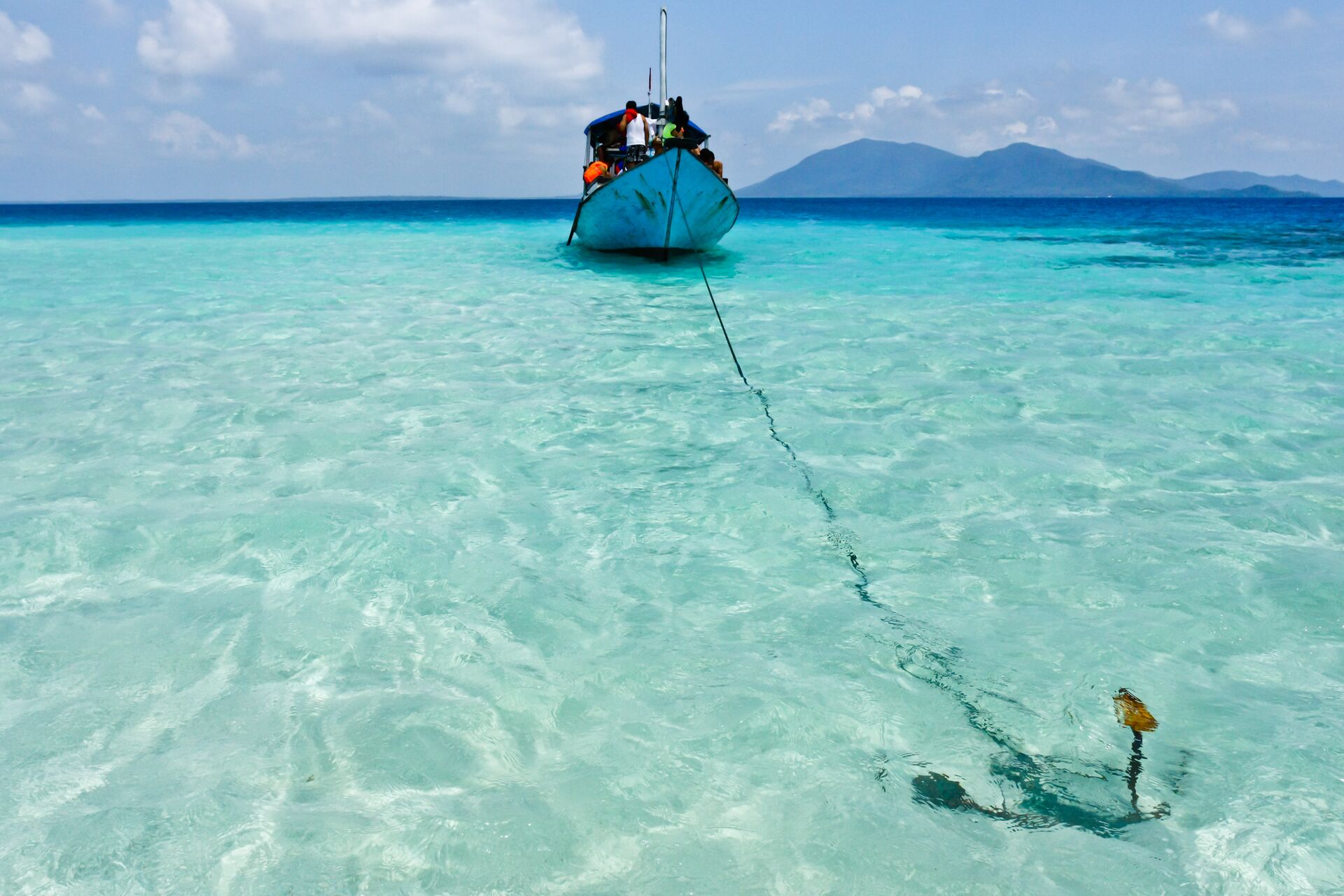
- Put the vessel into neutral while you slowly lower your ground tackle (anchor and attached rope) into the water. Don't throw it. Because we are anchoring in 10 feet of water, we will need to let 50-70 feet of rode out to achieve the proper scope.
- Let the wind, and if needed, some reverse propulsion, move the boat downwind from the drop point.
- Once the appropriate rode is out, secure it to a bow cleat or windlass, and check for drag.
How do you know the anchor is set? As soon as the boat is put into neutral again, the anchor rode should go from being tight to slack as the boat is pulled forward gently by the anchor rode stretch.
Another method is to cross-point reference with objects on shore. If the angle of those objects changes with time, then the anchor is dragging.
Retrieving the Anchor
Eventually, you'll want to pull the anchor and get on with your boating adventure!
When it's time to pull anchor, use the vessel's engines to move the boat over the anchor. Do not use the windlass to pull the boat forward — it's designed to assist in lifting the anchor from the seabed, not pull a boat forward.
If the anchor is stuck, use the buoyancy of the boat to help release the anchor. Again, do not use the windlass. There is more mechanical advantage using the buoyancy of the boat!
An Anchoring Success Story
So there I was, in 1998, delivering a boat from New York to St. Thomas at the end of October with a stop in Bermuda. It was a short-handed delivery — just the owner and myself. As he had previously circumnavigated the world twice, there was a lot for me to learn from him.
Hurricane Mitch had just devastated Central America and was headed our way. As the owner also lived on his boat full-time, he was going to do everything he needed to ensure the best outcome. This included distributing five anchors in a star pattern to account for any deviation of the storm track and resulting wind shift.
Lucky for us, Mitch stayed far enough away that the winds were just shy of hurricane strength. It was a humble reminder that, while I thought I knew a lot, there is still a lot more I need to learn.
Learn More About Boat Mooring and Safety with a Boater Education Course
Boat mooring and anchoring are essential skills for safe boating. Knowledge is important, but practicing what you know establishes a history of action that develops into confidence with time.
Being confident in securing your boat brings peace of mind and keeps everyone safe.
While we've covered a lot here to help you moor and anchor safely, there's much more to know about staying safe on the water. Taking an online boater education course through ilearntoboat is the best way (and fastest way) to learn everything you need to know for safe boating practices — and to meet your state's requirements for boater education.
Whether you have more boating adventures planned this year or you're looking ahead to next season, now is an excellent time to get your safety certification!
Take the ilearntoboat course for your state any time.
Frequently Asked Questions (FAQs)
We have answers to your questions about boat mooring and anchoring!
Q: What does boat mooring mean?
A: Mooring is securing a boat in a fixed location using permanent fixtures like a dock or pier, buoy, or anchor system.
Q: What's the difference between docking and mooring?
A: "Docking" means tying your boat directly to a pier or wharf. However, "mooring" usually involves securing it to a buoy or anchor away from shore.
Q: How do you properly moor a boat?
A: Approach slowly! Then, secure the bow line to the mooring point (like a buoy or cleat), and attach spring and stern lines for stability.
Q: What does anchoring a boat do?
A: Anchoring holds your boat in place using a heavy anchor dropped to the seabed. Doing this prevents your boat from drifting with the wind or current.
Q: Can you just anchor your boat anywhere?
A: No. Anchor only in designated or safe areas and away from swimming zones, channels, and environmentally sensitive seabeds.
Q: How to anchor a boat for beginners.
A: Choose a safe spot and drop the anchor slowly. Let out enough anchor line (usually 5-7 times the water depth), then back the boat slightly to set it.
Take the ilearntoboat course for your state any time.