Post-Season Boat Maintenance [A Guide]
With this year's boating season wrapping up, it's time for end-of-season boat maintenance.
Not only does maintenance help protect your boat during the colder months, but it also makes it easier for you to de-winterize your vessel for spring. Here's what to consider (including an 8-step maintenance checklist) when preparing your boat for winter storage.
Why End-of-Boating-Season Maintenance Is Important
Maintaining your boat helps prevent costly damage caused by freezing temperatures. Cold weather can affect the engine block, bilge, water lines, and other systems, creating expensive problems that require repair in the spring.
Additionally, winterizing your vessel will protect its fuel system from corrosion and ethanol separation, extending the lifespan of the onboard systems, engine, and batteries.
It's essential to keep the boat clean, dry, and free of mold while it's in storage to minimize unexpected repairs in the spring and preserve its resale value. Even if you don't plan to sell your boat anytime soon, keeping it in great shape helps ensure you can get the most out of it when you do.
How End-of-Season Maintenance Is Different from Spring Maintenance
End-of-season maintenance, also known as winterizing, focuses on protection and preservation. Boat maintenance at the end of the season includes draining water, stabilizing fuel, fogging the engine, and protecting the hull and interior.
In contrast, spring de-winterizing focuses on reactivation. Spring is the time to charge batteries, refill systems, test electronics, and check safety gear.
Think of your fall boat winterization checklist as "shut down and protect" and your spring de-winterization list as "wake up and prepare."
Annual Boat Maintenance Checklist (8 Recommended Steps)
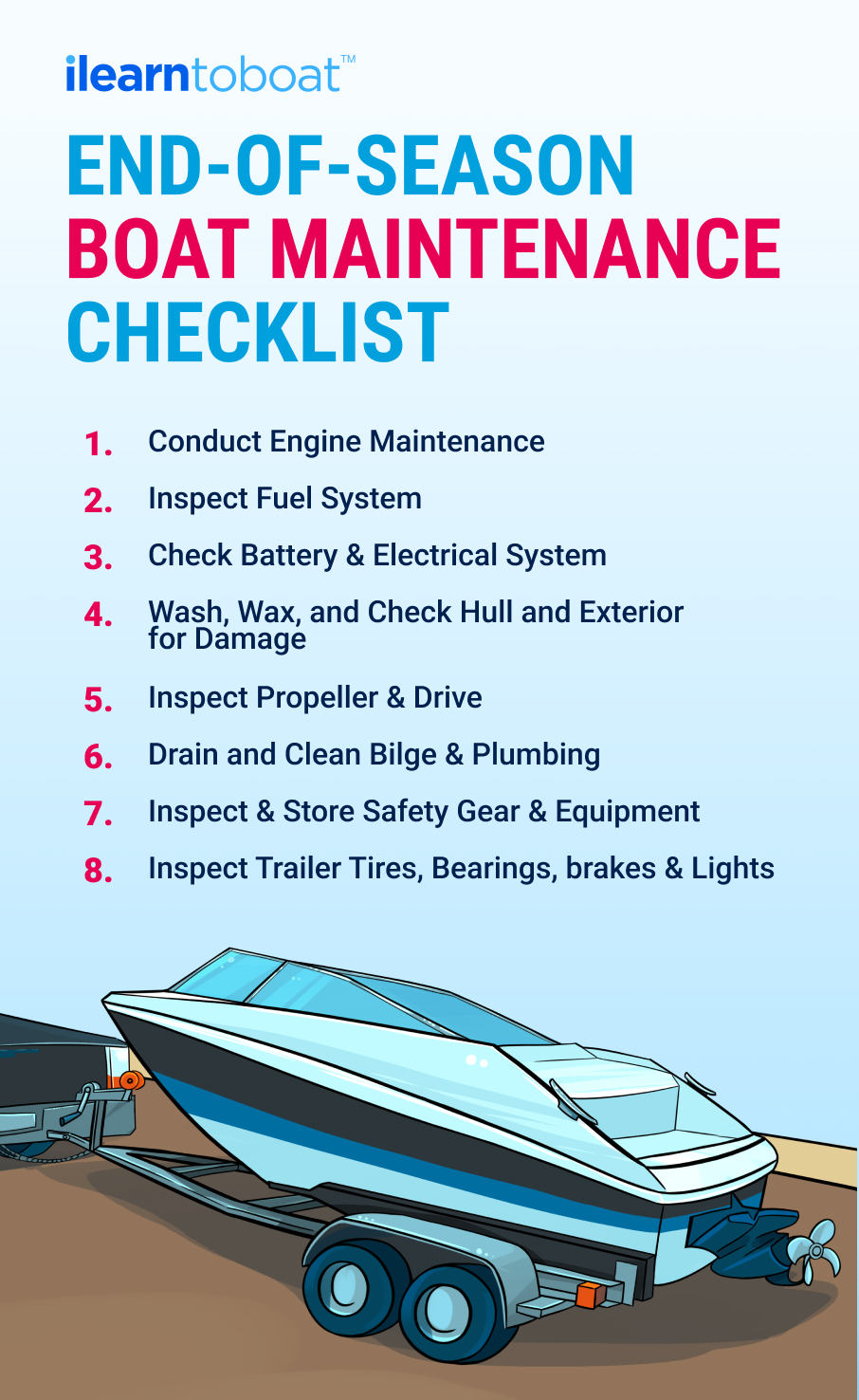
Properly winterizing your vessel is among the most crucial boat storage tips. For proper boat maintenance, use this yearly checklist as your guide:
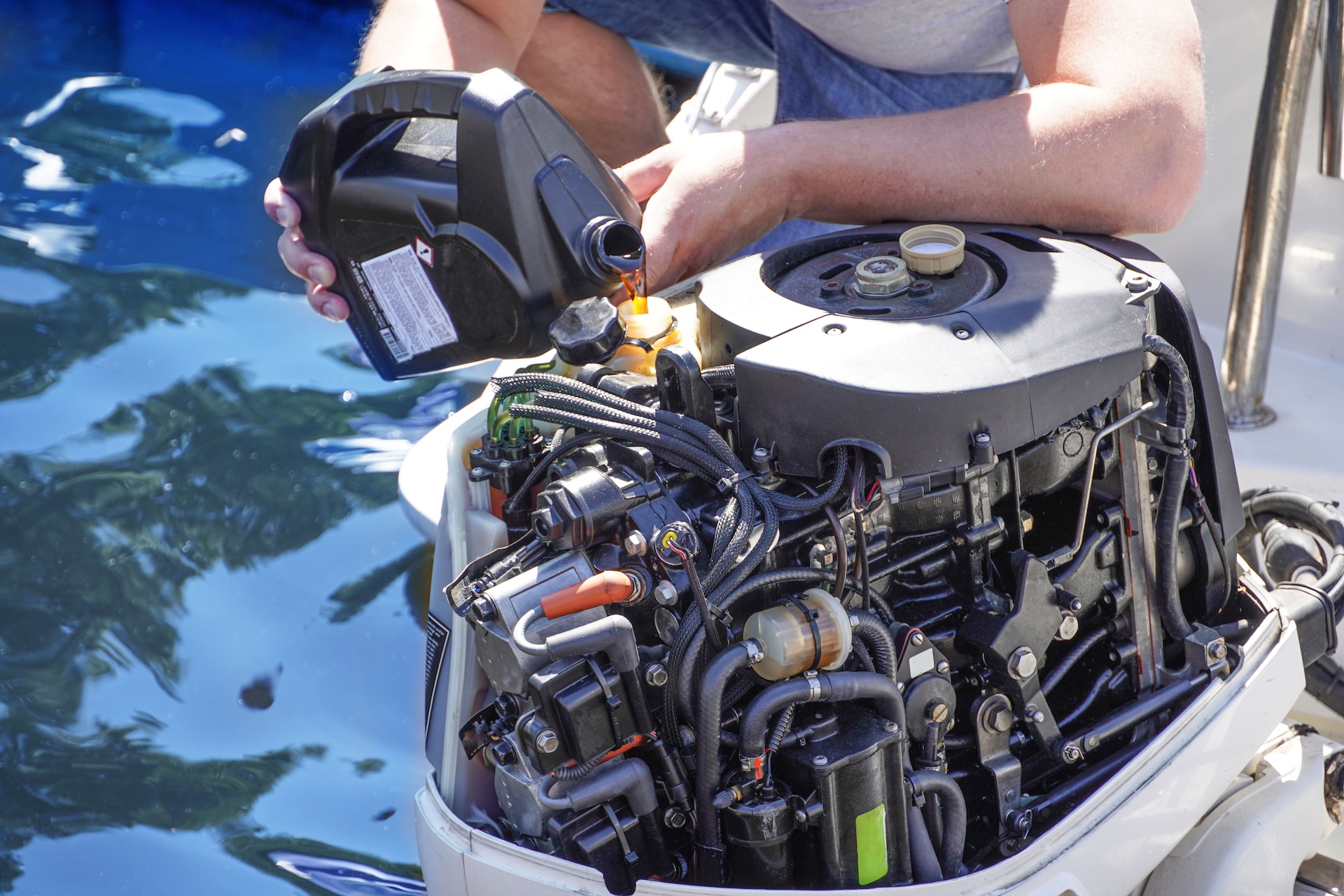
- Engine: Change the oil and filters, flush the cooling system, and inspect belts and hoses.
- Fuel system: Add a stabilizer, replace the fuel filters, and inspect all lines for leaks.
- Electrical: Charge and test your vessel's batteries, clean the terminals, and check the wiring.
- Hull and exterior: Wash and wax your boat, and check it carefully for damage or blistering.
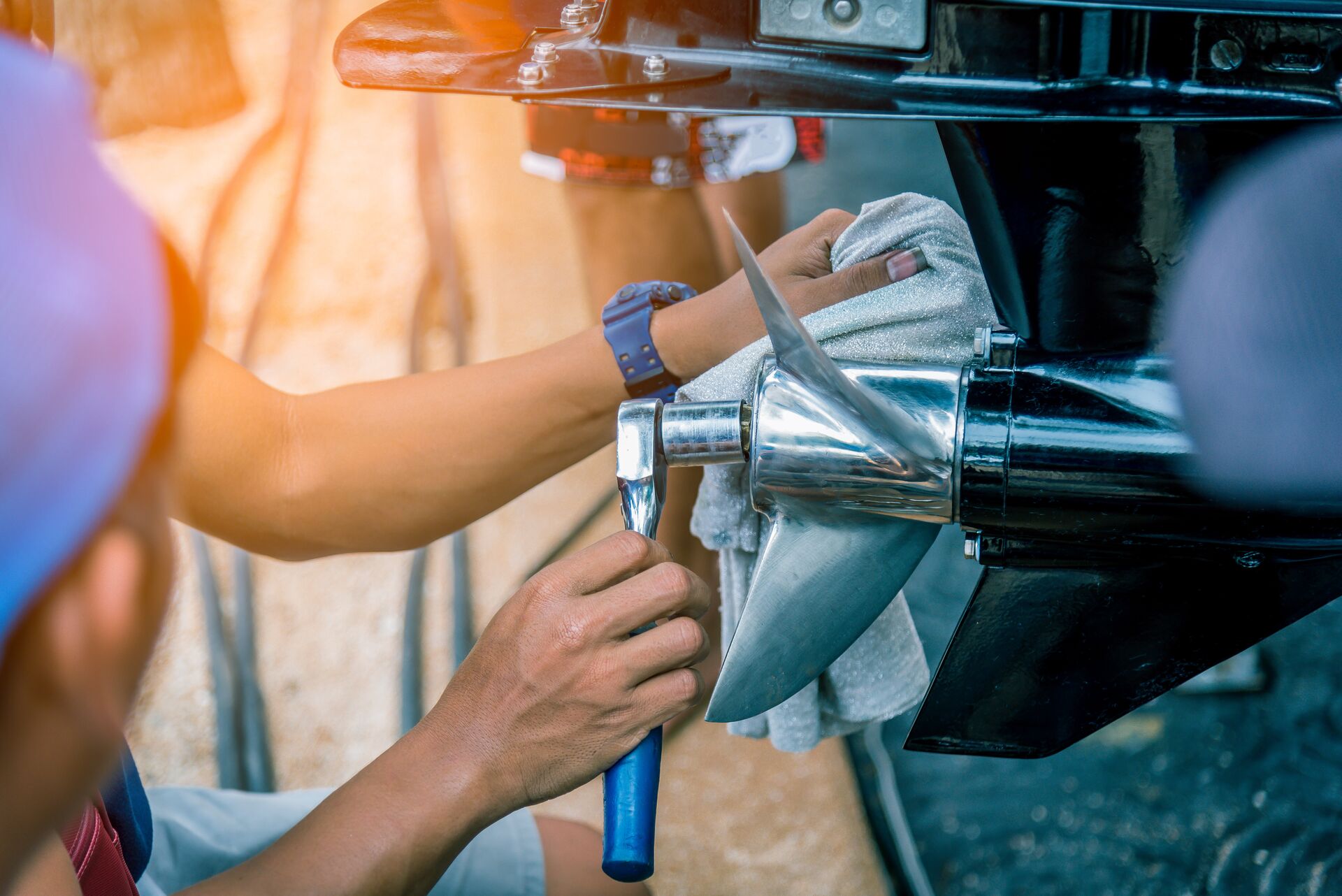
- Propeller and drive: Inspect the prop, grease all fittings, and check seals for leakage.
- Bilge and plumbing: Drain the water, clean out the bilge, and verify that the pumps are functioning correctly.
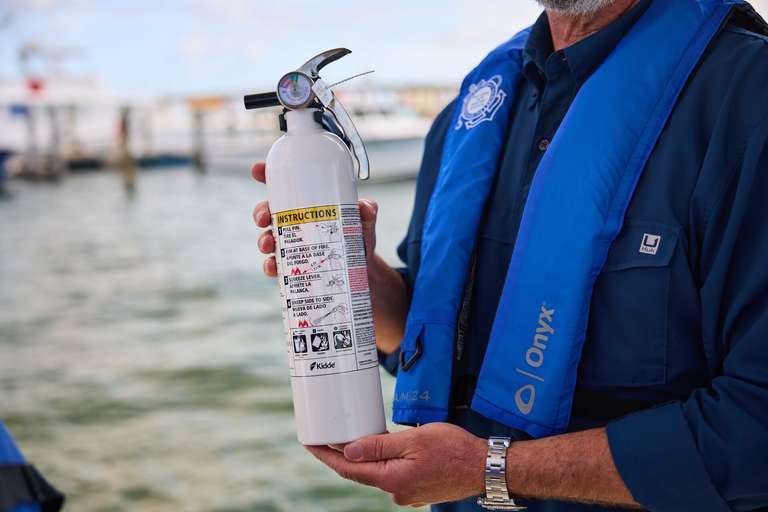
- Safety gear: Inspect your life jackets, fire extinguishers, flares, and navigation lights for damage or age.
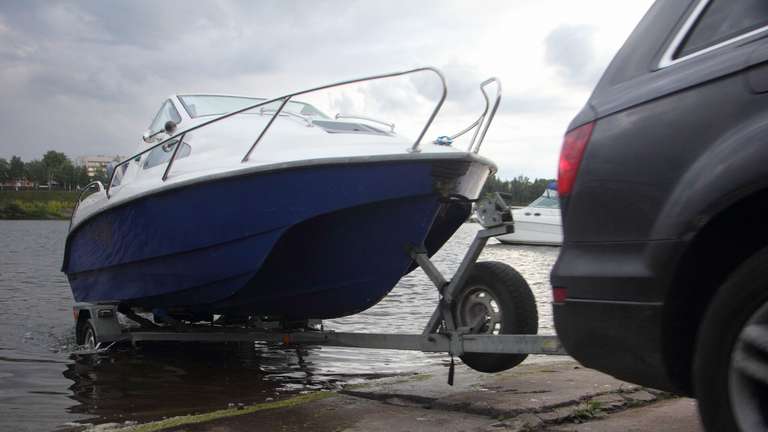
- Trailer (if applicable): Inspect the tires, bearings, brakes, and lights, and make any necessary repairs.
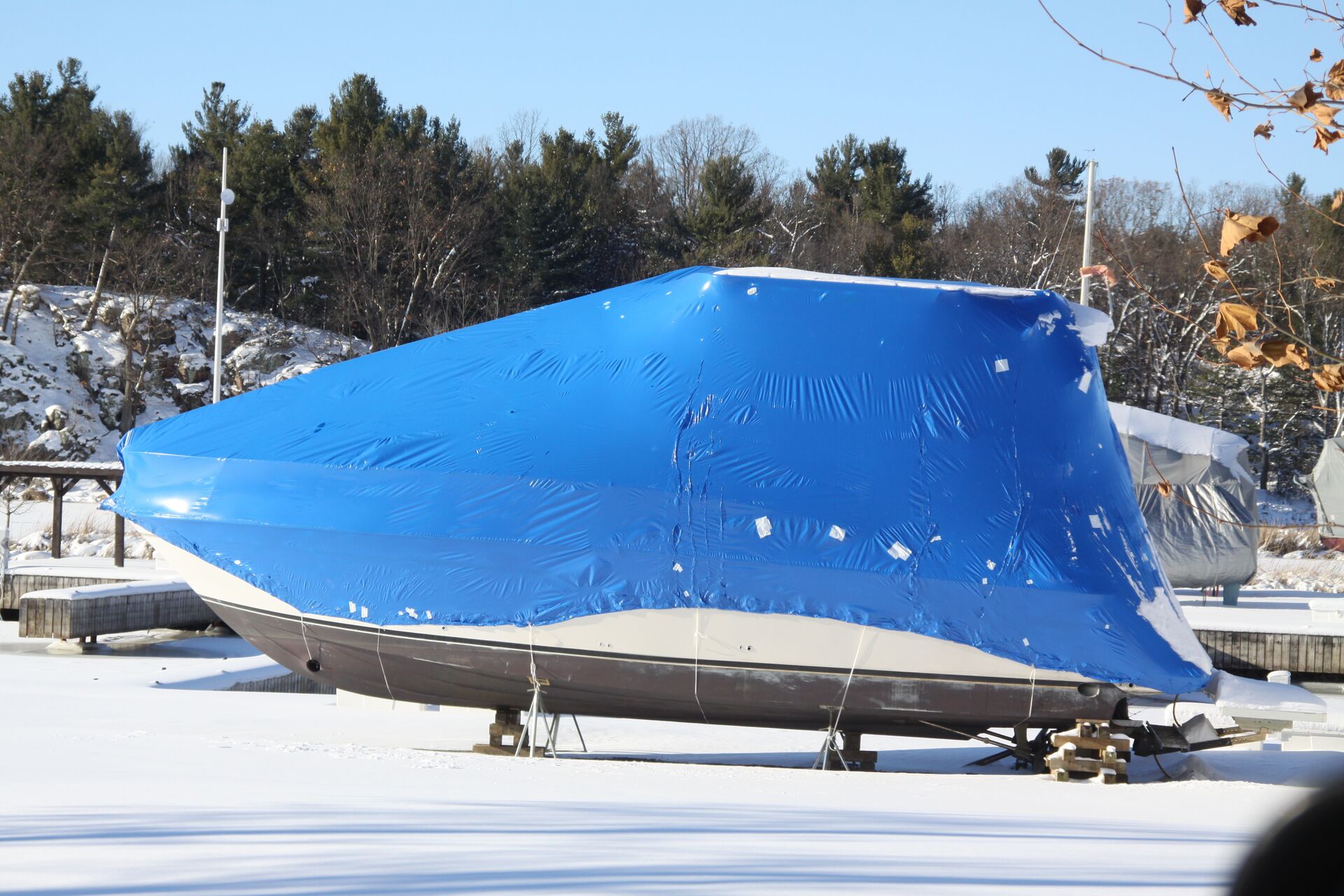
After your end-of-season maintenance is complete, store your boat safely to keep it in good condition when not in use.
Outboard Engine Maintenance
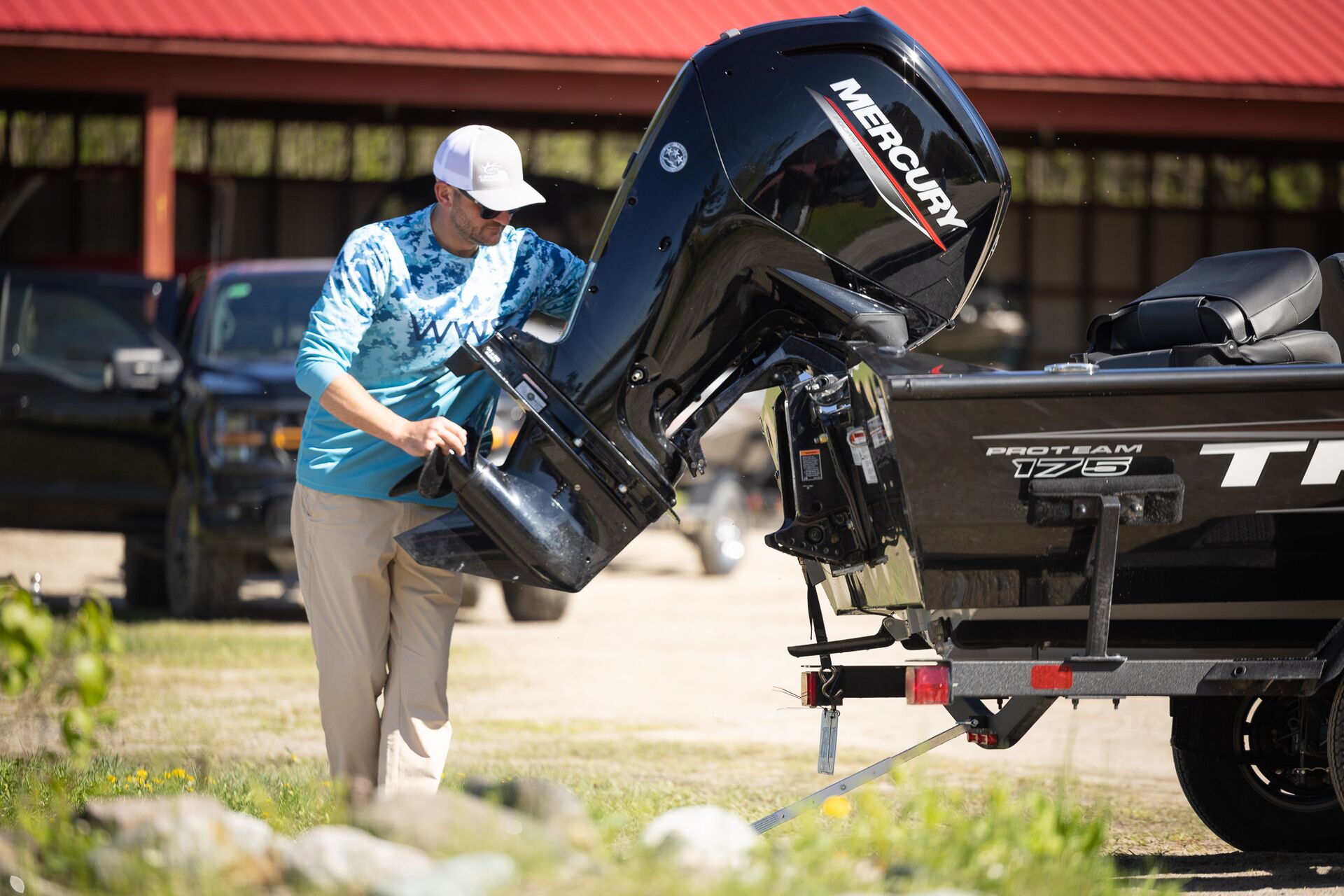
Fog the engine as well: this involves spraying fogging oil into the air intake to protect internal components.
You'll also need to drain and replace the lower-unit gear oil to remove any water and prevent freezing. Grease all the fittings and moving parts, including the steering, tilt/trim, and prop shaft. Charge your vessel's battery, then disconnect and store it.
Outboard engine maintenance should also include inspecting the propeller and shaft for damage, as well as checking for fishing line. It's also a good idea to tilt the motor down during storage to minimize the risk of water accumulation.
Inboard Motor Maintenance
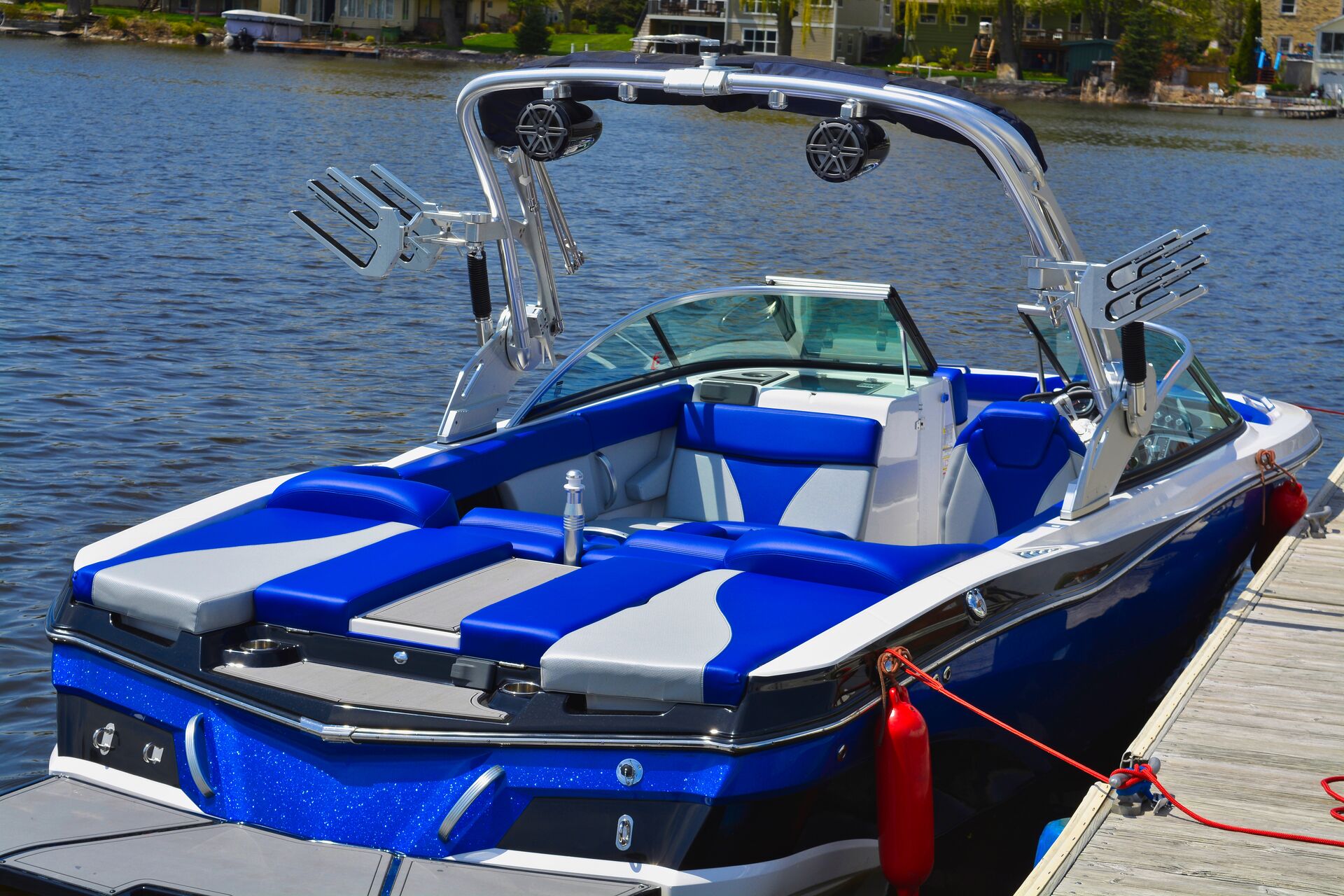
For inboards, change the engine oil and filters to dispose of any contaminants before storage. Flush the cooling system with fresh water and add antifreeze if your vessel's engine is raw-water-cooled.
You'll also need to stabilize the fuel, run the engine to circulate the treated fuel, and fog the engine cylinders to protect them from corrosion. If your vessel has a transmission, drain and replace the transmission fluid.
Take the time to inspect belts, hoses, and clamps for damage and wear, and replace them if needed. Grease the shaft and rudder fittings, and check the bilge and its pumps. Your vessel's bilge should be completely clean and dry before storage.
Remove the batteries, fully charge them, and store them in a cool, dry place. Take all of these steps after your last outing of the year, which may be a Labor Day adventure. However, no matter how late into the year you use your boat, proper care and maintenance will help it stay ready for next season's new experiences.
Key Differences (Inboard vs. Outboard Engine Maintenance)
There are several significant differences between outboard and inboard motor maintenance.
- Outboard maintenance focuses on the lower unit gear oil, external lubrication, and ensuring the motor is tilted correctly for storage.
- Inboards require attention to their cooling systems, transmission, and in-hull components, such as shafts, rudders, and bilge systems.
Shared tasks for both types of motors are fuel stabilization, fogging, battery care, and overall inspection, which are essential parts of marine motor maintenance.
What's the Most Important Piece of Boat Maintenance?
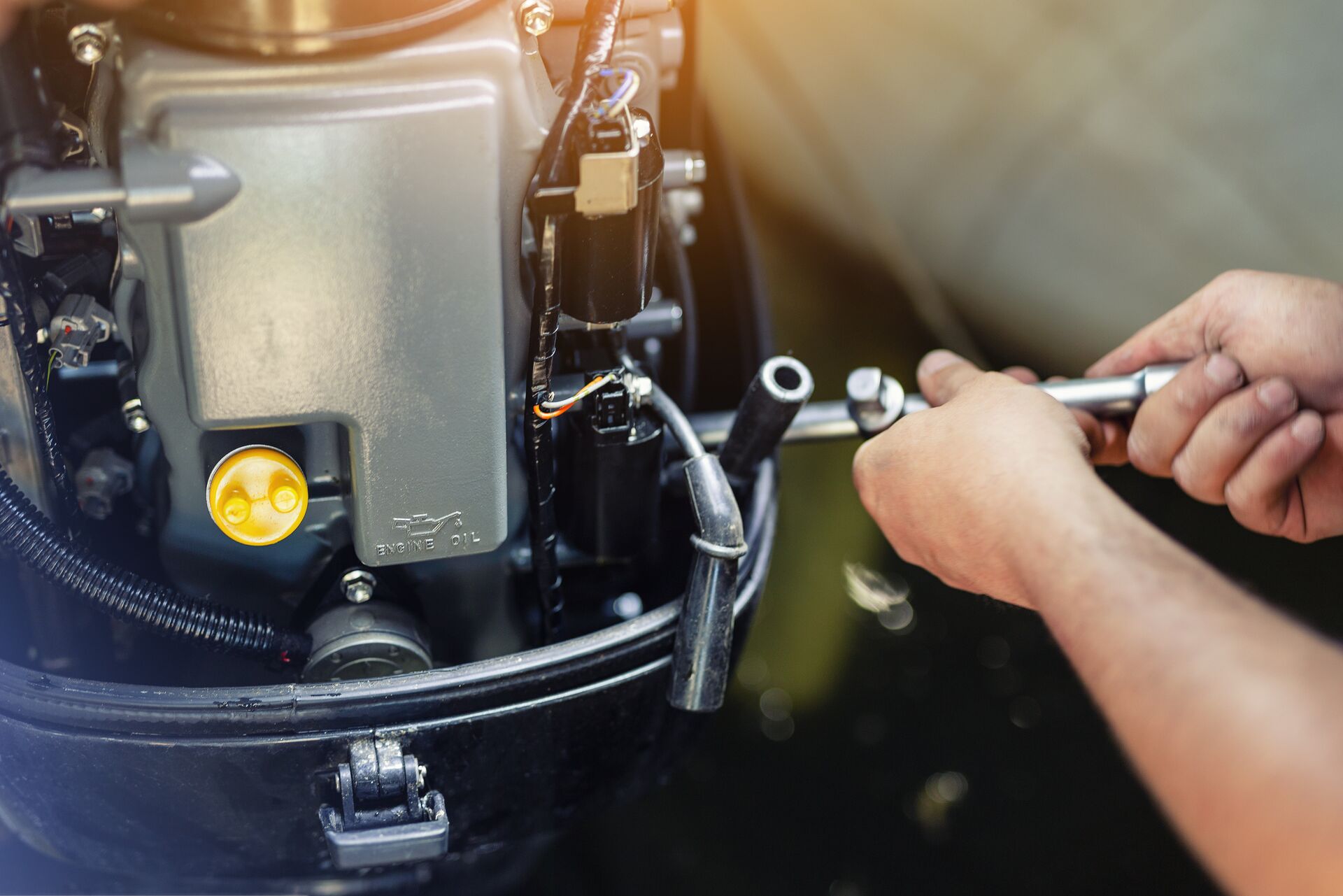
The most critical aspect of boat maintenance is engine care, which includes regular oil changes, fuel treatment, and cooling system maintenance. Without a healthy engine, your vessel won't operate correctly, and repairs can be expensive.
Additional crucial maintenance areas include the fuel system and hull protection for safety and longevity.
How Much Does It Cost to De-Winterize a Boat (in the Spring)?
In the spring, you'll need to de-winterize your boat as you take it out of storage and get it ready to hit the water again.
De-winterizing a boat typically costs around $150–$300 for basic services, including oil changes, battery checks, and system inspections. Larger boats or full-service packages that include fluids, filters, and impellers can cost $300–$600 or more. These expenses are very similar to the costs of winterizing your boat.
DIY de-winterizing costs significantly less and requires only supplies—typically $50–$150, depending on your vessel. The overall cost of de-winterizing a boat depends on its size, the type of engine, and local labor rates.
Learn More About Safe Boating With a Boater Education Course
Good boat maintenance is crucial for safe boating adventures! Use the checklist we provided today to take care of your boat at the end of the season. Doing this helps ensure it's in excellent condition when you're ready to de-winterize it and hit the water in the spring.
Taking good care of your boat is only part of being a responsible boater. A boater education course (like the ones we offer here at ilearntoboat) also helps you stay safe on the water. You'll learn about vessel maintenance, etiquette, navigation, and much more.
Plus, our boater safety courses help you meet your state's requirements for boater education before launching!
Whether you're wrapping up your boating season or planning ahead for your first spring water adventure, now is a great time to take the ilearntoboat boater education course for your state.
Frequently Asked Questions (FAQs)
We have answers to common questions about boat maintenance!
Q: What is recommended for annual boat maintenance?
A: Annual boat maintenance should include inspecting and servicing the engine, checking the hull for damage, cleaning and protecting surfaces, inspecting electrical systems, and ensuring safety equipment is up to date.
Q: How much does it cost to dewinterize a boat?
A: Dewinterizing a boat in the spring typically costs $150–$500, depending on boat size and whether you use a professional service.
Q: What is the most important piece of boat maintenance?
A: Regular engine maintenance is critical, as it ensures reliability and prevents costly repairs.
Q: What does every boat owner need?
A: Every boat owner needs life jackets, a fire extinguisher, a first aid kit, navigation tools, and proper registration/documentation.
Now is a great time to take the ilearntoboat boater education course for your state!