What is a Personal Watercraft (and How to Stay Safe On One)
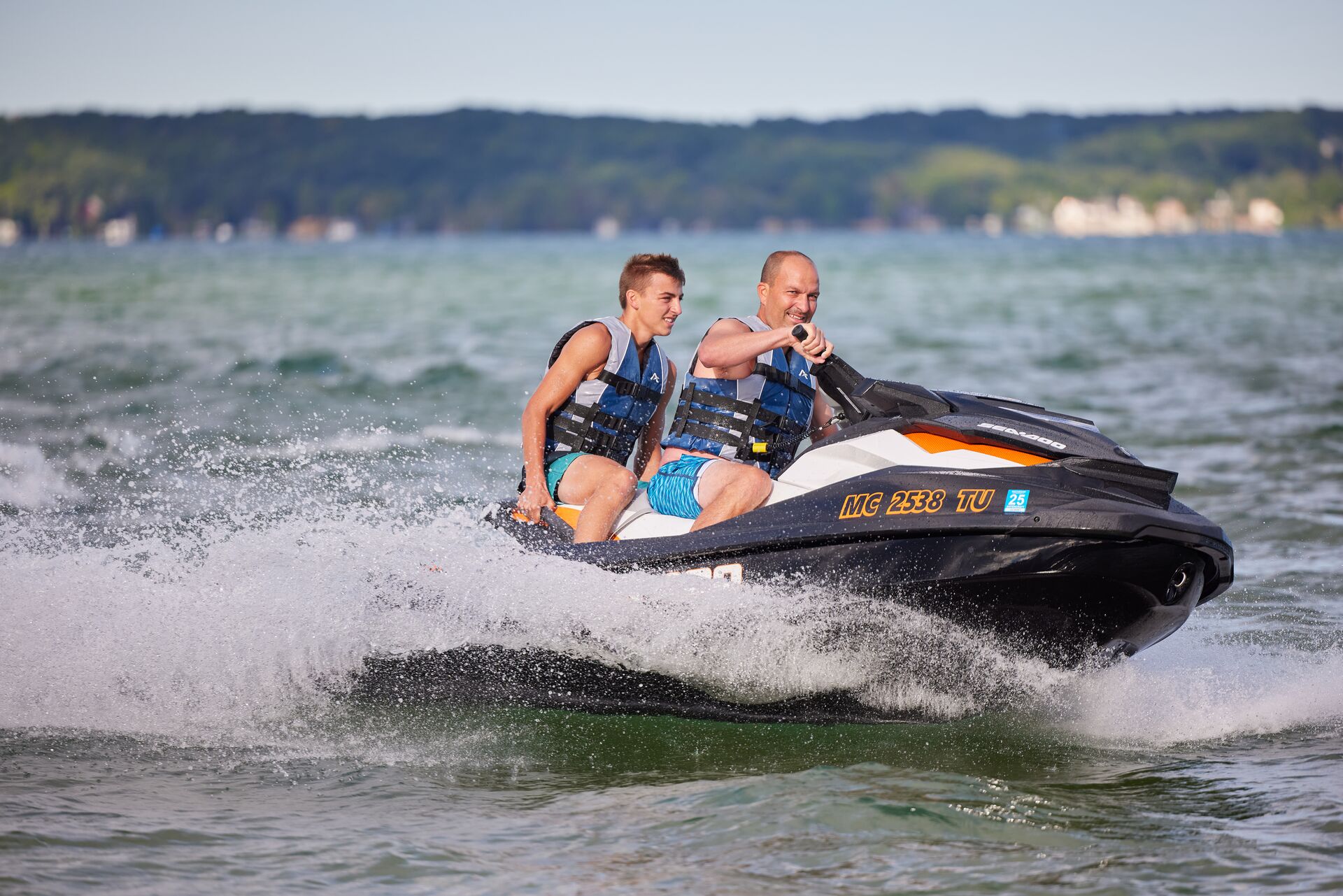
If you're interested in spending more time on the water but aren't looking to buy a boat, you may want to consider a personal watercraft (PWC). These lightweight, maneuverable vessels can be a lot of fun, letting you zip across the water with ease.
So, what is a personal watercraft, and why should you consider getting one (or riding on one)? Here's what you need to know to find the right type of vessel for your needs and ensure you have the necessary training and credentials to operate it.
What Is a Personal Watercraft (PWC)?
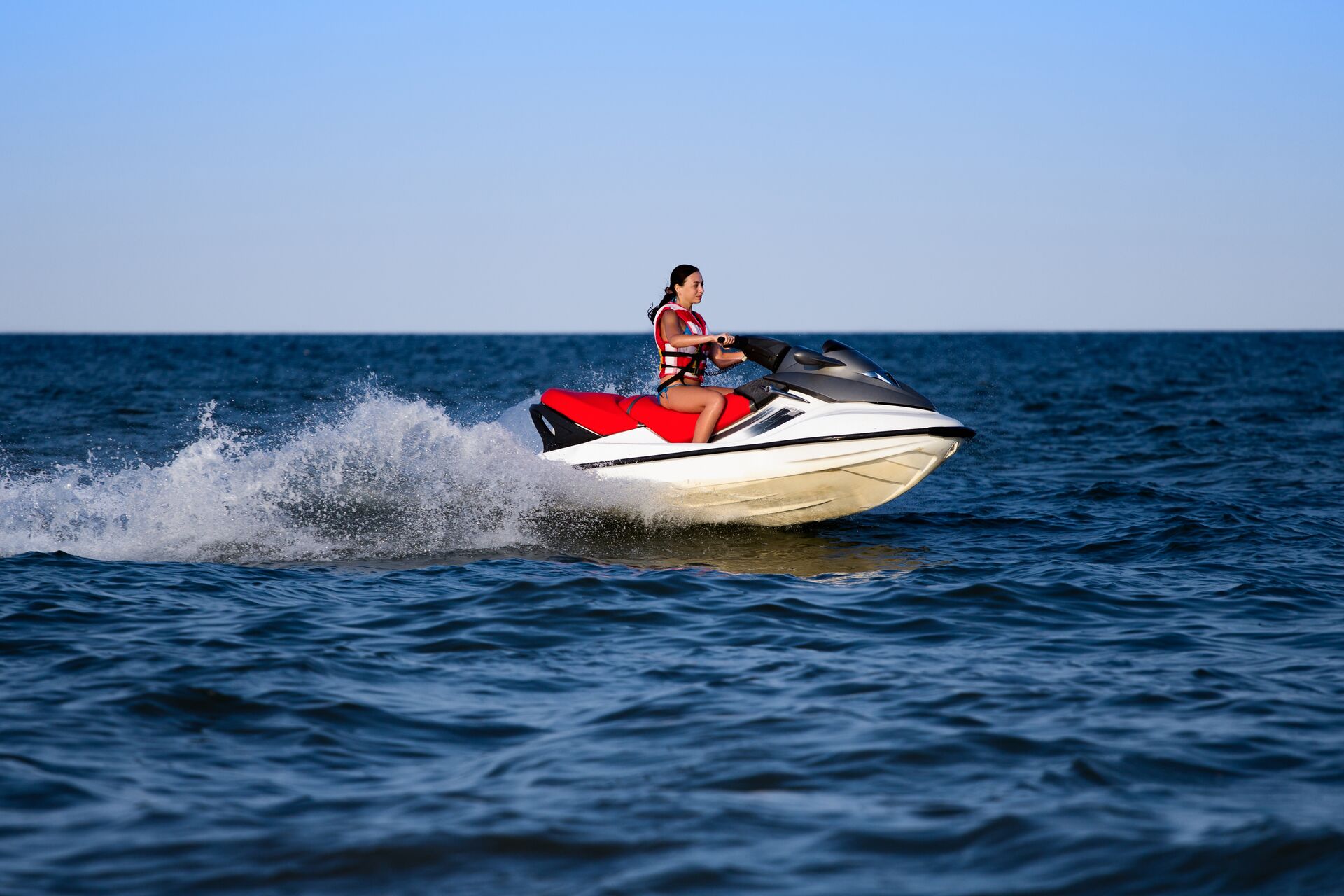
A PWC is a small, motorized water vessel that an operator can ride while sitting, standing, or kneeling on it (as opposed to operating it from inside).
PWCs are propelled by an inboard jet drive, also commonly called a jet pump. You might recognize common PWC brands such as Jet Ski, WaveRunner, or Sea-Doo.
What Is the Difference Between a Boat and a Personal Watercraft?
The most significant difference between boats and personal watercraft is that boat operators typically sit inside their vessels. In contrast, PWC operators ride on their vessels in a sitting, standing, or kneeling position.
Additionally, boats are generally larger and use propellers to move through the water. Personal watercraft are small, compact, and powered by jet propulsion.
Even though a PWC is considered a type of boat under U.S. Coast Guard regulations, it has unique handling and safety requirements. You must understand and follow these requirements to reduce legal issues and protect your safety, as well as the safety of your passengers and others.
Key Characteristics of a PWC
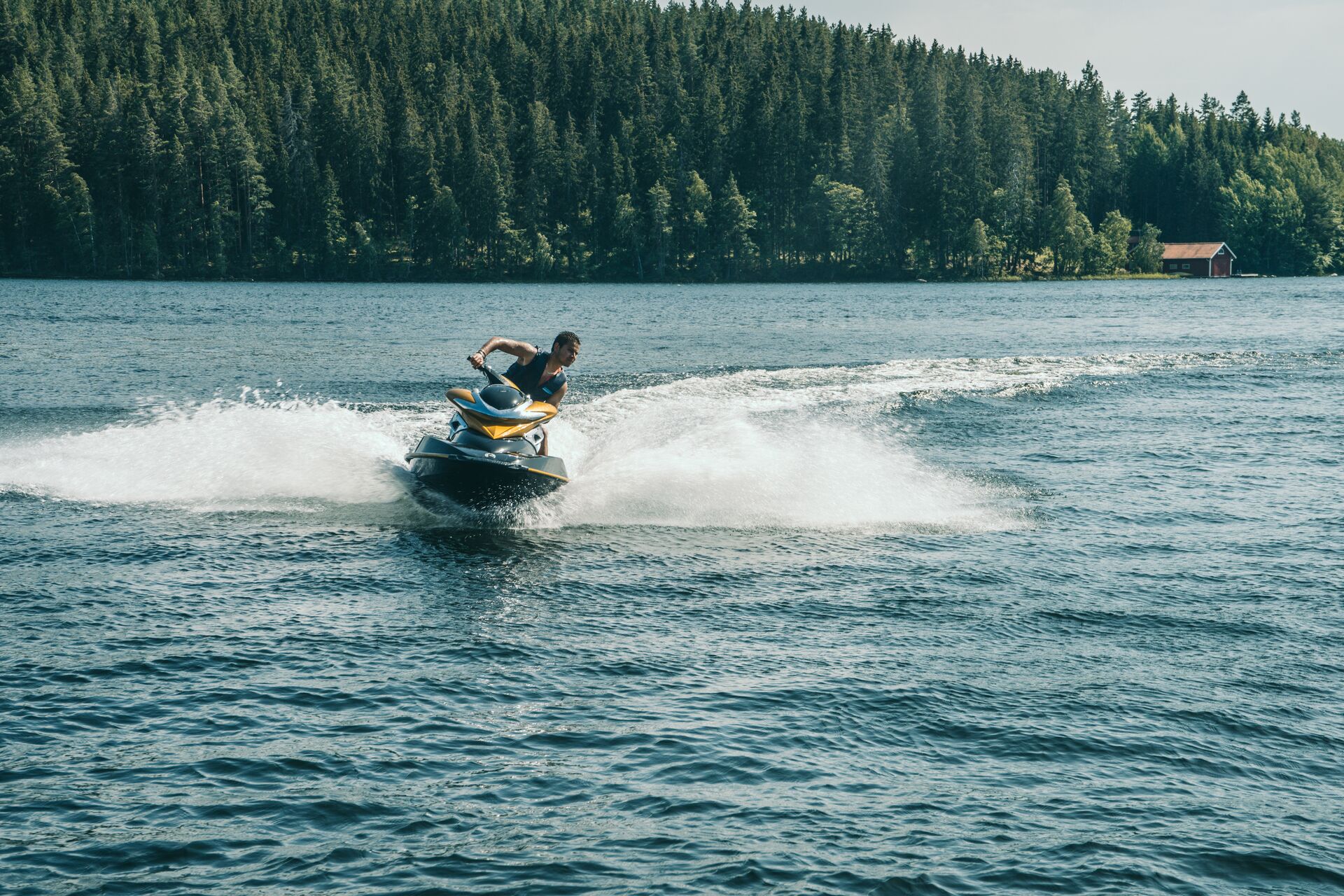
Personal watercraft are highly maneuverable and very agile, and a PWC can accelerate rapidly, turn sharply, and perform quick maneuvers with ease.
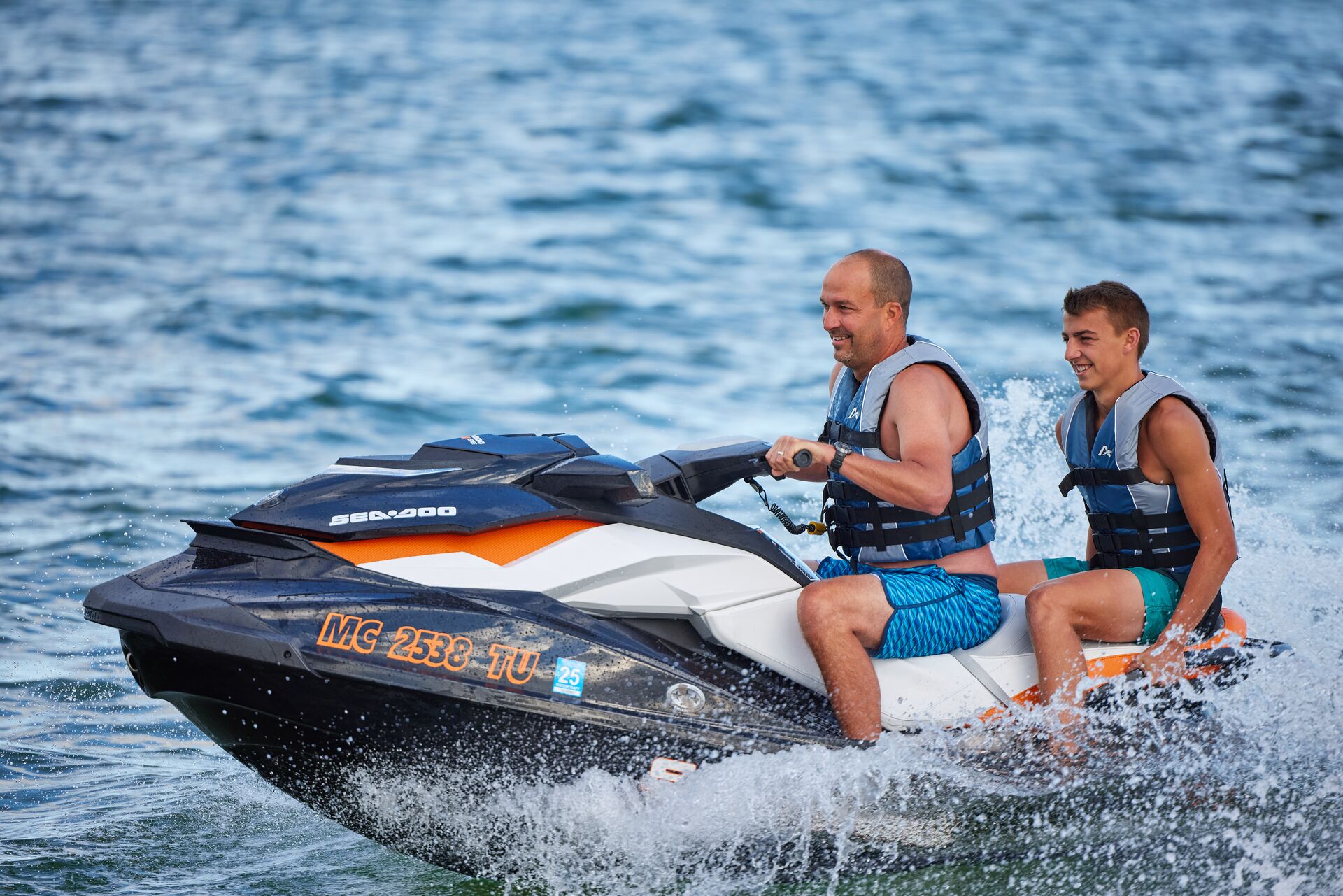
These vessels feature a PWC kill switch, also known as a lanyard switch, which clips to the operator's life jacket or another garment. If you're using this and fall off your PWC, the engine will stop, allowing you to safely retrieve your PWC and keep it from putting others at risk.
Types of PWCs
The answer to the question "What is a personal watercraft?" includes several types of PWC.
Sit-down PWCs are larger vessels designed for one or more riders. They're ideal for recreation, towing, and touring.
Stand-up models are smaller, single-rider craft that require standing or kneeling. They're a more athletic option, but they're also more challenging to operate.
PWC Model Classifications
There are numerous model classifications to consider when you're looking for the right PWC. Here are a few of the most common to help you get started on your journey.
- Rec-Lite: This is an entry-level PWC that's lightweight, affordable, and easy to operate.
- Recreation: These are mid-sized options that offer a balance of speed, comfort, and price, making them a good all-around choice.
- Luxury/Touring: These PWCs are large, stable, and built for long rides and comfort, with features such as storage and GPS.
- Tow Sports: This personal watercraft is perfect for pulling tubes, wakeboards, or skiers, and it features tow hooks and stable handling.
- Sport Fishing: If you love to fish, there are PWCs outfitted for anglers that often include rod holders, coolers, and an extended fuel range.
With so many different types of PWCs to choose from, you can have more than one and take them out based on your plans for the day.
How to Stay Safe When Operating a PWC
To stay safe while enjoying your personal watercraft, always wear a U.S. Coast Guard–approved life jacket. Additionally, attach the PWC kill switch to yourself in case you fall, and maintain a safe distance from swimmers, boats, and shorelines.
Remain aware of wakes from other boats, as well as waves, tides, and weather conditions that may affect visibility. Never operate your PWC under the influence of alcohol or drugs.
Take time to learn and understand your local laws, speed zones, and navigation rules, and complete an online boater safety course (like ilearntoboat) to ensure you know the best practices and required safety equipment for PWC.
Do I Need a Boater Education Card to Drive a PWC?
Though requirements vary, most states require you to have a boater education card if you're operating a PWC—especially if you're age 25–30 or younger.
Even if you aren't required to have a boater education card in your state, it's a good idea to complete a boater education course. Course completion can mean a safer time on the water and a discount on your boat insurance.
Increase Your Safety on a PWC With a Boater Education Course
Safety knowledge is crucial, no matter what type of motorized vessel you take out onto the water. So, before you head out on your new PWC, take a boater education course to learn about safety, navigation, the PWC kill switch, and more.
You'll be more confident and reduce your risk of injury or other harm, allowing you to have better experiences on your local waterways. Plus, you'll comply with any laws your state may have regarding boater safety education.
It's easy (and fun) to learn about boat safety with an online course through ilearntoboat.
Take the boating education course for your state to enjoy many
safe adventures on your PWC!
Frequently Asked Questions (FAQs)
We have answers to some of the common questions about personal watercraft!
Q: What is classified as a personal watercraft?
A: A personal watercraft (PWC) is a small, motorized vessel designed to be operated by a person sitting, standing, or kneeling on it (rather than inside it), such as a Jet Ski, WaveRunner, or Sea-Doo.
Q: What is the difference between a boat and a personal watercraft?
A: A boat typically has space for passengers to sit or move inside the hull, while a personal watercraft is ridden on top and controlled like a motorcycle on water.
Q: What counts as a watercraft?
A: A watercraft is any vehicle designed for travel on or through water, including boats, ships, personal watercraft, sailboards, and submarines.
Q: What are examples of watercraft?
A: Examples include sailboats, motorboats, yachts, canoes, kayaks, jet skis, ferries, and submarines.
Take the boating education course for your state to enjoy many
safe adventures on your PWC!