Maritime Signal Flags vs. Marine Warnings: What's the Difference?
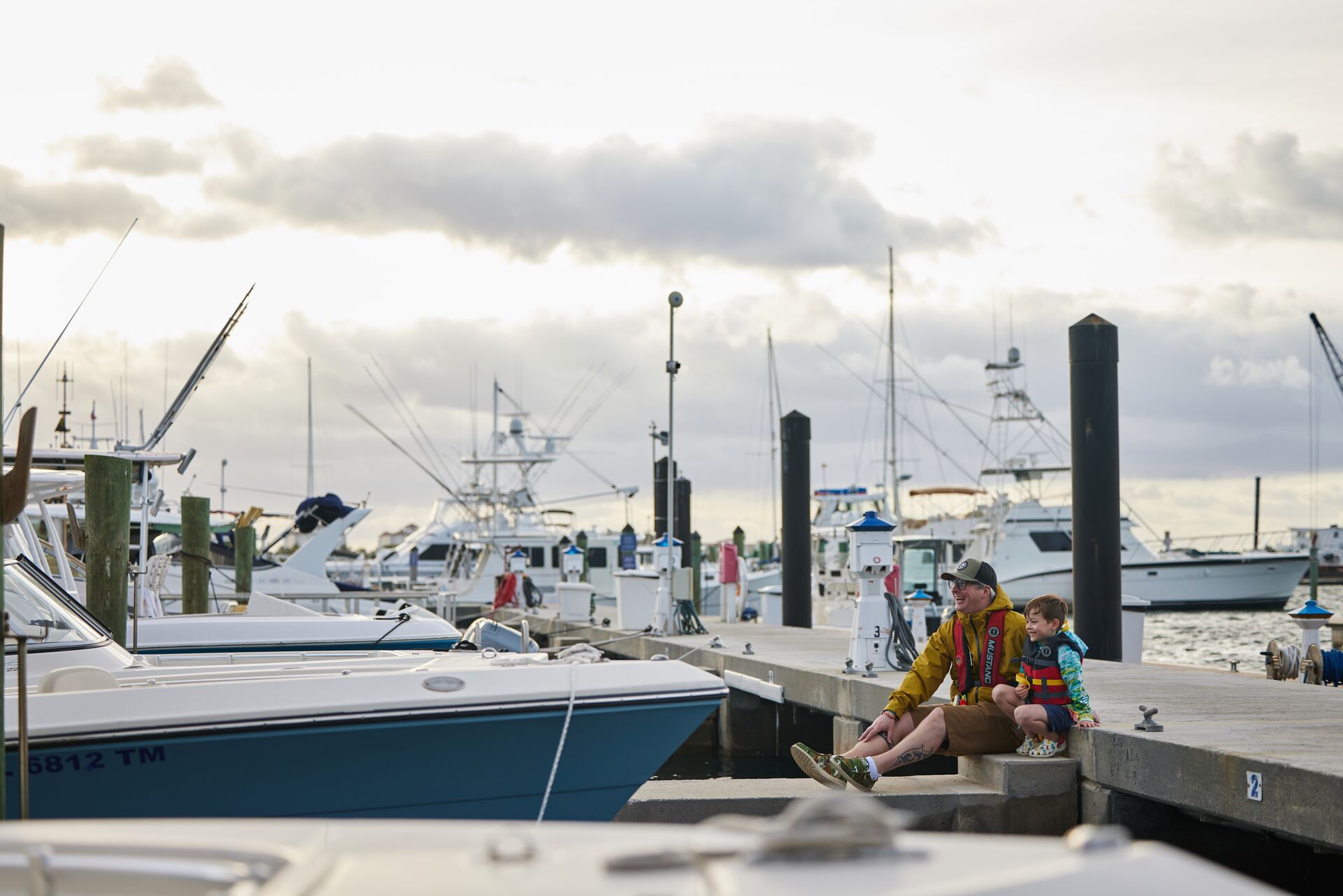
Staying safe on the water is a crucial part of every boating experience, but there's more to safety than just avoiding a collision or knowing how to rescue someone who falls overboard.
Weather plays a significant factor in a safe day on the water vs. a dangerous outing. It's easier to protect yourself and others when you understand maritime signal flags, marine warnings, and other vital information.
It's essential to be aware of what's around you and how it might affect your trip, from a small craft advisory to a ship carrying dangerous cargo. Here's what you need to know about signal flags to make safe, responsible choices on all your nautical adventures.
What are Maritime Signal Flags?
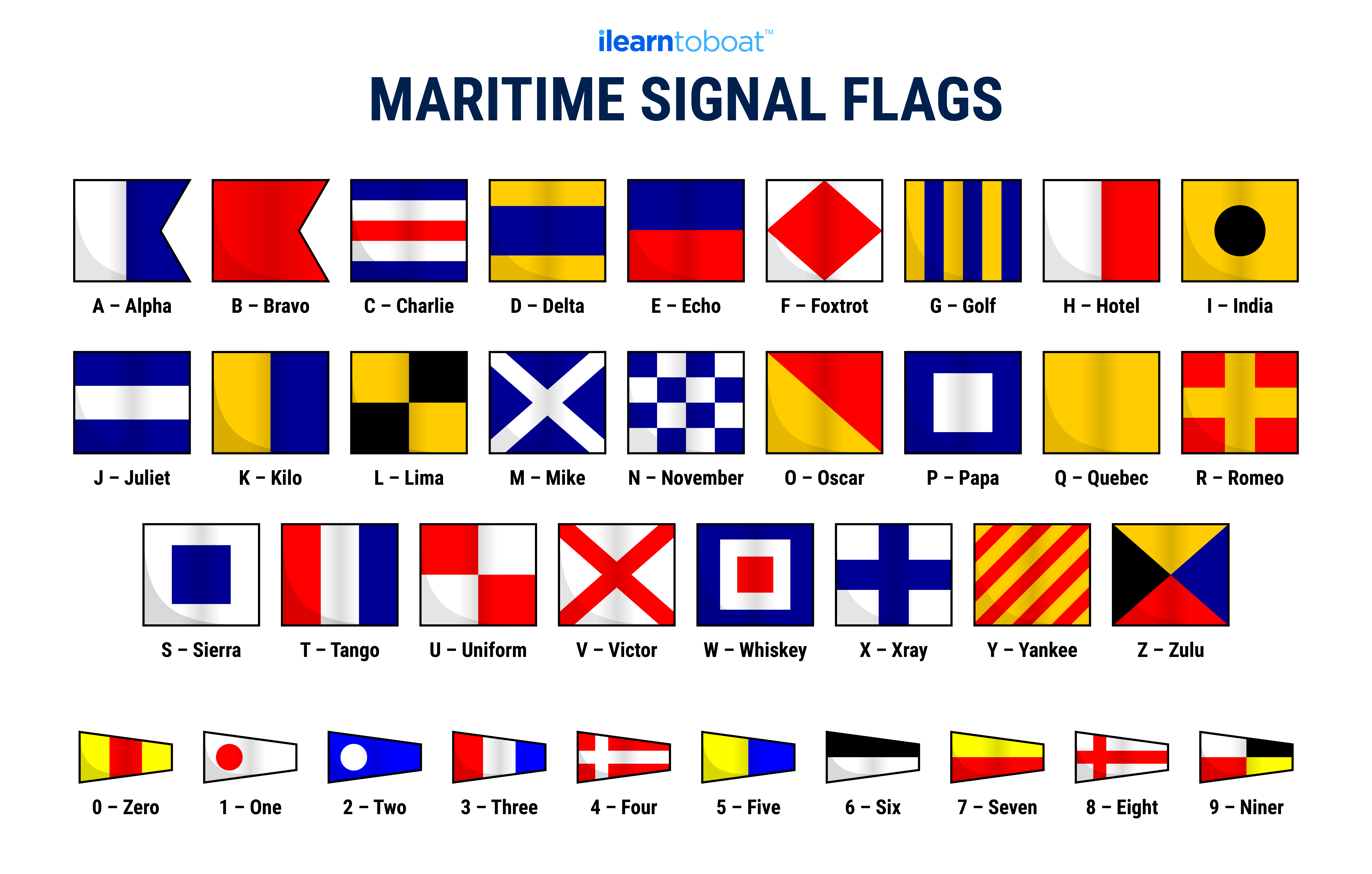
The maritime signal flag is used primarily for communication between vessels. Each flag represents a letter, number, or specific message, and flags can be combined or used individually to communicate coded signals or spell words.
Recognized worldwide, the International Code of Signals standardizes maritime signal flags. For example, a ship might hoist a flag with the letter "Q" (for Quebec) to request clearance to enter port.
What Do the Marine Warning Flags Mean?
Marine warning flags alert others to hazards or inform them about water conditions. They can notify swimmers, boaters, and mariners of potential dangers such as storms, restricted areas, and nearby divers.
Every flag has a standardized meaning that's recognized either internationally or nationally (such as U.S. Coast Guard signals). Marinas, harbors, and weather authorities use the flags to represent adverse weather conditions or hazards at sea.
These flags are primarily for advisories rather than ship-to-ship communication. In the U.S., the National Weather Service and the U.S. Coast Guard use marine warning flags.
Key Difference (Maritime vs Marine Warning Flags)
The primary difference between maritime flags and marine warning flags is that the former (maritime flags) are for communication, while the latter (marine warning flags) convey alerts about weather or hazardous conditions.
Boat operators must understand these differences and what flags mean when you see them on boats or near water.

Common Single-Flag Meanings
Several commonly used single flags can help you understand what vessels around you are doing, the cargo they are carrying, and whether they require assistance.
- Alpha (International Code Flag A): This is a white and blue flag that means "Diver down; keep clear at slow speed."
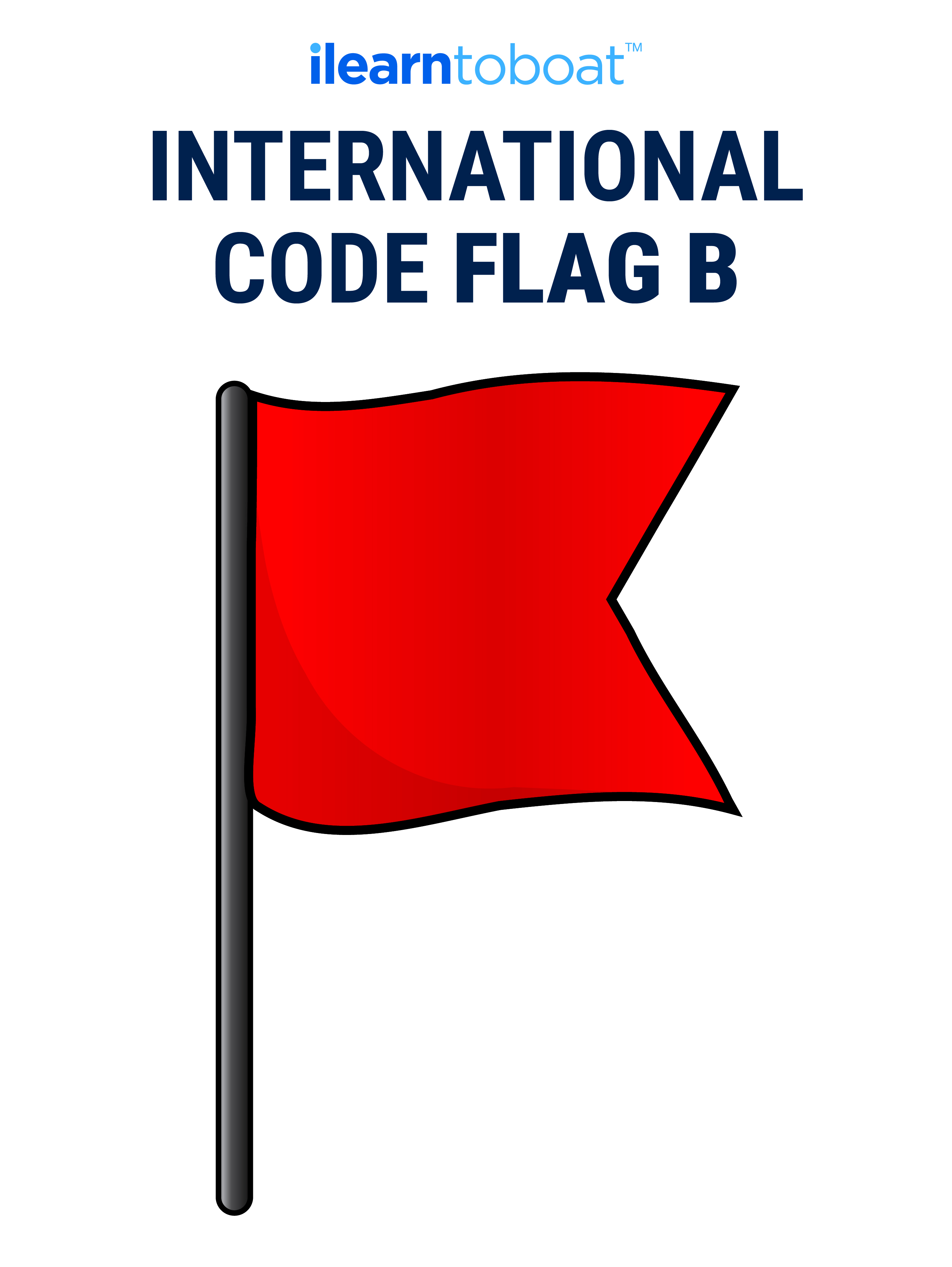
- Bravo (International Code Flag B): This flag is red and means the ship displaying it is "Carrying dangerous cargo or fuel."
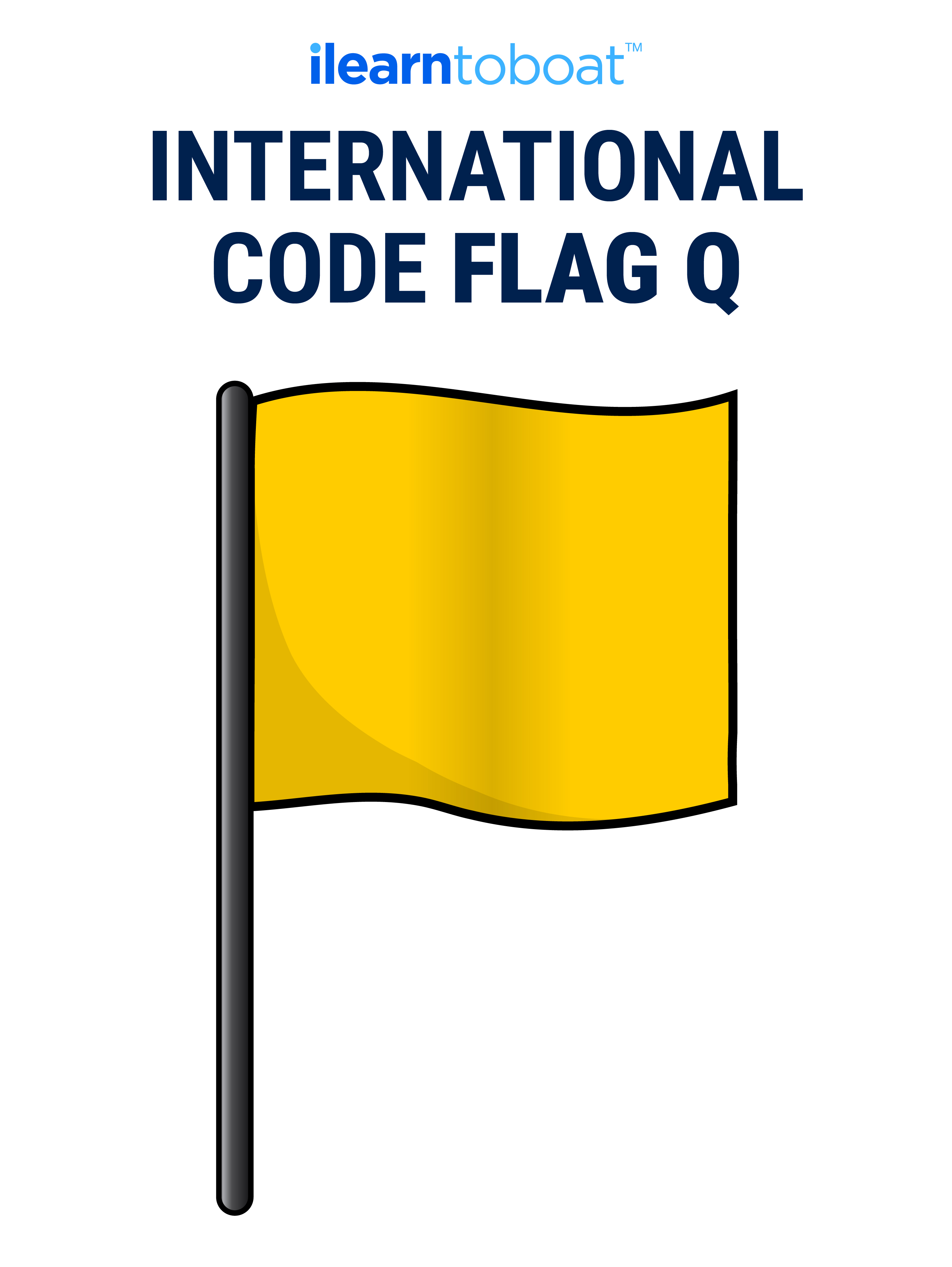
- Quebec (International Code Flag Q): This yellow flag means "My vessel is healthy and I request free pratique (clearance to enter port)." You might use this flag if you're seeking a suitable mooring or anchorage location.
- Red over White (U.S. small craft advisory flags): This is a red triangular pennant (sometimes doubled), meaning "Small craft advisory, dangerous wind or sea conditions."
- Two Square Red Flags With Black Centers: This is a hurricane warning flag, indicating "Hurricane conditions expected."
Whether you're just starting to learn about maritime signal flags or you want to brush up on your knowledge, learning the basic single flag meanings is a valuable way to protect yourself and others.
What Does a Red Marine Flag Mean?
A solid red flag can have different meanings, depending on the context.
These include:
- A bravo flag means the vessel is carrying dangerous cargo
- A red storm warning flag means boaters should expect a gale or other strong winds.
If the red flag is on the beach, it typically means that conditions are dangerous and swimmers should stay out of the water.

Importance of Understanding the Flags and Warnings
Understanding maritime signal flags is essential for ensuring the safety of your crew, passengers, and nearby vessels. It can help prevent accidents and collisions, make it easier to operate small craft such as fishing boats in bad weather, and provide increased peace of mind.
Knowing the meaning of these flags also simplifies compliance with maritime laws and Coast Guard regulations, thereby protecting divers, swimmers, and recreational boaters.
What's the Trick to Remembering the Various Maritime Flags?
We gathered several tips to answer the question "What do maritime flags mean?"
Here are a few tricks you can try.
Group by Use or Category
One of the most common ways to remember the flags is to group them by category or by their use.
For example:
Crucial Maritime Flags (Group by Use) | ||
| Diver Safety–> | Alpha (A): Blue/white | = "Divers down" |
| Cargo/Operations–> | Bravo (B): Red | = "Carrying dangerous goods" |
| Health/Port Entry–> | Quebec (Q): Yellow | = "Request clearance" |
| Distress Flag/Need Help–> | November (N) over Charlie (C) | = "Distress signal" |
By remembering groups and use cases, you don't need to memorize the flags all at once—just learn the most crucial ones for safety.
Use Visual Associations
If you're a visual learner, this format can be helpful. Use visual associations to remember what various flags mean.
For example:
- Alpha (A) is blue and white, resembling a scuba diver's flag, and it's used for divers.
- Bravo (B) is bright red, which is a warning color, so it's for dangerous cargo.
- Quebec (Q) is yellow, like quarantine warnings, making it ideal for health clearance.
Mnemonics

Another way to remember these flags is through mnemonics like "All Big Queens Never Cry," which translates to:
- A = Alpha (divers)
- B = Bravo (dangerous cargo)
- Q = Quebec (health/clearance)
- N over C = Distress signal
If there's another mnemonic device that works for you, feel free to use whatever phrase helps you remember the flags and their meanings.
Use Flashcards and Apps
Flashcards and apps, whether physical or digital options like Anki, can also aid in learning. Use flashcards with the flag on one side and its meaning on the other, and practice in short bursts to reinforce your memory.
Many boating safety apps also include flag quizzes.
Focus on Priority Flags First
Focus on priority flags, as you don't need to memorize every single one right away.
Spend your practice time on the most common and safety-related flags used in recreational boating. Then, you can learn more flags at a later date.
How Can I Learn More About Boating Flag Meanings?
To learn more about maritime signal flags, review the U.S. Coast Guard's "Navigation Rules" or equivalent international guidelines.
You can also take a boating safety course (like the one we offer here at ilearntoboat) and visit reputable websites like the Coast Guard or the National Weather Service.
Carrying a flag reference guide on your vessel can also help in a pinch.

Build Your Safety Knowledge With a Boater Education Course
Recognizing maritime signal flags and knowing their meanings is just one part of being a safe, responsible boater.
Before you head out on the water, take a boater education course to round out your boating safety knowledge (and for more peace of mind when navigating the waters). Not only can you learn about maritime flags, but you'll get valuable information on etiquette, maintenance, and what to do in emergencies so that you can boat with peace of mind.
Plus, your state may require motorized boat operators to pass a boater safety course (like ilearntoboat) before getting behind the helm of a boat.
Boat safely and legally by taking the online boater education course for your state!
Frequently Asked Questions (FAQs)
We have answers to your questions about maritime signal flags!
Q: How are maritime signal flags used?
A: Maritime signal flags communicate messages between ships or between a ship and shore, often representing letters, numbers, or specific signals (like distress or maneuvering intentions).
Q: How to remember maritime flags.
A: Many boat operators use mnemonic phrases, flashcards, or apps to memorize each flag’s design and meaning. Practice and repetition help the most.
Q: What do the marine warning flags mean?
A: Marine warning flags alert vessels to weather conditions or hazards, such as gales, storms, or hurricanes. For example, a red square with a black center means a storm warning.
Q: What do the different marine flags mean?
A: Each flag has a unique meaning. For example, “A” (Alfa) means “diver down, keep clear,” and “N” (November) over “C” (Charlie) together mean “I am in distress.”
Q: What do the colors of the sea flags mean?
A: Colors help distinguish flags and convey visibility and meaning. Red often signals danger, yellow warns of caution, blue and white relate to navigation, and black can indicate storms.
Boat safely and legally by taking the online boater education course for your state!