How to Respond to Boat Horn Signals

From the gentle lapping of waves against your boat to the songs of birds as you cruise along the shoreline, staying aware of the nearby noises on the water can enhance your adventure.
One of those sounds could be boat horn signals, as these can give you crucial information for navigation and safety. Recognizing these signals helps you avoid boating accidents.
Here's what to know about these sounds, which ones are most important, and what they mean.
What Are Boat Sound Signals?
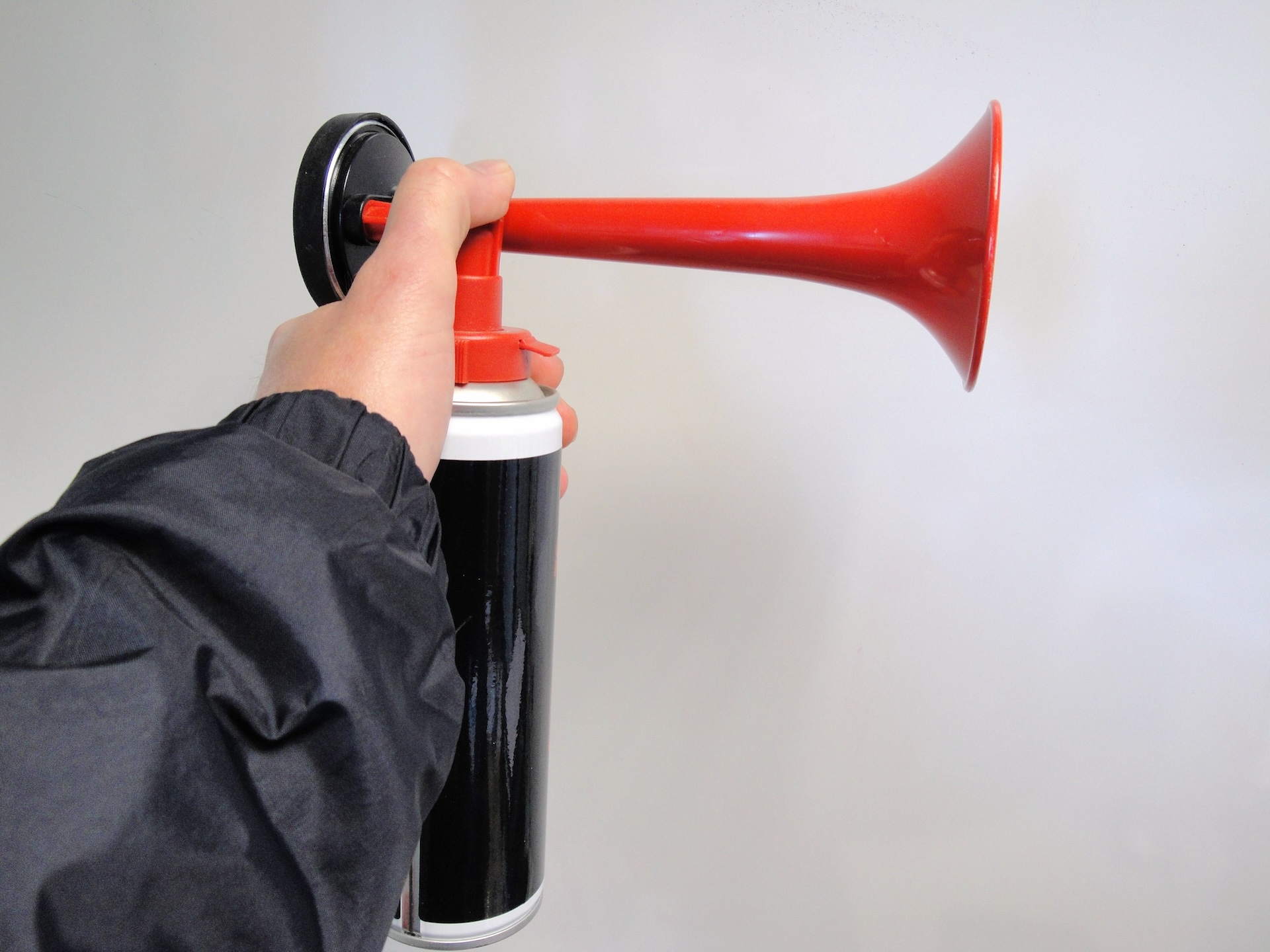
Boat sound signals are short blasts on a whistle or horn that vessels use to communicate with one another. They help boaters indicate their maneuvers and intentions, and can also provide warnings.
These sounds are required under the International Regulations for Preventing Collisions at Sea (COLREGs). They're especially crucial in times of restricted visibility, such as during rainy or foggy weather, or at night.
Common Boat Horn Signals
There are several specific sound signals boating operators use to convey information. Since these are standardized, they reduce confusion and help keep you aware of other boaters' intentions.
For example:
| Signal | Meaning |
| One short blast | "I am altering my course to starboard." |
| Two short blasts | "I am altering my course to port." |
| Three short blasts | "I am operating astern propulsion (going in reverse)." |
| Five (or more) short blasts | A danger signal used to show uncertainty or concern about another vessel's actions. |
It's critical to know these sound signals for boats before heading out on the water.
Not only does being familiar with these sounds help protect you and your passengers, but it can also protect other boaters. These signals and their meanings are part of the boating terminology you'll want to learn to boat with confidence.
Signals for Restricted Visibility
If you can't see well due to conditions like rain or fog, or because you're boating at night, you must make sure that other boaters know your location.
To do that:
- A power-driven vessel underway (making way) should produce one prolonged blast every two minutes.
- A power-driven vessel underway but stopped (not making way) should create two prolonged blasts every two minutes.
- A sailing vessel underway is required to produce one prolonged blast plus two short blasts every two minutes.
Not only that, but there are special cases for other situations, such as when vessels are anchored, aground, or being towed. Each one of these scenarios (as well as several others) has specific signals under COLREGs.
Are Boat Horn Signals the Same Worldwide?
Yes. Because boat horn signals are governed by COLREGs, which apply internationally, they're the same worldwide. No matter where you travel, you'll always use the same boat horn signals.
However, some inland waters, such as U.S. rivers and lakes, may have slightly modified or additional rules. If you plan to boat on these types of waters, check for any local variations or modifications before taking your vessel out for an adventure.
How Do Boats Signal When Overtaking?
When boats are overtaking one another, there are two specific signals they can use.
These are:
- One short blast means "I intend to overtake you on your starboard side."
- Two short blasts mean "I intend to overtake you on your port side."
The vessel that's being overtaken should respond with the same signal if they agree, so the overtaking boat knows that they've been heard and understood.

What Is the Danger Signal in Boating?
If you're confused about the intentions of another boater or the actions they're taking, you should use five or more short, rapid blasts. This is a danger signal, meaning "I do not understand your intentions" or "I doubt whether you are taking sufficient action to avoid collision."
It's the universal signal of warning and danger, understood worldwide by vessels of all types and sizes. It's essential to let another boat know if they're on a collision course or traveling erratically.
You can also use this signal to warn another boat of a problem you see from your location, such as issues with their navigation lights or damage to their vessel.
What To Do if You Hear Boating Horn Signals
When you hear boating horn signals, listen to them carefully so you can identify the type of blast or blasts. Then, respond appropriately.
If you need to acknowledge the signal, you'll want to repeat it or answer with a different signal that conveys essential information to the other vessel.
Also, adjust your course and speed to avoid a collision, and consider whether you need to use other communication tools to interact with the boat. That could include VHF radio, lights, or hand signals to confirm or clear up their intentions.
Learn More About Signals and Safety With a Boater Education Course
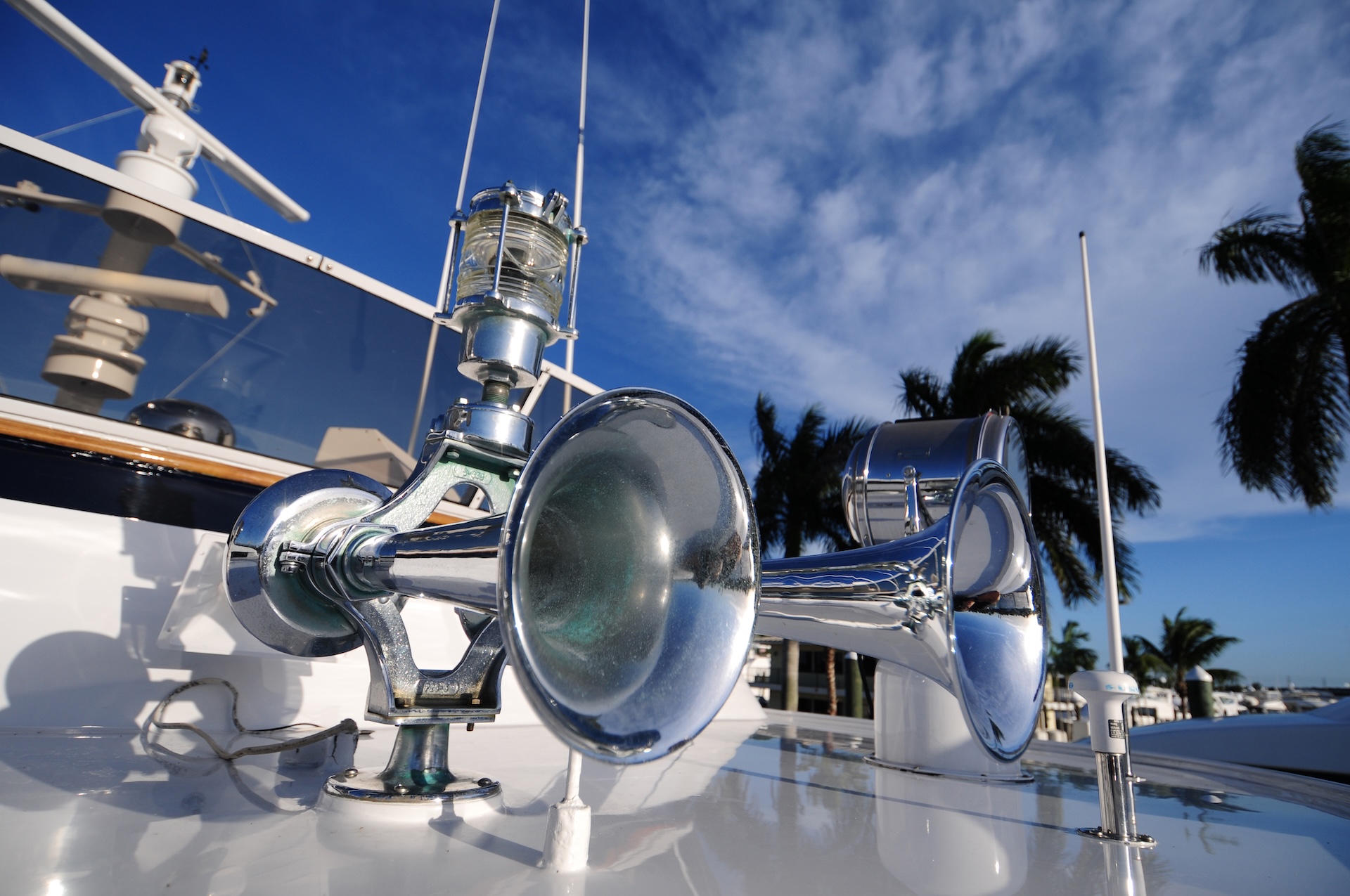
Remember: Your boat's horn is not to be used to greet other boats in passing or just to make noise. It's a safety tool used only in the scenarios we mentioned today to keep yourself and others safe on the water.
Use your boat's horn wisely when necessary, and respond appropriately to signals from other boats any time you're on the waterways.
One of the best ways to learn more about horn signals and other boating communication and safety best practices is to take a boater education course. When taking the ilearntoboat course for your state, you'll learn about proper boating etiquette, navigation, and what to do in an emergency, for a higher level of water safety.
Plus, most states require boaters to take a course and pass the exam to operate a motorized vessel legally.
Make sure you know how to stay safe and legal on the water!
Take the ilearntoboat course for your state.
You'll have fun learning through our interactive course, and you'll be prepared for many safe adventures on the water.
Frequently Asked Questions (FAQs)
We have answers to your questions about boat horn signals!
Q: What are the horn signals on a boat?
A: Boat horn signals are standardized sound blasts used to communicate a vessel’s intentions or warnings to nearby boats.
Q: What does one short blast on a boat horn mean?
A: One short blast means “I intend to pass you on my port (left) side.”
Q: How do boats signal when overtaking?
A: A boat gives one short blast to pass on the port side or two short blasts to pass on the starboard (right) side. The other vessel should repeat the signal to agree.
Q: Why does a ship honk 5 times?
A: Five short blasts mean danger or doubt. For example, if another vessel’s actions are unclear or unsafe.
Q: Are boat horn signals the same worldwide?
A: Generally, yes. Boat sound signals are standardized under the International Regulations for Preventing Collisions at Sea (COLREGs), though minor local variations may exist.
Make sure you know how to stay safe and legal on the water!
Take the ilearntoboat course for your state.