Boating Terminology: Do You Know the Basics?
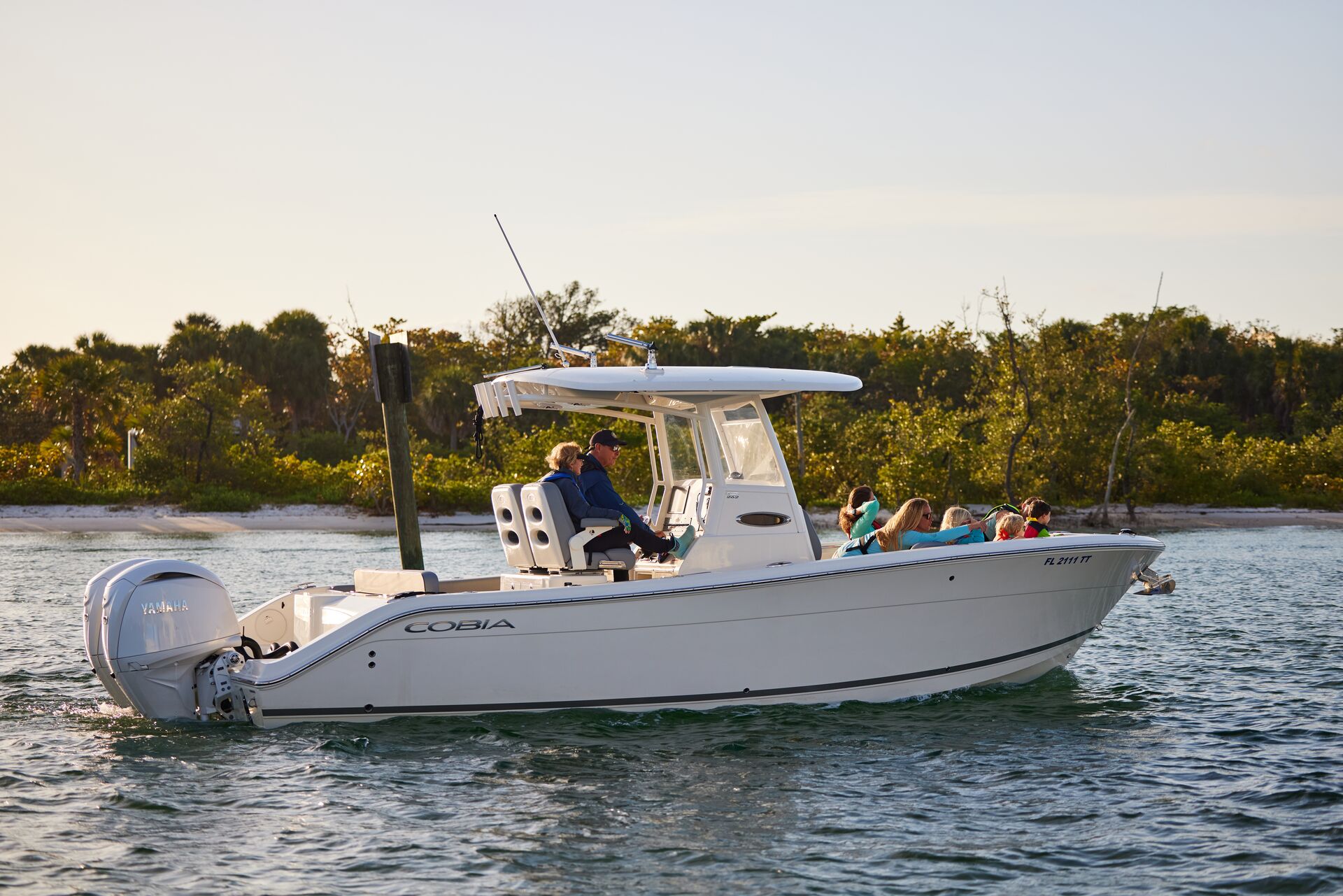
Getting out on the water is technically "boating," but if you don't know some specific terms and how they relate to your boat, you could find yourself in a dangerous situation.
Whether you're new to operating a boat or you're a seasoned captain of your local waters, make sure you know some basic terms and how to use them. Safe boating includes talking about different parts of your boat — like the waterline — in a way that shows you and others understand the conversation.
What is Boating Terminology?
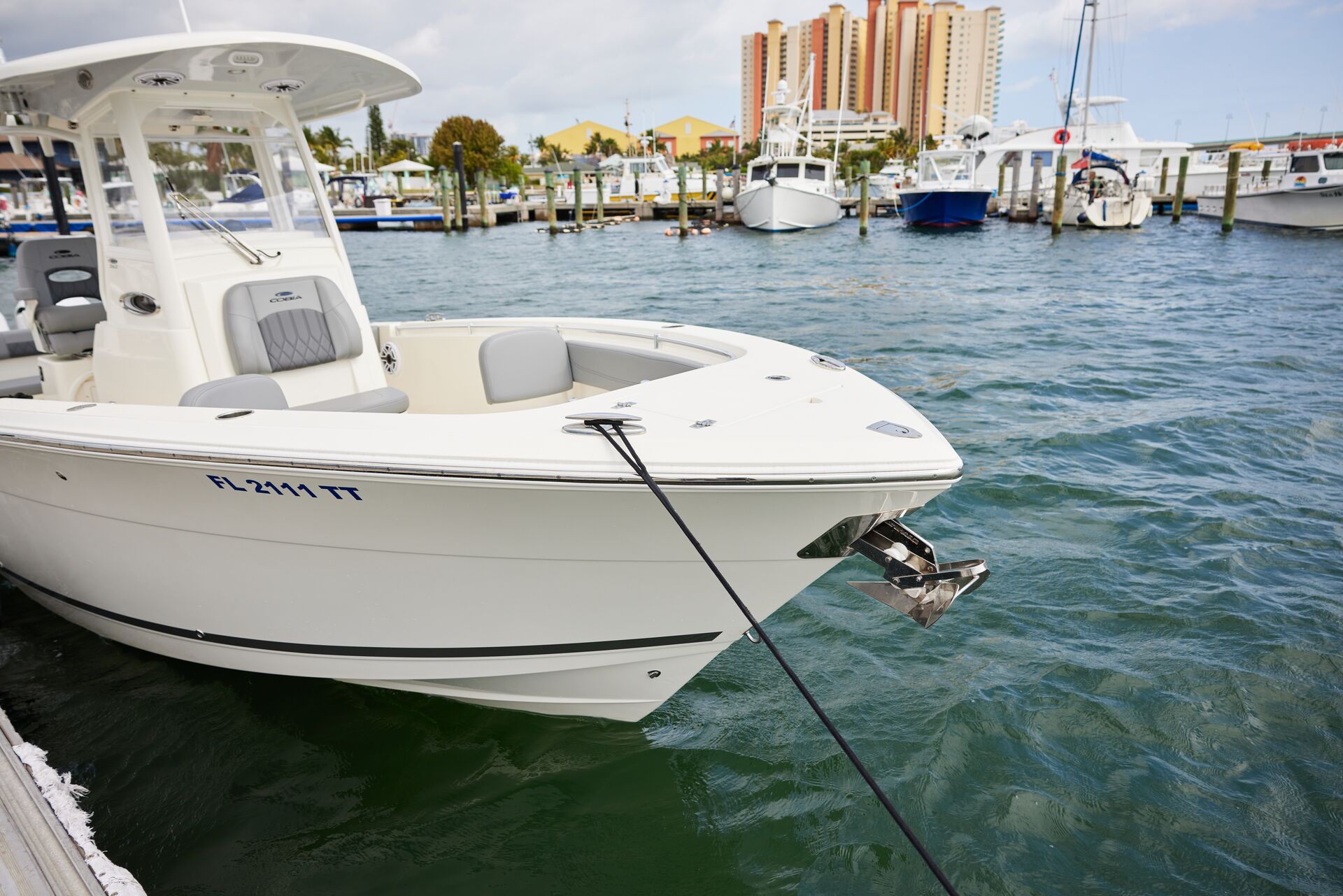
Boating terminology is a universal way to reference specific aspects of a boat or boating practices. For example, if you reference your boat's stern, anyone you're talking to should know where that is on the boat — and you should understand it, too.
A good grasp of the terminology used by boaters also helps you describe things accurately in an emergency. As another example, if you need to file a boating accident report, using the right nomenclature to describe how the boats collided or where another boat hit your boat can be valuable.
What Are Some of the Basic Terms You Should Know?
Boats have lots of parts. Eventually, as you become a more experienced boater, you will probably learn the terms for most (if not all) of the parts that make up your vessel.
However, to get started, boaters should know the following terms.
Early in the Alphabet
While the alphabet has no bearing on the terms themselves, let's start with words that start with letters coming early in the alphabet.
- Aft: Anything at, near, or toward the stern of the boat is considered to be aft.
- Ahead: Anything in front of the boat, including objects or a destination, would be considered ahead.
- Astern: Anything behind the boat, including objects or locations, would be considered astern.
- Draft: The distance between the waterline and the deepest part of the boat is called the draft.
- Forward: Anything at, near, or toward the bow of the boat is considered to be forward.
- Freeboard: The distance measured from the waterline to the upper deck edge where water could enter the boat is called the "freeboard."
To help you become more familiar with how these terms actually relate to your boat, find these locations on your boat and practice using the correct terms in conversations about your vessel.
Other Essential Boating Terms to Know
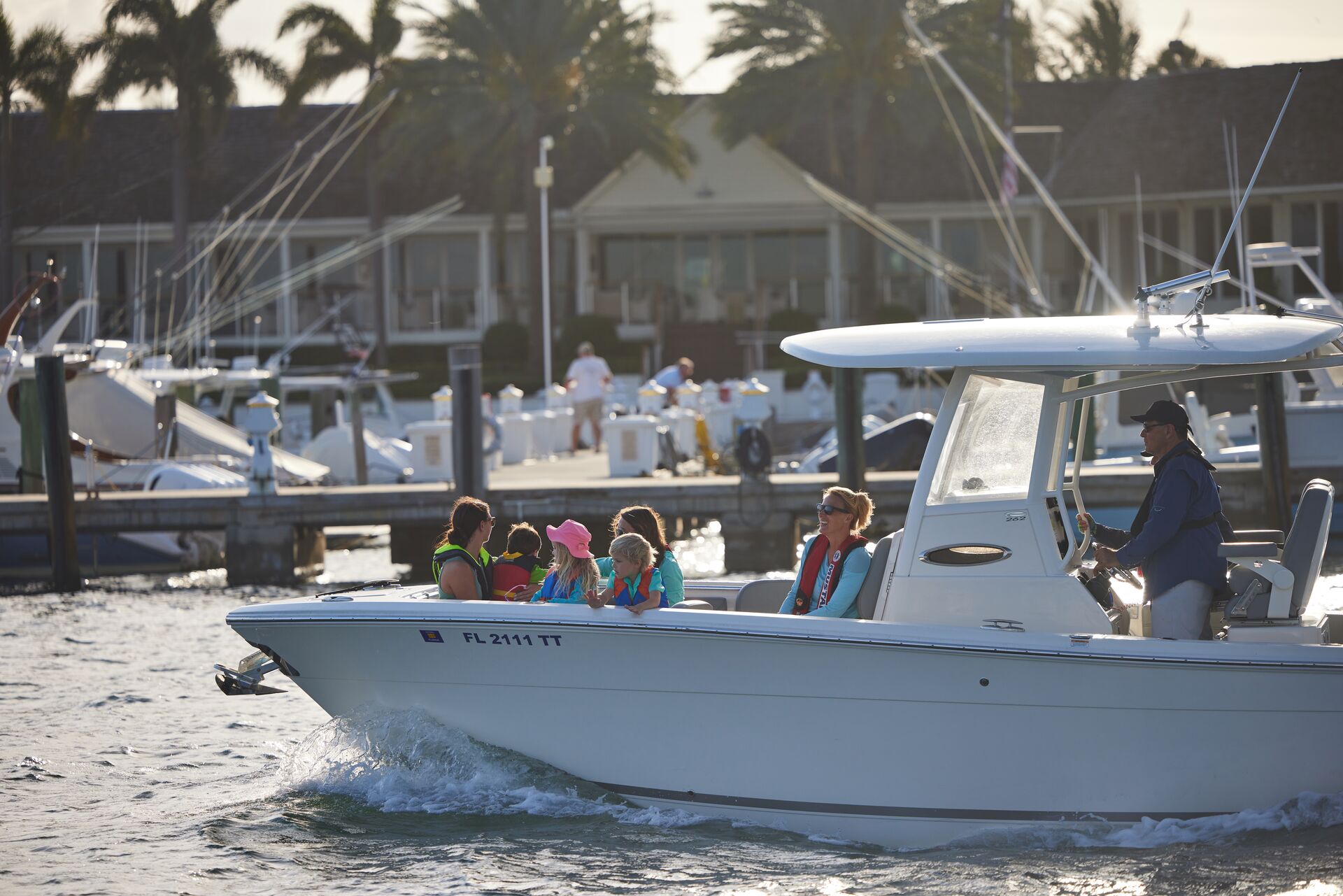
As you get further into the alphabet, take these terms to heart and make them part of your everyday boating vocabulary.
- Port Beam: The widest part of the boat on the port side is called the port beam.
- Port Bow: The port surface of the vessel's hull that curves inward to the stern is called the port bow.
- Port Quarter: The port surface of the vessel's hull, which is located behind the beam, is called the port quarter.
- Starboard Beam: The widest part of the boat on the starboard side is called the starboard beam.
- Starboard Bow: The starboard surface of the vessel's hull that curves inward to the stern is called the starboard bow.
- Starboard Quarter: This is the starboard surface of the vessel's hull, located behind the beam.
- Waterline: Where the boat's hull meets the water's surface is called the waterline.
With these terms in mind, you're well on your water to understanding the parts of a boat, how they work, and how to boat safely!
Learn More About Boating Through a Boater Education Course
Understanding boating terminology is important for responsible boating, yet it's only part of what you'll need to know to enjoy safe outings on the water.
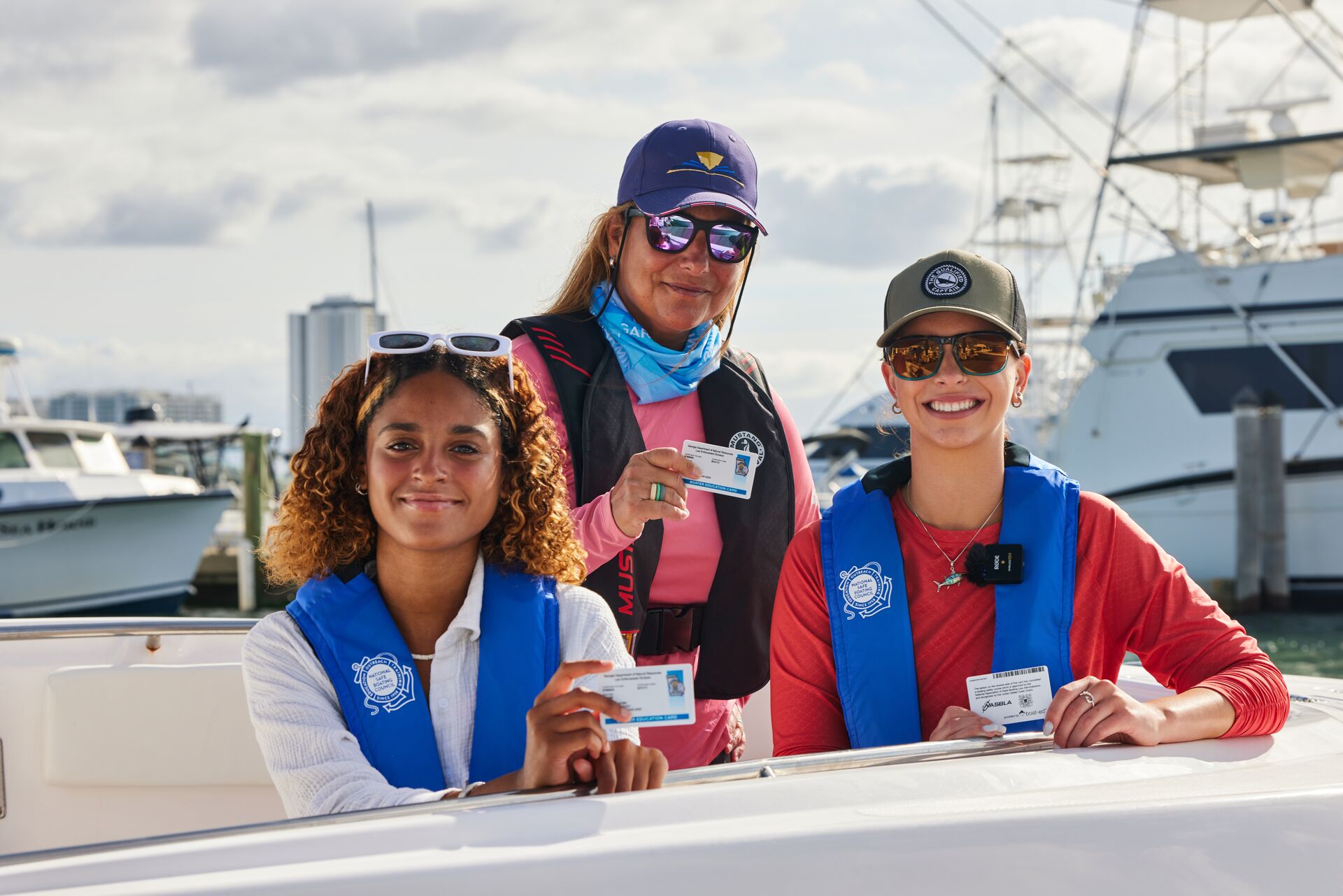
Most states require boat operators to take and pass a boater education course. Doing this rounds out your knowledge of safe boating practices, including the safety equipment you need on board, how to navigate the waters, what buoys and warnings mean, and much more!
ilearntoboat makes it fun to learn, and it's one of the fastest ways to gain the knowledge you need while meeting state requirements for boater education. So, as you learn the boat terms we shared with you today, choose the online course for your state and complete your boating knowledge!
First published in 2021. Content most recently reviewed and updated for accuracy and relevancy November 12, 2024.