Watersports: How to Stay Safe When Boat Towing on Water
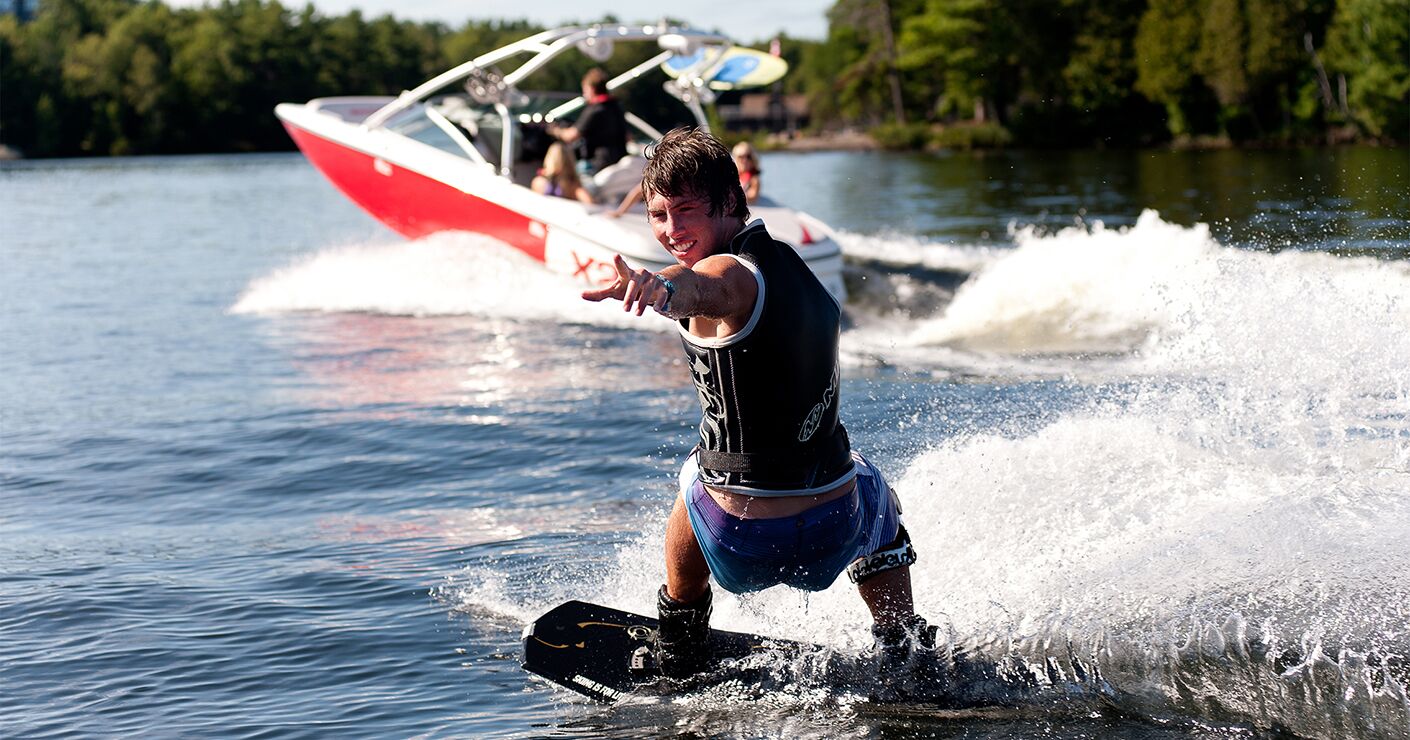
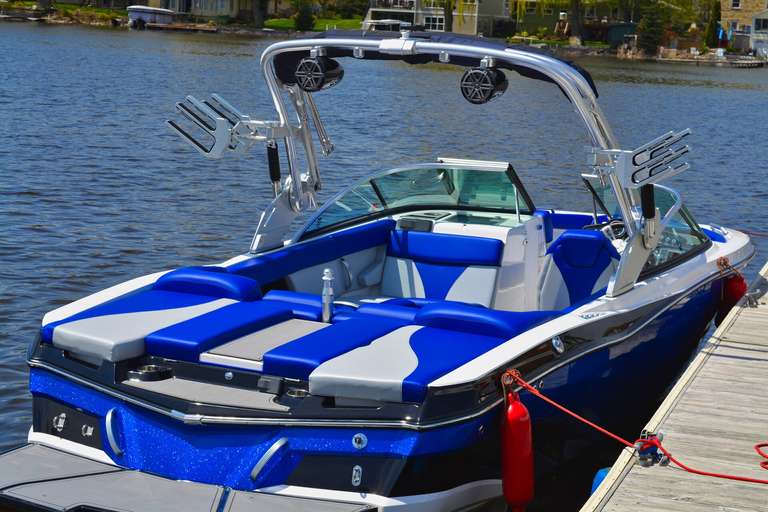
If you're boat towing on water (i.e., pulling a waterskier behind the boat), one of the most important aspects to consider is staying safe. You'll need the right rope, proper safety equipment, good communication, and the appropriate knowledge to protect yourself and others around you.
Whether pulling a tuber, a waterskier, or someone else enjoying a water sport, doing it right can mean the difference between a fun adventure and a serious risk. Here's what to consider to increase safety and have more fun!
Understanding Tow Rope Safety
The rope's strength is among the most significant issues with tow rope safety. You'll want a tow rope rated for the weight of the person and object being towed, along with the kind of towing activity you're engaging in.
A rope that's too weak can snap and cause serious injuries.
The length of the tow rope is also critical. You should maintain a proper rope length (typically 50 to 75 feet) to give enough distance for safety and maneuvering. With a rope that's too short, the person you're towing may not have enough maneuverability, and a rope that's too long can result in a lack of control.
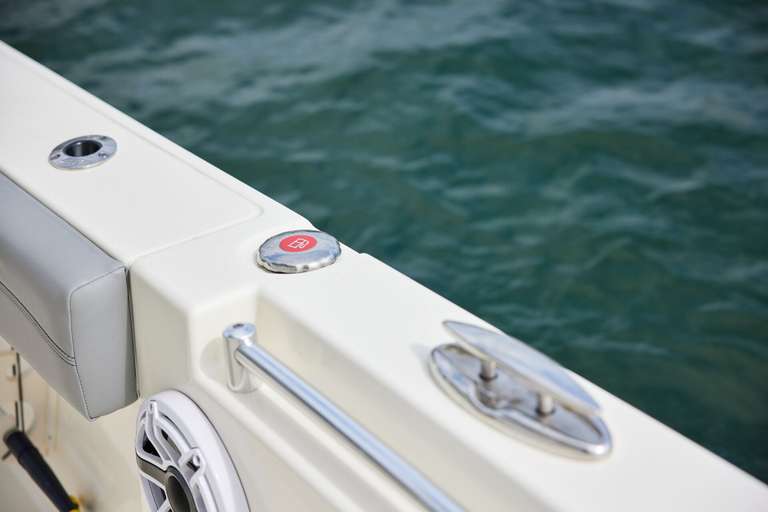
A towing attachment is also vital. You must ensure the towing point on your boat is strong and designed for towing. It should also be properly secured and regularly checked, so you know it's safe and secure when you decide to use it.
If it's been a long time since you've inspected the attachment, or you have concerns about it, hold off on towing until you thoroughly inspect it.
The Right Safety Gear Is Essential
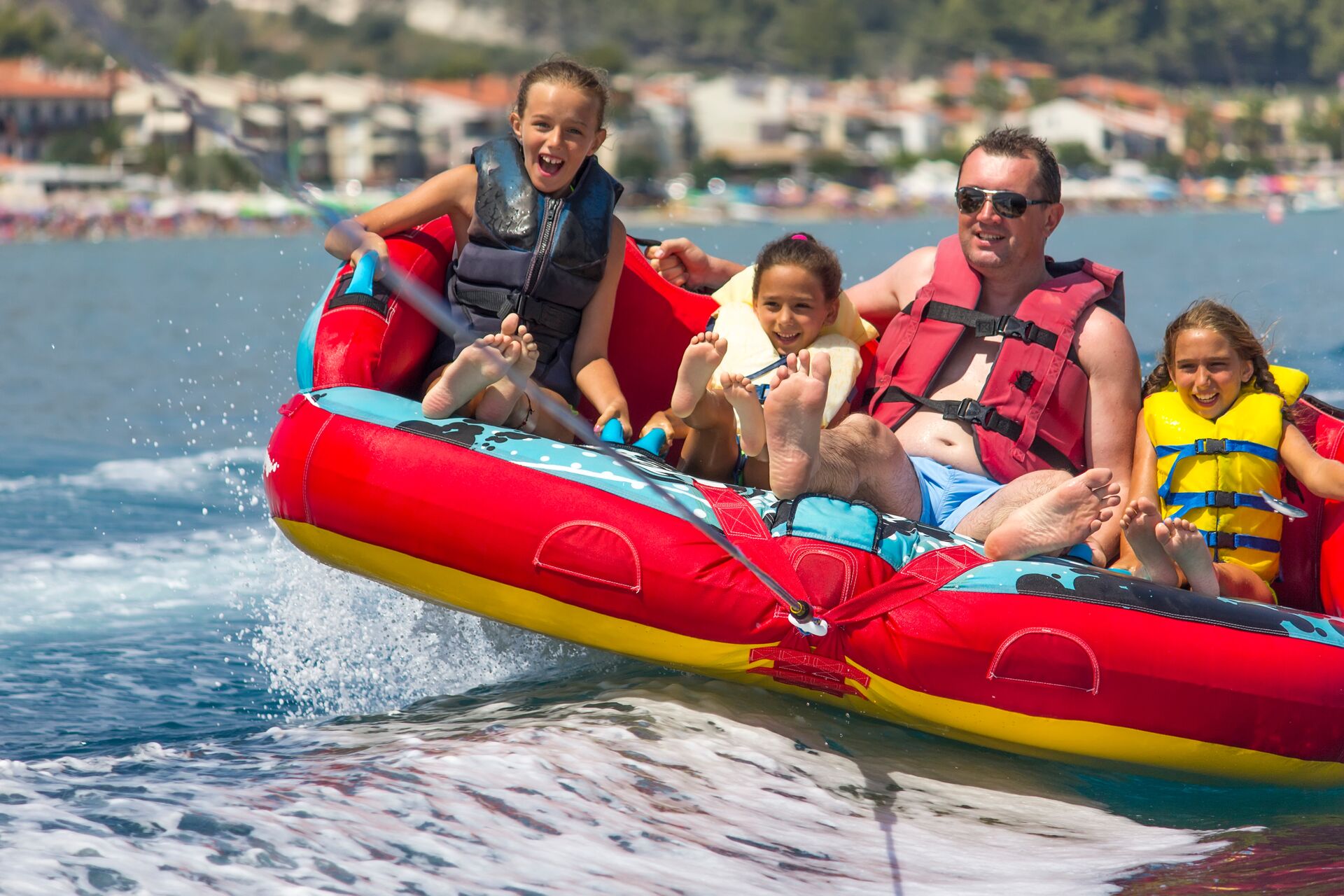
Before heading out on the water, make sure you and your passengers are prepared with the right safety gear. At a minimum, the person being towed should have the basic safety gear required by law, but it's always good to add extra protection.
Consider:
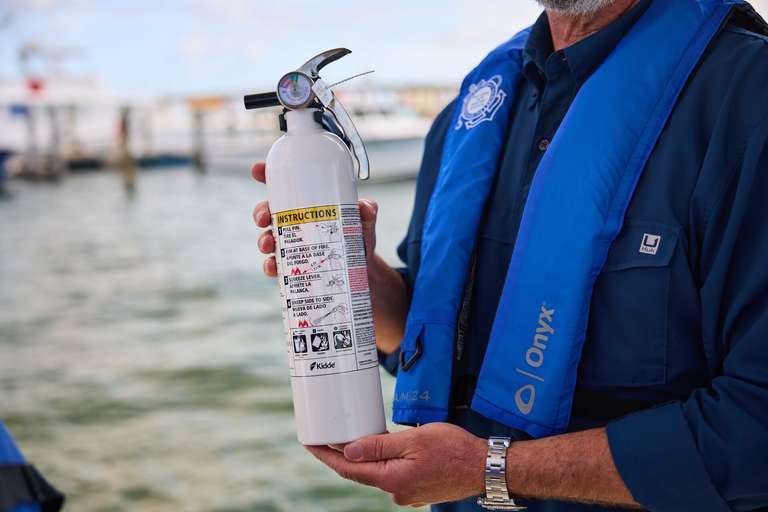
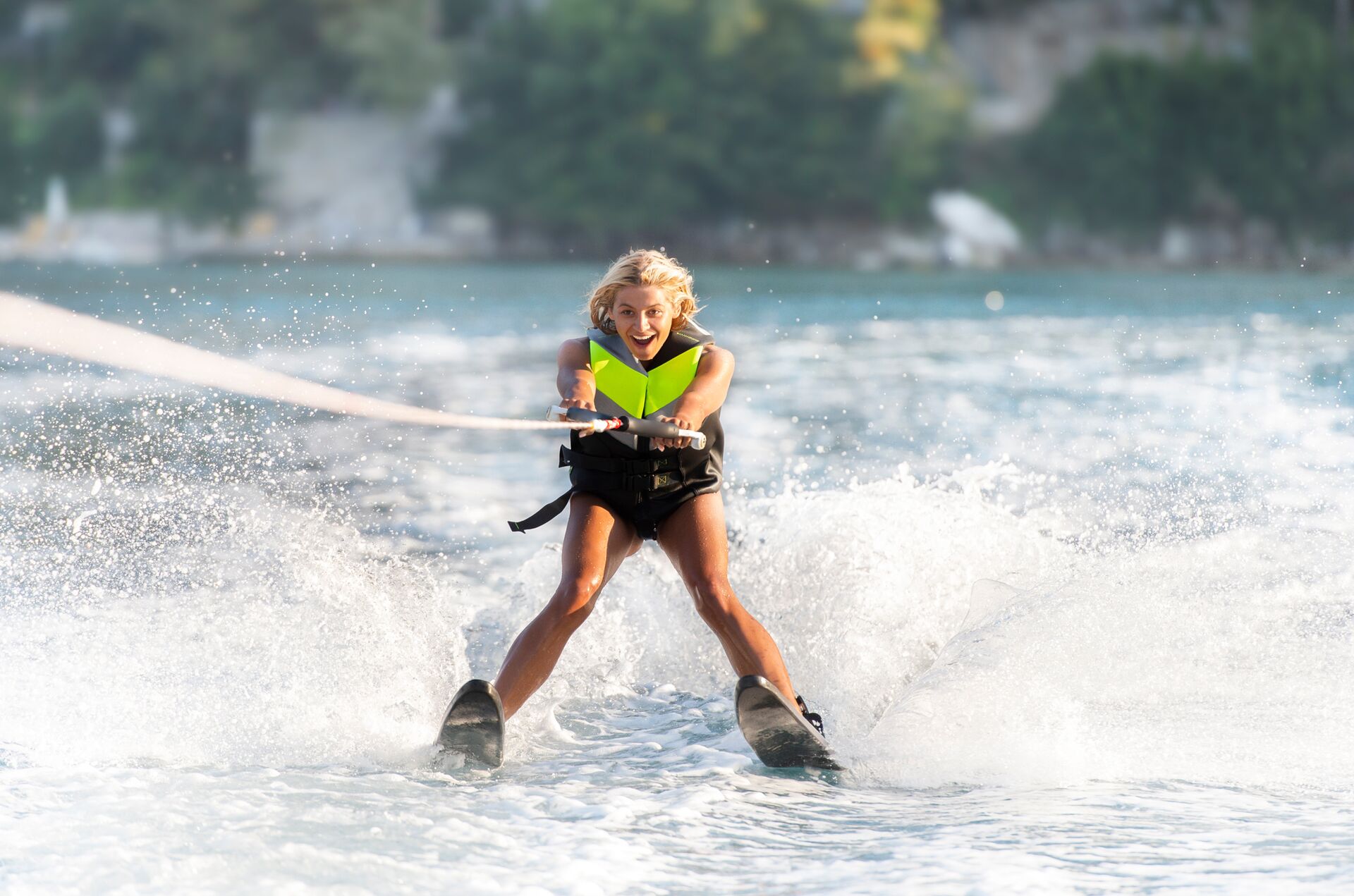
- Life Jackets: Everyone who is towed, whether a skier, wakeboarder, or tuber, must wear a properly fitted, U.S. Coast Guard-approved life jacket at all times.
- Helmets and Pads: For activities like wakeboarding or water skiing, helmets and knee or elbow pads can provide additional safety.
Many people think of water as soft and harmless, but if you're moving quickly and fall into it, coming into contact with water can feel more like striking pavement. Anyone towed behind a boat should protect themselves from the risks of striking the water if they fall from a wakeboard, tube, or skis.
Communication Is Key When Boat Towing on Water
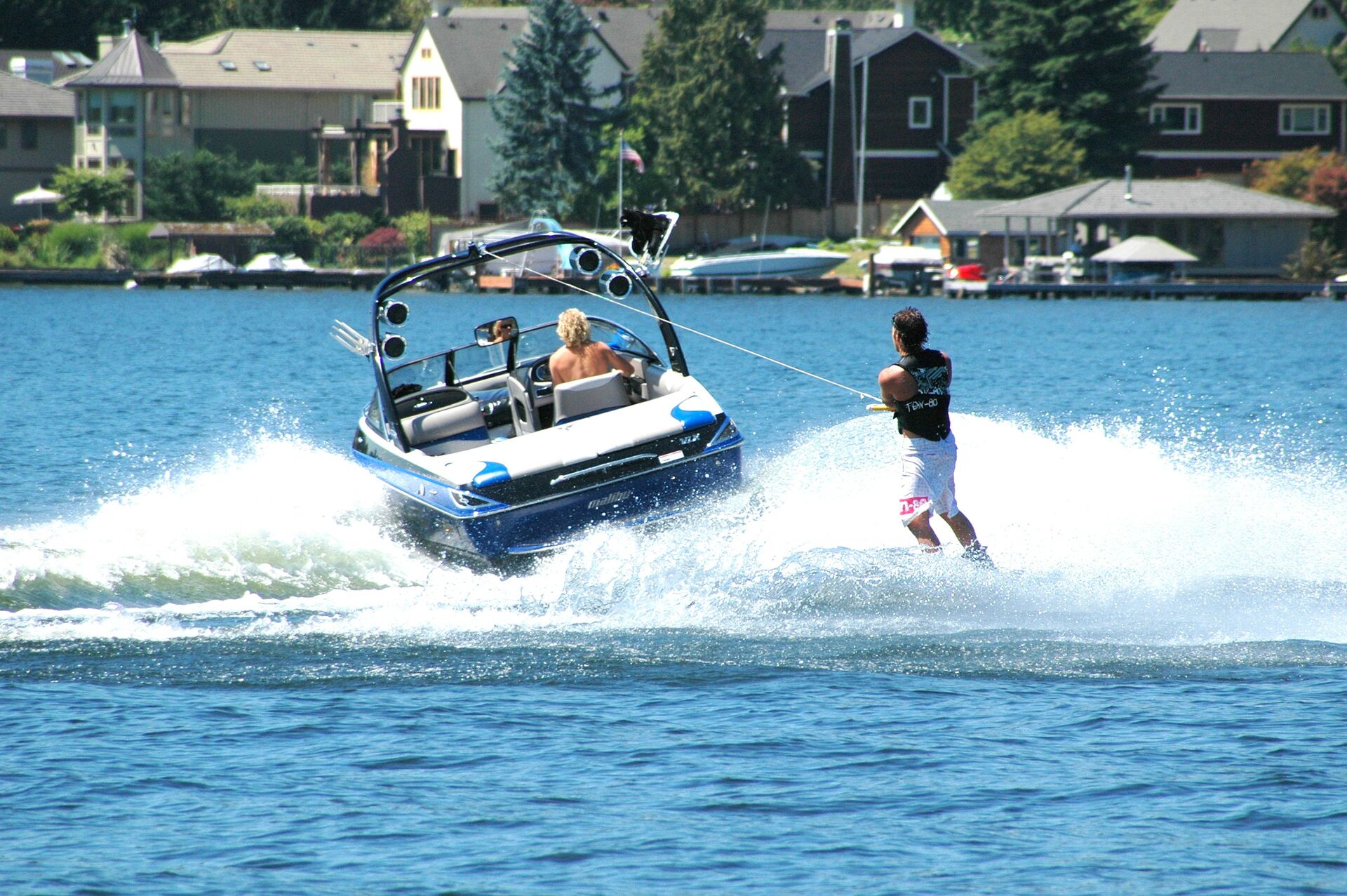
When towing someone with your vessel, you need a designated spotter in the boat. That person's job is to monitor the person you're towing and communicate with the boat's driver.
Establish and agree on clear hand signals between the person being towed and the boat operator or spotter to signal if they need to stop or need help.
Always Check the Weather and Water Conditions
Weather and water conditions can create serious problems, as strong winds and large waves can affect the towing experience. This may create danger for both the boat and the person being towed. Always check the weather forecast and be prepared to cancel or postpone the water sports if conditions aren't safe.
Additionally, ensure the water is deep enough for the activity, especially when performing tricks or high-speed maneuvers. Any tow rope water sports can be risky, but if handled safely, they can also be a lot of fun and a thrilling experience.
Stay Aware of Other Boaters
Stay out of congested areas, and don't engage in towing activities in busy or narrow waterways where it may be difficult to avoid collisions with other vessels. In addition to being careful of your location, you should also use appropriate navigation lights and sound signals to ensure other boats are aware of you and you're aware of them.
Know Your Limits (Including Speed Limits)
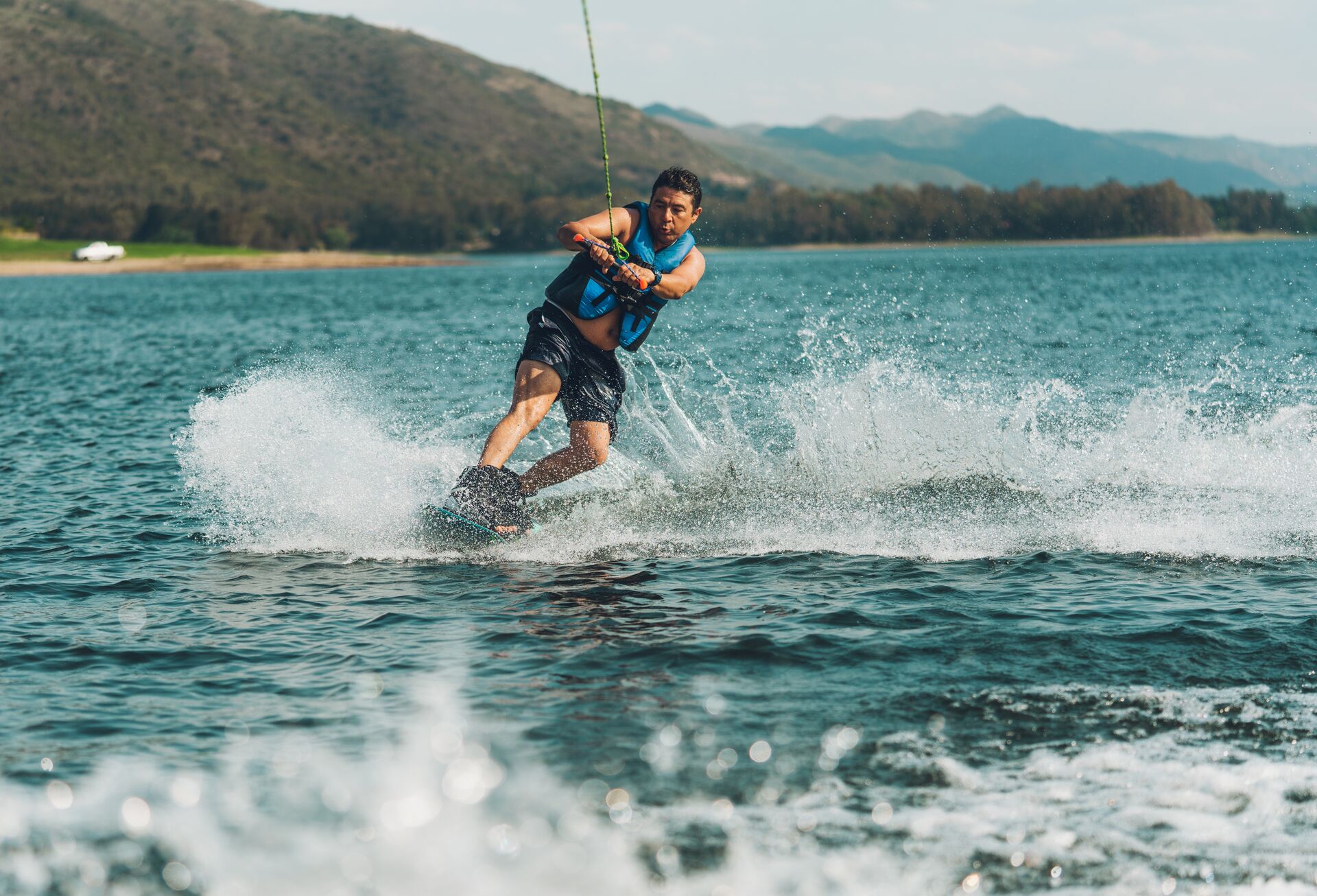
Staying within the recommended speed limits for your towing activity can increase safety. Too much speed can lead to injury or loss of control, which puts you, your vessel, the person being towed, and other people around you at risk.
The rider's skill level matters, too. Adjust the difficulty of the activity based on that level, especially if they're new to water sports. With the proper focus on safety, boat towing on water can be a great way to spend a warm, sunny day.
Practice Safe Tow Boat Operations
Always start slow and gradually increase speed once the rider is stable and ready. This helps the rider adjust to being towed and improves their comfort.
When towing a skier or other person behind your boat, you should also avoid sharp turns that could cause the rider to lose balance or fall dangerously.
Know What to Do In Case of a Fall
If the person being towed falls, slow down and approach them carefully. Make sure the boat operator understands how to safely recover them from the water to reduce the risk of injury.
Also, avoid dragging the rider. Never pull someone through the water for extended distances, as this can lead to serious injuries. Once a rider falls, you should stop the boat and get back to them as quickly and carefully as possible.
Enjoy Tow Rope Water Sports and Stay Safe with ilearntoboat
Are you ready to tow a friend or family member with your boat? Follow the tips we shared today and have fun!
Before you head out on the water, take time for an online ilearntoboat boater education course. You'll learn about general boating and water safety, navigation, the type of life jacket you need for water sports, and more! Plus, most states require boat operators to pass a course and carry a boater education card.
Protect yourself and others on the water this season! Take the course for your state, then have a safe and fun boating season.