What Are the Parts of a Boat?
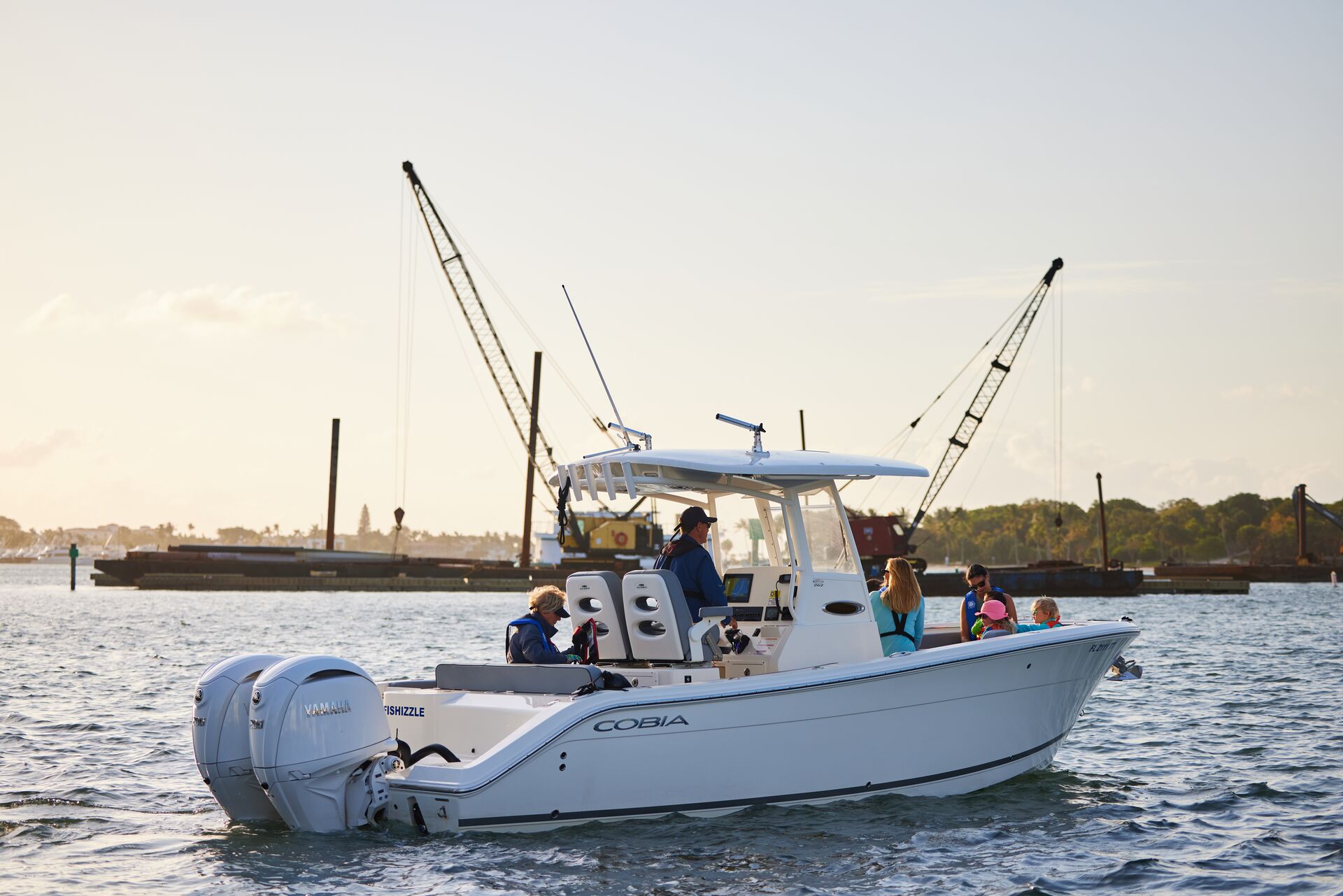
From the bow to the stern, lots of parts have to work together to move your vessel safely and avoid accidents.
Key boat parts include the hull (body), bow (front), stern (rear), port (left), and starboard (right). Essential functional parts include the helm (steering console), propeller (propulsion), transom (motor mount), gunwales (upper edges), and cleats (rope fastenings). These components ensure stability, steering, and safety on the water.
You don't need to know about every nut and bolt—but let's talk more about twelve parts of a boat every boater should know.
Updated March 3, 2026
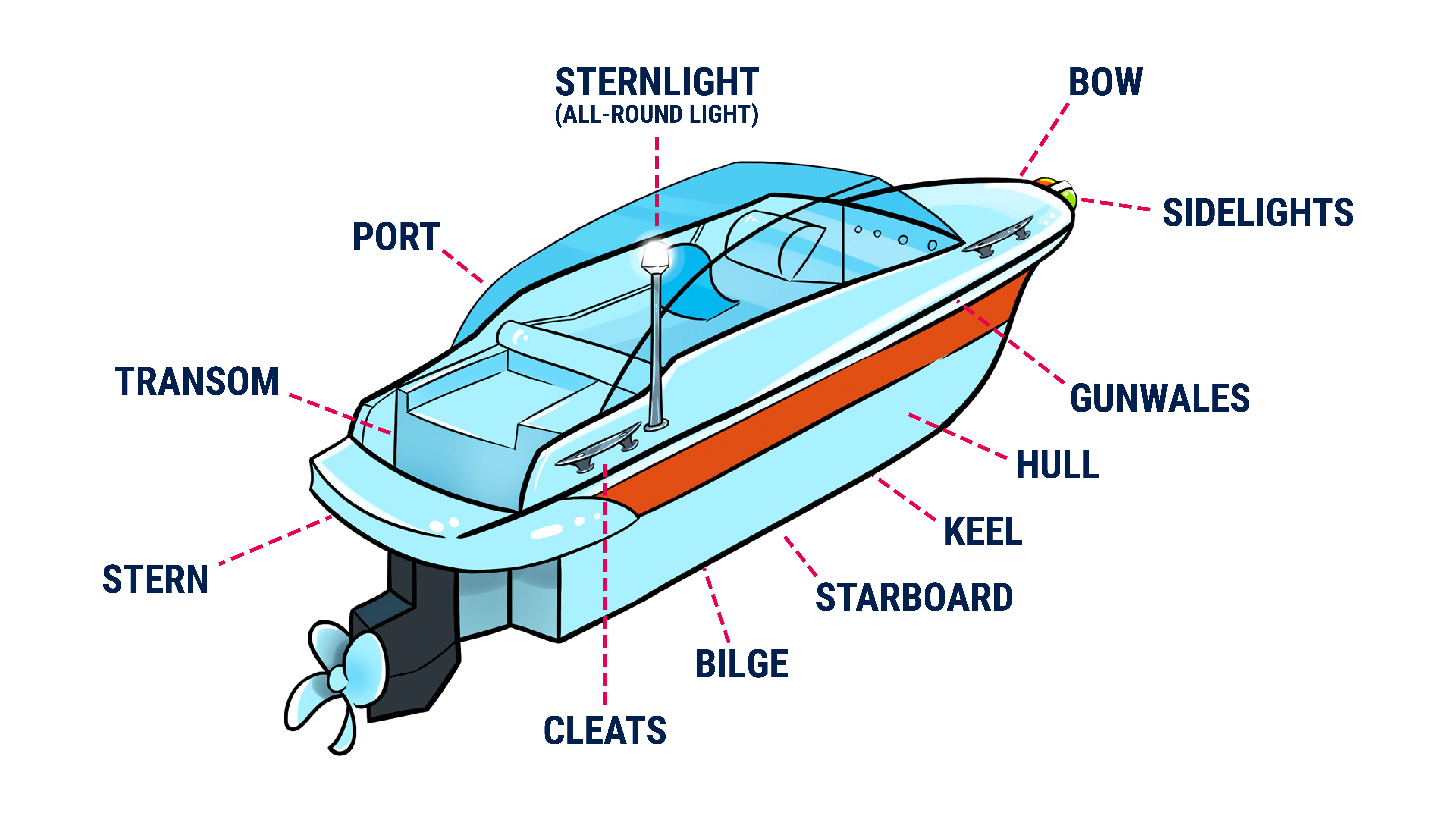
12 Parts of a Boat You Should Know
What are the parts of a boat every boat operator should know? From a pontoon boat to a yacht, boats have common parts. Let's review the body of a boat to familiarize ourselves with the terminology.
- Bilge: A compartment at the lowest point of a boat's hull.
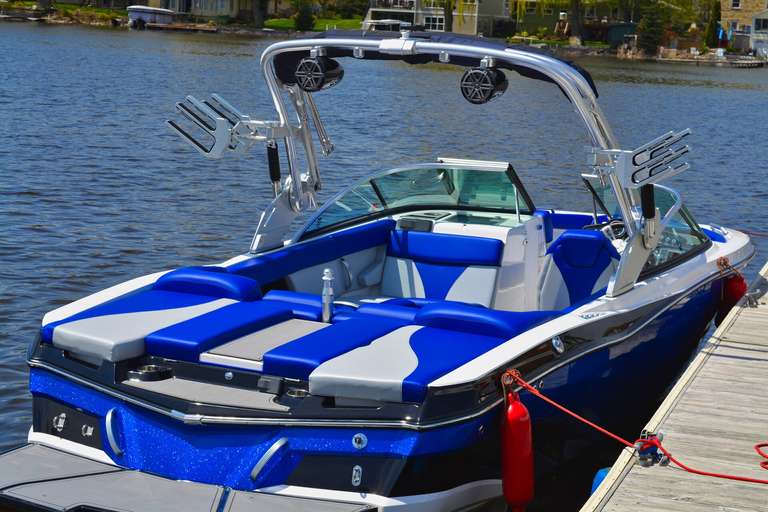
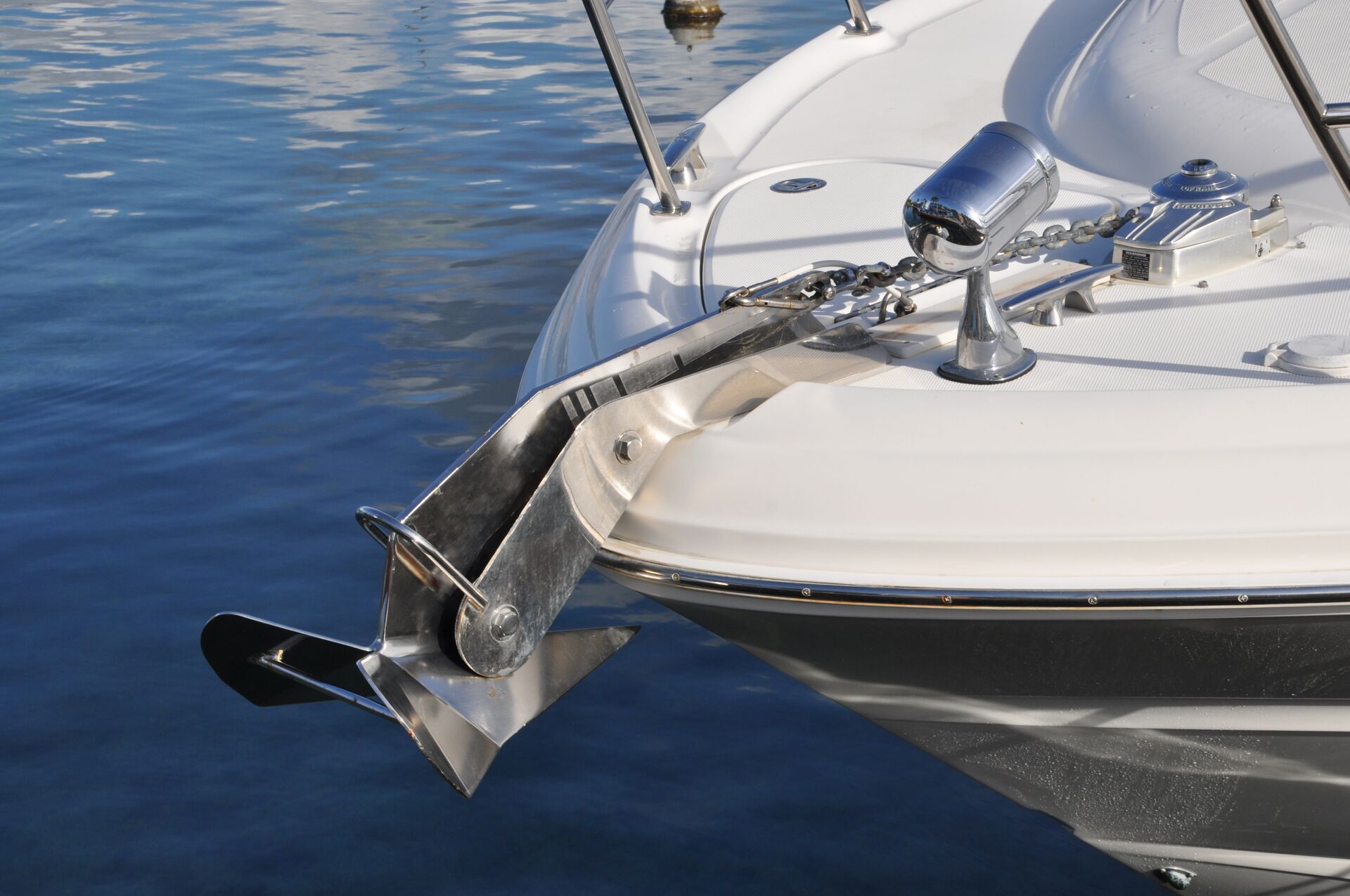
- Bow: The front of a boat is called the bow.
- Cleats: The metal fittings that secure ropes to the vessel are called cleats.
- Gunwales: The upper edges of the boat's hull that provide extra rigidity for the hull are called the gunwales.
- Hull: The body of the boat is called the hull.
- Keel: The structural backbone of a ship that runs along the bottom of the hull is called the keel.
- Port: When standing at the stern of the boat and looking to the bow, the side of the boat to your left is called the port side.
- Sidelights: The red and green lights affixed to the bow of the boat are called sidelights.
- Starboard: When standing at the stern of the boat and looking to the bow, the side of the boat to your right is called the starboard side.
- Stern: The back of the boat is called the stern.
- Sternlight (all-round light): The light affixed to the stern of a boat that shines 135 degrees is called a sternlight.
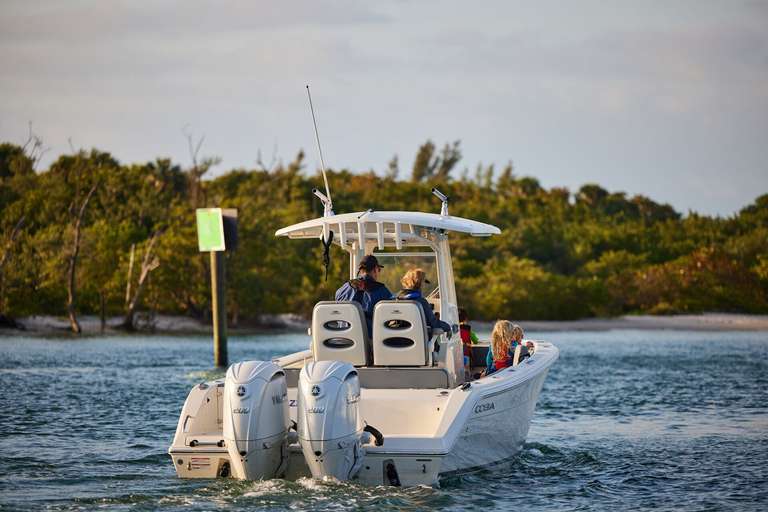
- Transom: The vertical section at the stern that houses the boat's motor is called the transom.
These critical parts must be in good working order to help your boat move safely when on the water. Understanding what each part does helps you become a safer boater.

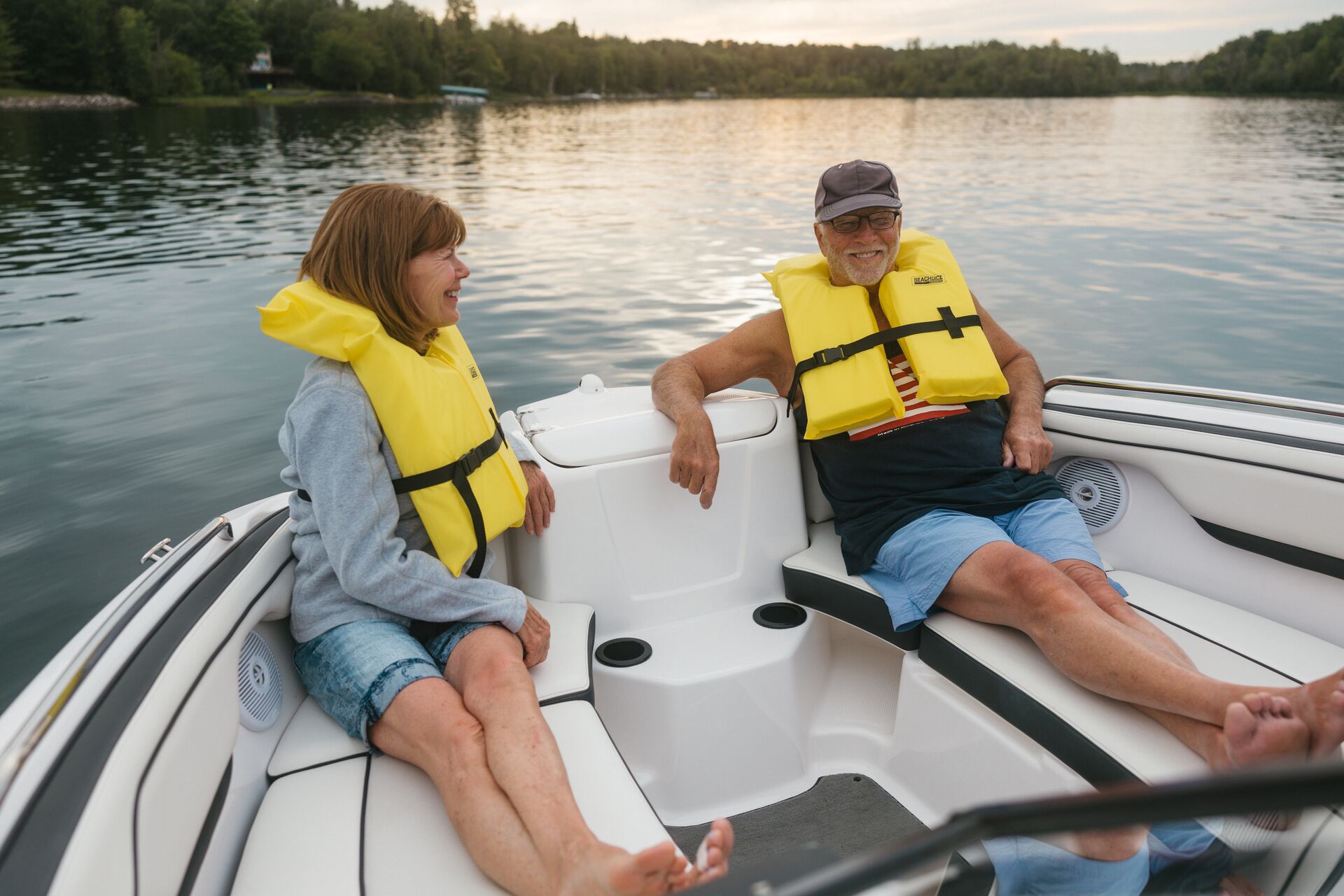
Why It's Important to Know the Parts of a Boat
Knowing the parts of a boat (and how they work) isn’t just trivia for salty sea captains. It’s practical, safety-level important.
Good Communication
First, knowing the anatomy of a boat helps with good communication.
On the water, things move fast, and space can get tight. If someone yells “Go to the bow!” or “Fenders on the starboard side!” you need to react instantly. Using the correct terms avoids confusion, especially in emergencies.
“Left” and “right” can get mixed up under stress, while “port” and “starboard” don’t.
Safety
If steering feels off, knowing how the rudder works helps you troubleshoot. If the wind shifts, understanding how the mast and sails interact keeps you in control instead of drifting into trouble.
Efficiency and Performance
Boats are systems. The hull affects stability and speed. Weight distribution across the deck changes the balance. The bow cuts through waves differently than the stern rides them.
When you understand how these parts work together, you handle the boat more smoothly, and everything feels less chaotic.
Confidence on the Water
The water can feel intimidating at first. But once you understand the boat’s structure and purpose, it stops being a mysterious floating object and starts feeling like a tool you know how to use.
That shift—from guessing to knowing—makes all the difference.
Basically, the more you understand your boat, the safer, smoother, and more enjoyable your time on the water becomes.
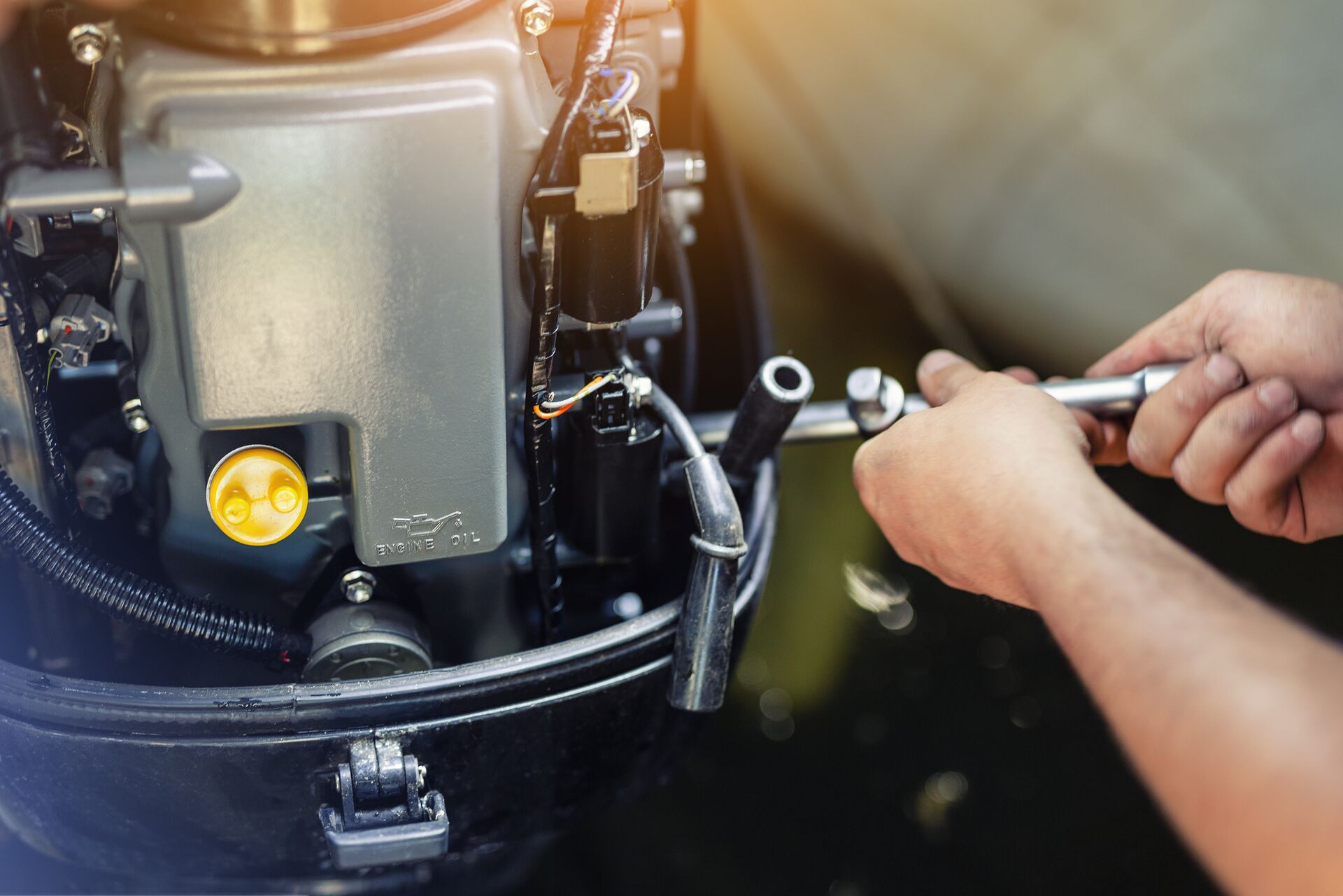
Practice Good Boat Maintenance for Boat Parts
The parts of a boat can fail if they're not well-maintained.
Boat owners must keep up with routine maintenance and fix parts that break to keep boats in good working order. Whether you do your own maintenance or hire someone to do it for you, keeping yourself and others safe on the water requires a commitment to inspecting boat parts and ensuring they work well.
Don't take your boat out if it's been a while since you inspected the hull or bow or the other parts we've mentioned today. Damaged or deteriorated parts can lead to boating accidents or becoming stranded away from shore.

Learn More About Boats and Safety with a Boater Education Course
Knowing the port side from the starboard side and other parts of a boat is a rite of passage for good boat operators. We hope this list helps!
In addition to knowing how your boat works and where the stern is, you also need to know how to stay safe when driving it! ilearntoboat offers fun, online boating education courses that make learning simple and fast.
When you choose the course for your state, you'll learn the boating safety essentials your state requires of boat operators. You'll also enjoy the gamified experience that most people can complete in about three hours.
Remember: most states require boat operators to pass a boater education course! Make sure you've met the requirements for your state before hitting the water this season.

Content most recently reviewed and updated March 3, 2026.
Frequently Asked Questions (FAQs)
We have answers to common questions about the anatomy of a boat!
Q: Why do sailors yell “starboard”?
A: Sailors yell “starboard!” to quickly warn the crew that the boat is turning right or that something important is happening on the right side. On the water, fast, clear communication matters, especially when maneuvering in tight spaces or avoiding another vessel.
Q: What does “starboard” mean in boating?
A: “Starboard” refers to the right side of a boat when you’re facing forward toward the front (the bow). It’s the nautical term for “right,” just like “port” means the left side.
Q: What is the front part of a boat called?
A: The front part of a boat is called the bow. The back is called the stern.
Q: What are the 4 sides of a boat called?
A: The four basic directional sides are the bow (the front), the stern (the back), port (the left side when facing forward, and starboard (the right side when facing forward.
Q: What are the 10 parts of a ship?
A: Here are 10 common major parts of a ship: bow (front), stern (back), port (left side), starboard (right side), hull (main body of the ship), deck (the floor surface), bridge (where the ship is controlled), mast (vertical pole for sails or equipment), keel (structural spine along the bottom), and rudder (steering device at the back). Different types of ships may have additional specialized parts, but these are the core ones.
Q: What is the pointy thing on the front of a boat called?
A: The pointy front of a boat is called the bow. However, if you mean the sharp projection below the waterline on large ships, that’s called a bulbous bow. It helps reduce drag and improve fuel efficiency.
Q: What part of a boat is the stern?
A: The stern is the back (rear) of a boat. It’s the opposite of the bow (the front) and is typically where you’ll find parts like the rudder or engine on many vessels.